 English
 中文简体
中文简体 русский
 عربى
عربى Español
Choosing upholstery fabric for a sofa project is rarely based on appearance alone. Residential furniture, hospitality seating, and commercial sofas can face very different levels of use, cleaning, and environmental exposure. For overseas buyers, selecting the right Print Fabric therefore requires a clear understanding of the finished application, while a capable Sofa Fabric Factory should be able to provide material options that match the project's practical requirements.
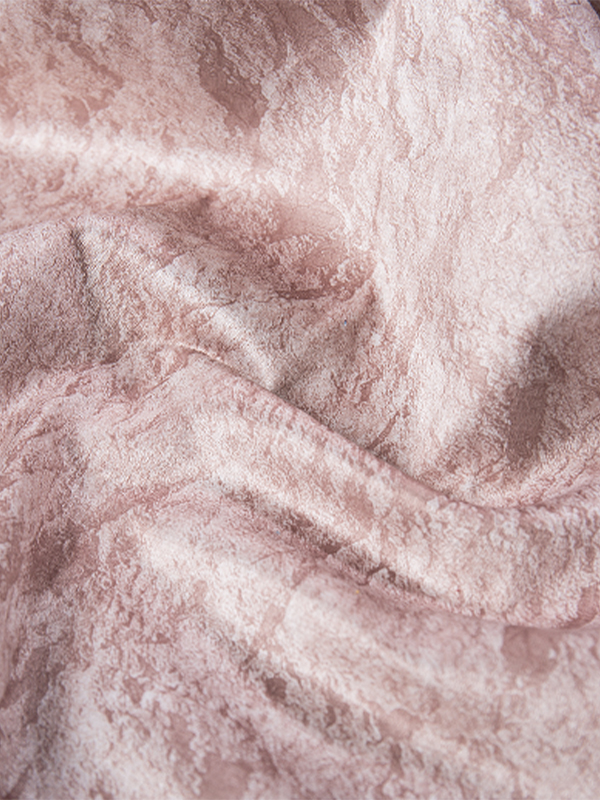
Residential Sofas Require a Balance of Comfort and Durability
Home sofas are often expected to provide a comfortable hand feel while maintaining a visually appealing surface. Families may also expose upholstery to food spills, pets, children, and regular cleaning. For this market, buyers can evaluate fabric construction, abrasion resistance, pilling behavior, colorfastness, and cleanability together rather than focusing on appearance alone.
Hospitality Furniture Faces More Frequent Use
Sofas used in hotels, lounges, restaurants, and reception areas generally experience more frequent contact than typical residential furniture. Printed upholstery must maintain a consistent appearance while handling repeated use and routine maintenance. Buyers should therefore confirm whether the selected fabric is appropriate for the expected traffic level and cleaning requirements before approving a collection.
Commercial Seating Needs Practical Specifications
Office reception areas, waiting rooms, showrooms, and other commercial environments may require a different combination of properties. Easy maintenance, surface stability, color consistency, and resistance to everyday wear can become important purchasing criteria. A decorative Print Fabric may be visually suitable, but its technical characteristics should still correspond with the intended commercial application.
Match Fabric Construction With Sofa Design
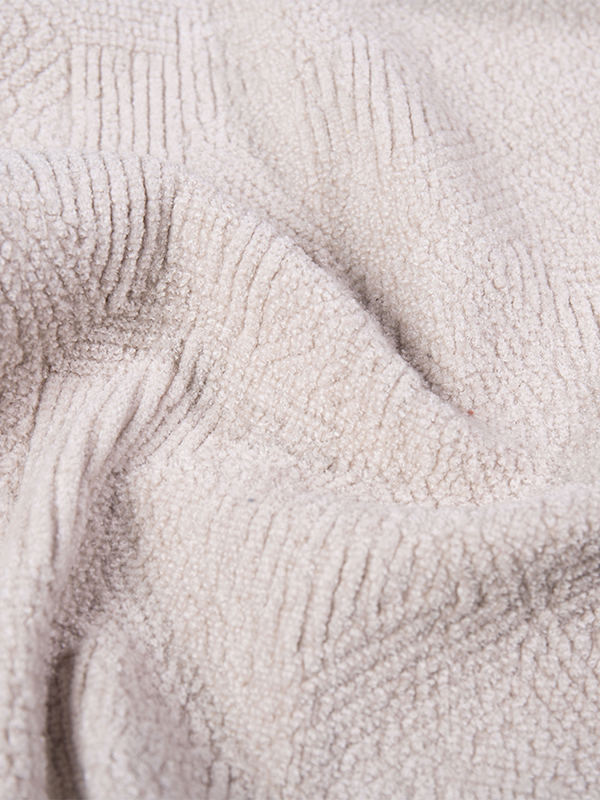
The physical structure of a sofa can also influence fabric selection. Loose cushions, tightly upholstered panels, curved arms, and modular components place different demands on the material. A fabric with a visible texture or directional pattern may create a different visual effect when applied over curved surfaces. Reviewing the fabric together with the furniture construction can help avoid unexpected results during upholstery.
Cleaning Requirements Should Be Discussed Early
Different projects have different maintenance routines. A residential sofa may require occasional spot cleaning, while hospitality or commercial furniture can face more frequent maintenance. Buyers should understand the supplier's recommended cleaning method and confirm that it is compatible with the fabric and intended application. Clear maintenance requirements also make it easier for furniture brands to prepare product-care information.
Color Selection Depends on the Project Environment
Current furniture trends are showing continued interest in warmer, grounded palettes and tactile upholstery, while designers are also exploring more distinctive patterns and textures. For printed sofa collections, color should therefore be considered alongside room lighting, furniture shape, surrounding materials, and expected product lifecycle. A pattern that works well in a residential collection may not necessarily suit a hotel or office environment.
Prepare an Application-Based Fabric Specification
Before requesting samples from suppliers, procurement teams can organize their requirements around the actual project:
- Furniture type and expected usage frequency
- Indoor environment and potential exposure
- Cleaning and maintenance expectations
- Required abrasion and pilling performance
- Pattern direction and upholstery construction
- Target color range and design style
This information gives suppliers a clearer technical brief and makes sample comparisons more meaningful.
Choose a Sofa Fabric Factory With Application Experience
The right supplier should understand that fabric selection is closely connected with furniture design and end use. Working with a Sofa Fabric Factory that can discuss construction, printing, surface performance, and customization allows buyers to evaluate Print Fabric from both design and production perspectives. This application-based approach can make material selection more efficient and reduce the risk of choosing a fabric that looks suitable in a sample but does not fit the demands of the finished sofa.