 English
 中文简体
中文简体 русский
 عربى
عربى Español
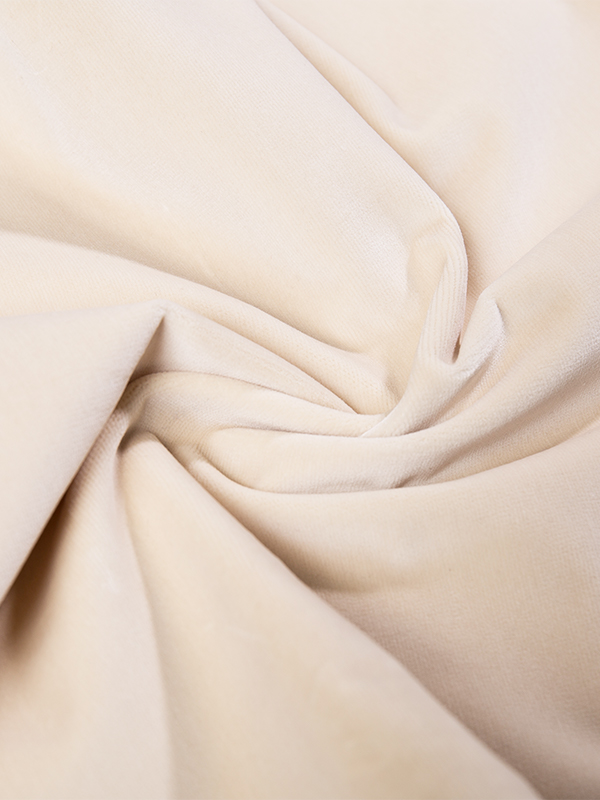
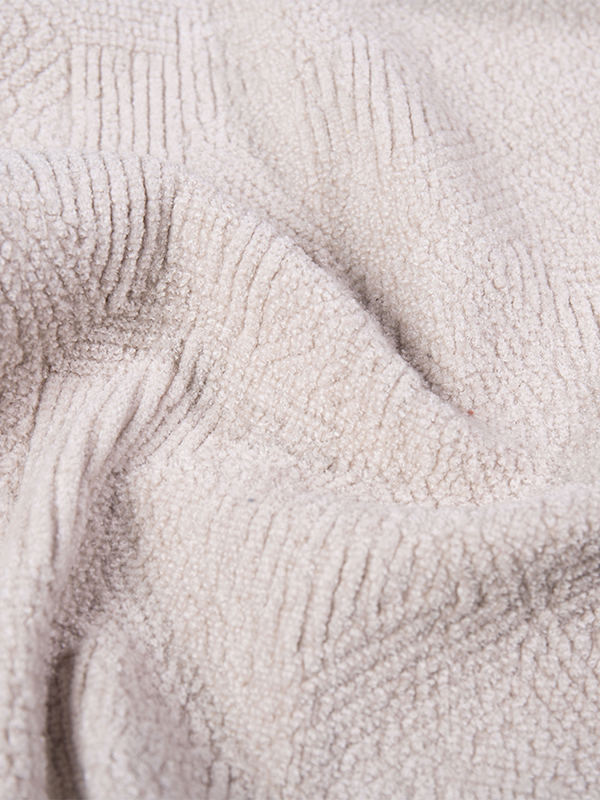
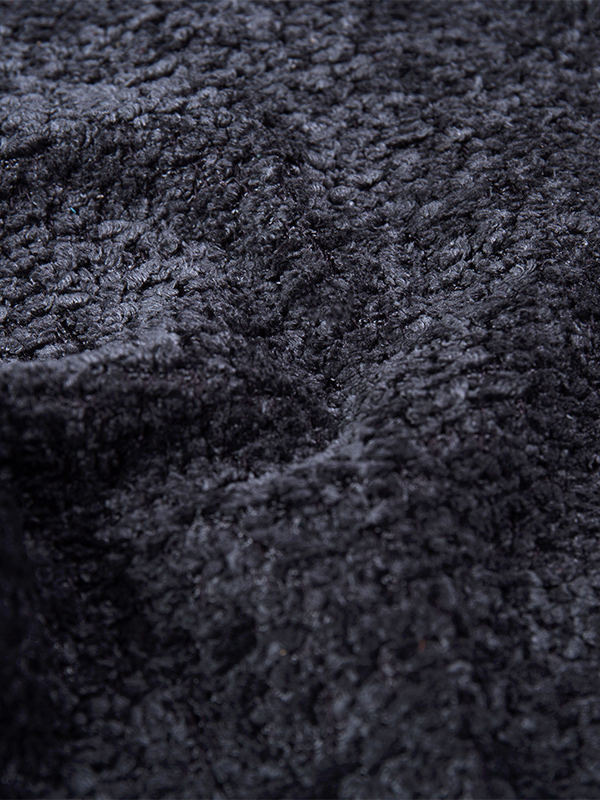
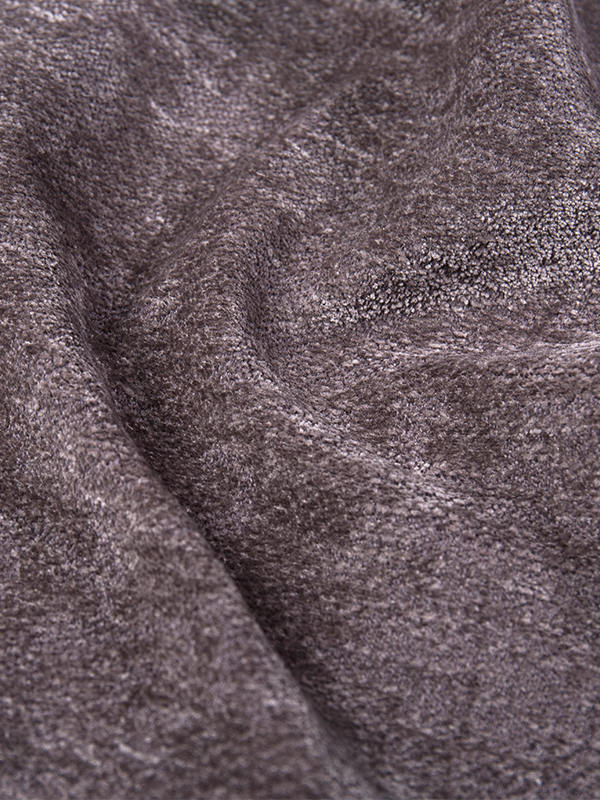
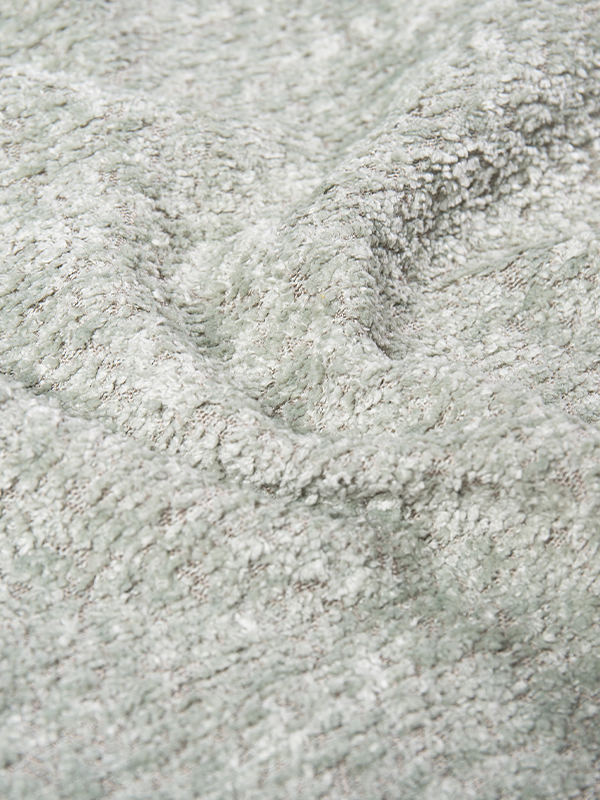
A sofa may look simple after assembly, but the fabric covering it can involve several details that affect the finished appearance. Velour Fabric is particularly sensitive to viewing direction because its surface can create different visual effects under changing light and angles. For furniture buyers ordering fabric in volume, the challenge is not only finding an attractive color but also keeping the approved appearance consistent from sample development through bulk production. A clear communication and inspection process can make this easier for both the buyer and manufacturer.

Approve the Surface Before Discussing Bulk Quantity
A small fabric sample should provide more than a reference for color. Buyers should also examine the surface texture, softness, pile appearance, and overall visual effect. Running a hand across the fabric can reveal differences that may not be obvious in photographs.
When reviewing a sample, procurement teams can compare:
- Surface direction and visual depth
- Hand feel
- Pile uniformity
- Color under different viewing angles
- Fabric construction
- Overall appearance after handling
Once the sample is approved, it should become a clear physical reference for subsequent production.
Understand Why Viewing Direction Matters
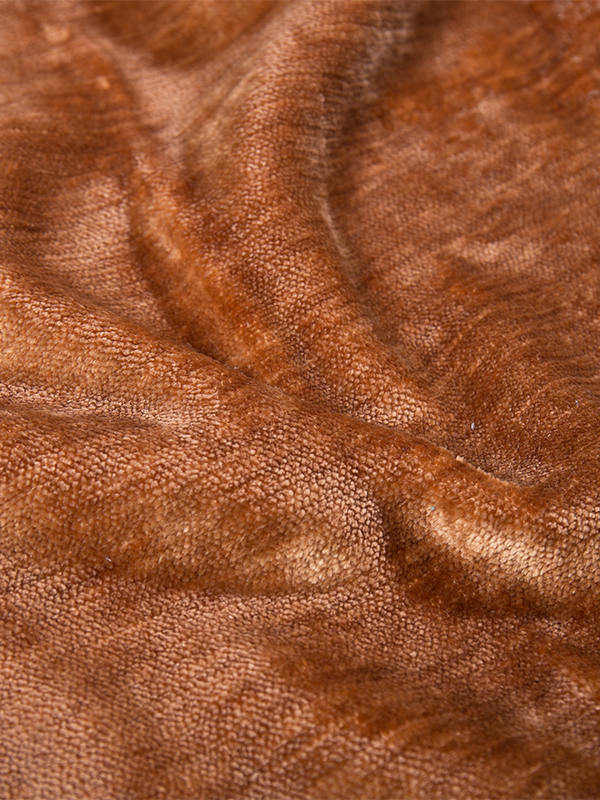
Unlike flat woven surfaces, velour-style fabrics can produce different shades depending on how the surface fibers reflect light. This does not necessarily mean the fabric has changed color. The perceived shade may simply change when the surface is brushed in a different direction.
This characteristic becomes important when large sofa panels are cut and assembled. If fabric pieces are positioned inconsistently, different sections of the same sofa may appear slightly different.
For this reason, manufacturers need to consider surface direction during cutting and upholstery rather than treating the fabric as visually identical from every angle.
Keep Color References Clearly Defined
Color names alone are often not enough for repeat production. A buyer may describe a fabric as beige, gray, green, or another general shade, while the actual requirement depends on the approved physical sample.
A more practical process is to establish one confirmed color reference before bulk production. The manufacturer can then use this reference when preparing later fabric batches.
For repeat orders, the purchasing record should retain the relevant fabric specification and approved sample information. This creates a clearer connection between the original development project and future production.
Check Fabric in a Larger Application
A small sample cannot always show how a fabric will look on a complete sofa. Once the material covers a larger surface, pile direction, light reflection, seams, curves, and cushion positioning can all influence the final appearance.
When developing a new sofa collection, buyers can therefore request a larger sample or evaluate the material on a representative upholstery section when the project requires closer visual control.
This is especially useful when the fabric itself is an important part of the product design.
Control Batch Differences During Production
Bulk fabric production should follow the approved specification rather than relying on memory or general color descriptions. From a manufacturing standpoint, production records help maintain continuity between approved samples and later orders.
Useful control points may include:
- Confirming the fabric specification before production
- Checking color against the approved reference
- Inspecting surface consistency
- Separating different batches when necessary
- Recording production information for repeat orders
These steps can reduce confusion when several colors or fabric specifications are being produced for the same furniture buyer.
Match Fabric Direction With Upholstery Work
The fabric is only one part of the finished result. Cutting and upholstery also influence how velour appears on the sofa. Cushion covers, armrests, backrests, and large body panels may need consistent surface direction to create a more uniform appearance.
Buyers should therefore communicate the intended upholstery application to the fabric manufacturer as early as possible. If the manufacturer understands how the material will be used, fabric development and production can be discussed around the finished furniture rather than only around the textile itself.
Make the Approved Sample the Long-Term Reference
For overseas furniture buyers, a consistent reference becomes especially valuable when orders are repeated months later. Product names and color descriptions may not fully communicate the original requirement, while an approved physical sample provides a more direct basis for comparison.
A Sofa Fabric Factory should be able to connect the approved sample with the relevant production specification, allowing future orders to follow the same defined reference.
For buyers, choosing Velour Fabric is therefore not only about finding a soft and visually attractive surface. Color, pile direction, batch consistency, upholstery application, and sample control all influence the final sofa. By establishing these requirements before bulk production, a Sofa Fabric Factory can work from a clearer manufacturing reference and help furniture buyers maintain a more consistent finished product across different orders.