 English
 中文简体
 русский
 عربى
 Español

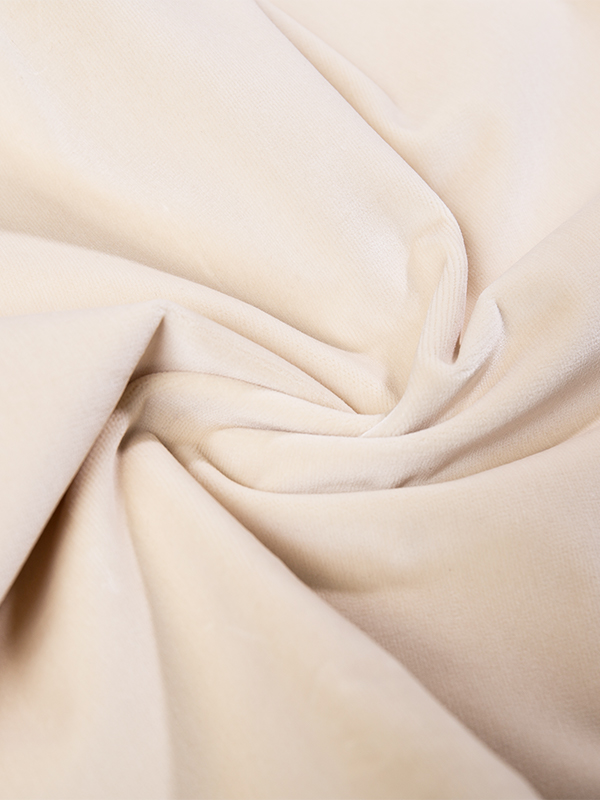
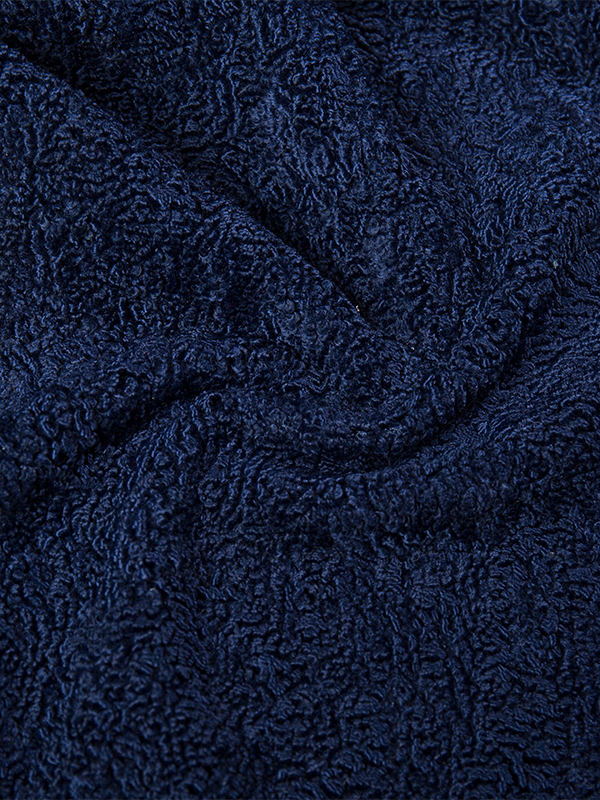
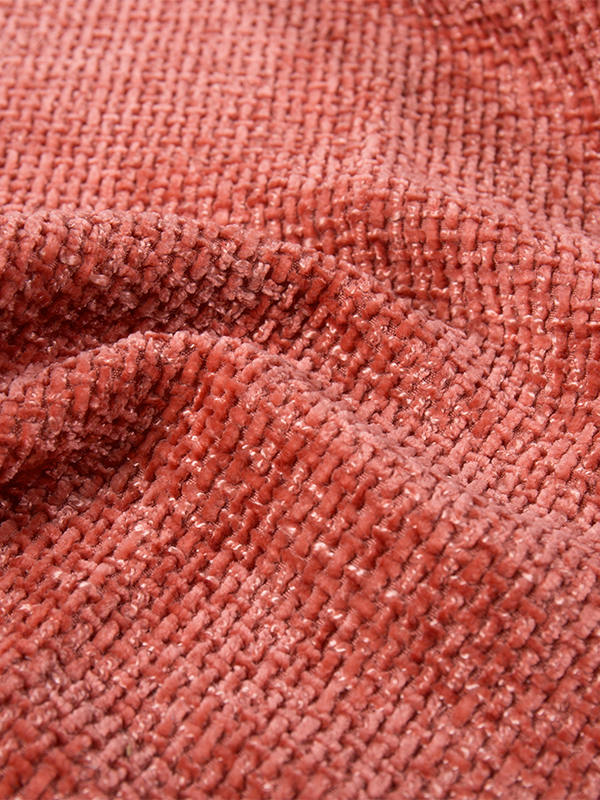
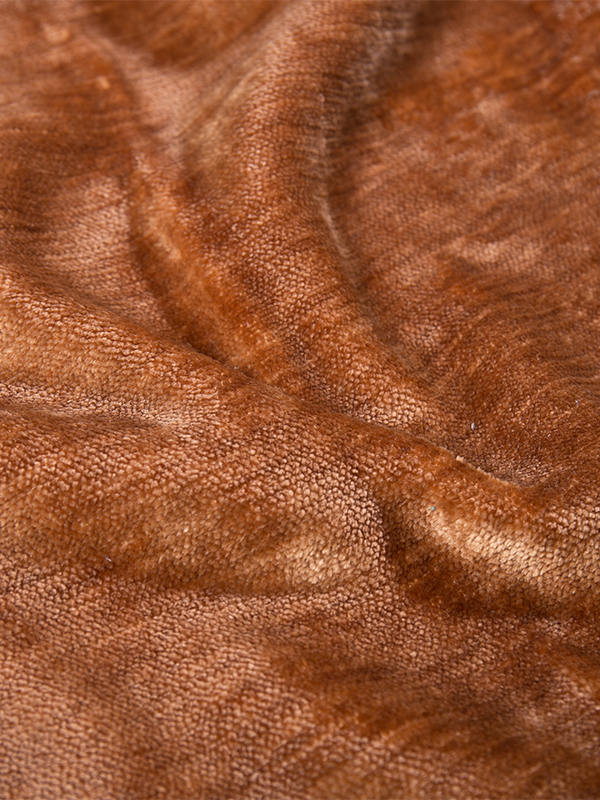
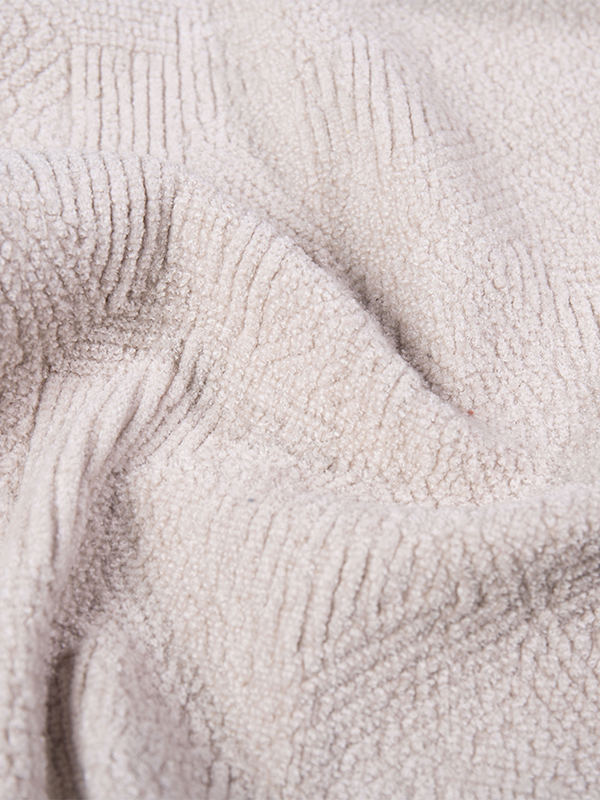
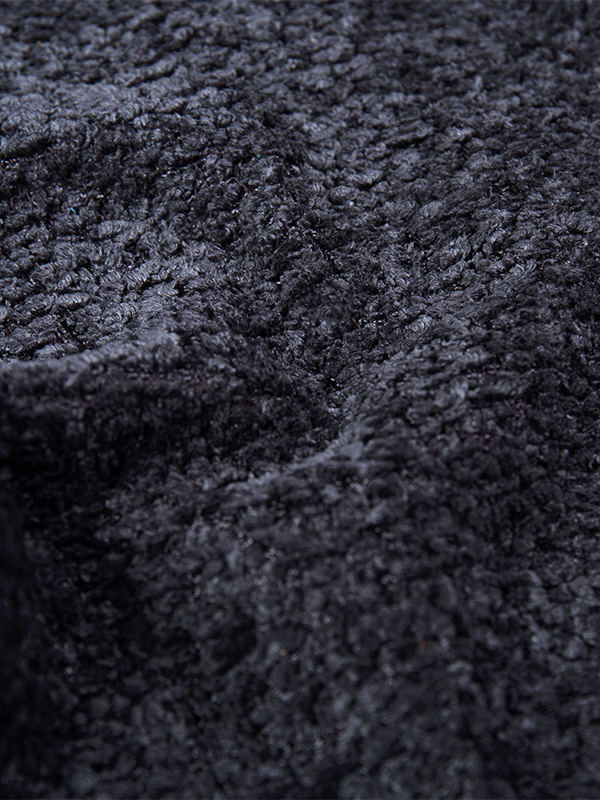
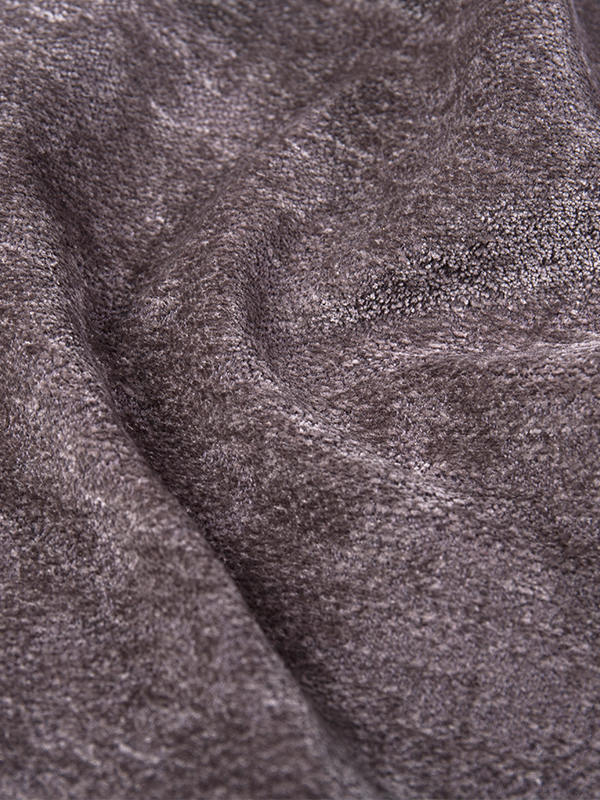
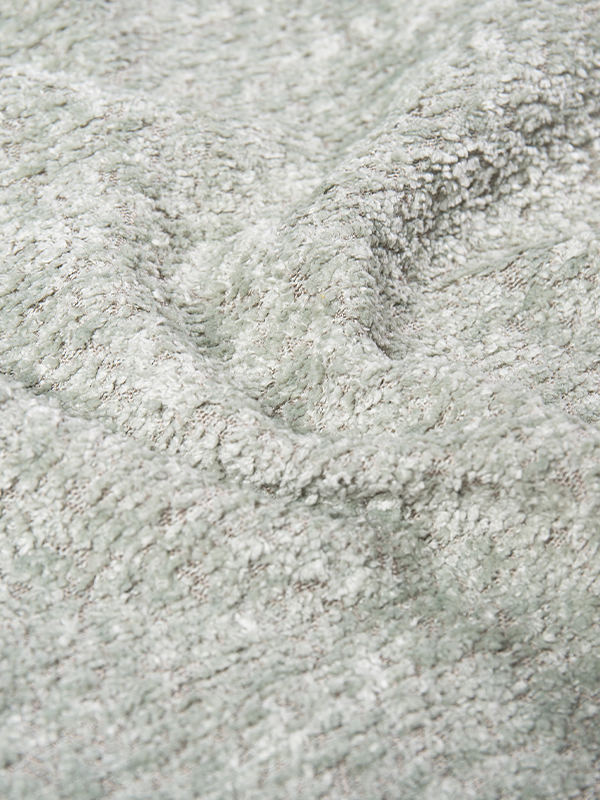
Choosing upholstery fabric from a color card is easy; choosing a material that works smoothly throughout sofa production requires a closer look. Velour Fabric can bring softness, visual depth, and a distinctive surface to upholstered furniture, but its suitability depends on more than appearance. Overseas furniture buyers need to consider how the fabric behaves during cutting, sewing, stretching, and upholstery, as well as how the finished surface looks on different parts of a sofa. For manufacturers, evaluating these details at the sampling stage can prevent unnecessary changes after bulk production begins.

Start With the Finished Sofa in Mind
Fabric should be evaluated according to the final furniture design rather than as an isolated textile. A sofa with large flat panels presents different requirements from one with curved arms, deep cushions, decorative seams, or multiple upholstery sections.
Before selecting a material, buyers should provide basic information about the intended product, including the sofa structure, major upholstered areas, and expected visual effect. This allows the manufacturer to consider whether the fabric construction and surface characteristics fit the actual application.
Check How the Fabric Handles During Cutting
Cutting is one of the points where the characteristics of a fabric become practical production issues. With a fabric featuring a visible surface direction, the orientation of each cut piece can influence the appearance of the finished sofa.
A manufacturer should establish a consistent cutting direction for relevant components and avoid treating every fabric piece as interchangeable. This becomes particularly important for cushions, backrests, armrests, and large body panels where differences in surface direction can be easily noticed.
Clear cutting instructions can also make production easier when several workers or production lines are involved.
Pay Attention to Sewing and Seam Areas
A sofa contains numerous seams, corners, curves, and connection points. Fabric that looks attractive as a flat sample still needs to produce a clean appearance after these areas are sewn and assembled.
During sample development, manufacturers can inspect:
- Seam appearance
- Fabric alignment
- Edge handling
- Behavior around corners
- Appearance after stitching
- Consistency between connected panels
This type of evaluation gives buyers a better understanding of how the textile will behave as part of an actual upholstered product.
Evaluate Stretch and Upholstery Tension
Different sofa structures require different levels of fabric handling during upholstery. When fabric is pulled around curves or fitted over cushions, excessive or uneven tension can affect the final appearance.
The manufacturer should evaluate the material together with the intended upholstery structure. Rather than judging the textile only by its hand feel, the sampling process can include representative sections of the sofa.
This approach helps identify potential issues before the material is purchased for a larger production run.
Look at the Fabric From Different Angles
Velour has a surface that can interact noticeably with light. The same piece may appear different when viewed from different directions, particularly after the surface has been brushed or pressed during handling.
For sofa projects, buyers should examine samples from several angles and, when possible, under the type of lighting used in the intended sales or interior environment. This provides a more realistic impression of the finished furniture than a single photograph.
It is also useful to inspect the fabric after folding, handling, and upholstery simulation.
Connect Material Selection With Maintenance
The finished sofa will need to be handled and maintained after delivery. Buyers should therefore understand the recommended care method for the selected fabric before confirming a bulk order.
The manufacturer can provide product-specific care information based on the actual fabric construction. This is more useful than applying a general cleaning assumption to every velour-style material.
For furniture brands and distributors, having clear care information also makes product preparation easier before the sofa reaches the market.
Establish a Practical Sample Approval Process
A good sample approval process should cover both textile properties and finished furniture performance. Instead of approving fabric only from a small swatch, buyers can evaluate the material at several stages.
The process may include:
- Initial fabric sample review
- Color and surface confirmation
- Upholstery trial
- Sewing and seam inspection
- Finished appearance review
- Final sample approval
Once the sample is approved, its fabric specification and production requirements can become the reference for subsequent orders.
Work With a Manufacturer That Understands the Full Application
For sofa buyers, fabric selection becomes easier when textile development and furniture requirements are discussed together. A Sofa Fabric Factory can evaluate the material from the manufacturing side, including fabric construction, surface characteristics, cutting direction, and how the finished textile is expected to perform during upholstery.
The right Velour Fabric should therefore be selected according to the complete production process, not simply its appearance in a sample book. When buyers and manufacturers evaluate cutting, sewing, upholstery, surface direction, and maintenance requirements before bulk production, the selected material has a clearer connection to the finished sofa. This gives a Sofa Fabric Factory a practical basis for producing fabric that fits the buyer’s actual furniture project.