 English
 中文简体
中文简体 русский
 عربى
عربى Español
Furniture brands are increasingly developing upholstery collections with distinctive colors, graphics, and limited-run designs rather than relying only on standard fabric patterns. This creates new sourcing questions around sampling, order quantities, artwork complexity, and production consistency. For buyers comparing Print Fabric options, understanding when digital printing is practical can make communication with a Sofa Fabric Factory more efficient and help match the printing method to the actual project.
Small Orders Can Benefit From Flexible Production
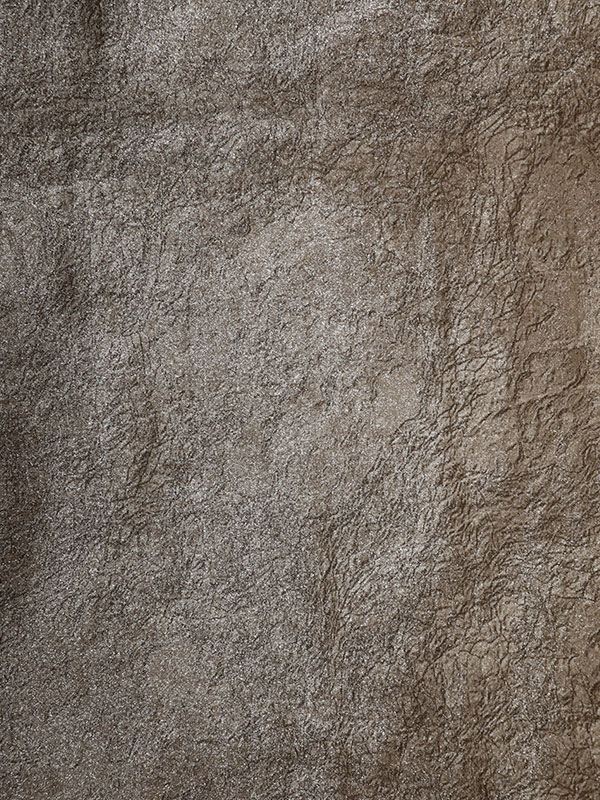
Traditional printing processes can involve preparation work that is more suitable for established designs and larger production runs. Digital printing can provide greater flexibility when a furniture brand needs several designs in relatively small quantities. This can be useful for new collections, seasonal concepts, showroom samples, or market testing where committing to large volumes may not be appropriate at the development stage.
Complex Artwork Requires Careful Evaluation
Digital printing can reproduce detailed graphics, gradients, illustrations, and multiple colors without requiring the buyer to simplify every design into a basic repeating pattern. However, the artwork still needs to be evaluated according to the fabric structure and intended upholstery application. Fine details that appear clear on a digital design file may produce a different visual effect once printed onto a textured upholstery surface.
Sampling Helps Confirm the Final Appearance
A digital artwork file should not be treated as the final product reference. Fabric texture, surface construction, printing conditions, and viewing distance can all influence how a pattern appears. Requesting a physical printed sample allows buyers and designers to assess color, detail, hand feel, and overall visual balance before approving bulk production.
Color Management Should Be Part of the Process
Color consistency remains an important issue for international furniture sourcing. Screen displays, design software, printed samples, and finished fabric rolls may not appear exactly the same under different conditions. Buyers should establish an agreed color reference and approval procedure with the supplier. Maintaining clear records of approved artwork and samples can also reduce confusion when multiple designs are produced for the same collection.
Fabric Construction Can Affect Print Results
Not every upholstery material produces the same printing effect. Smooth surfaces may show fine graphic details differently from heavily textured or raised fabrics. Fiber composition and surface structure can also influence color absorption and visual sharpness. A Sofa Fabric Factory should therefore evaluate the relationship between the selected base fabric and printing method instead of treating artwork and fabric as completely separate decisions.
Match Printing Method With the Order Strategy
The appropriate printing process depends on the commercial purpose of the fabric. Buyers can consider several factors before selecting a production method:
- Expected order quantity and future repeat orders
- Number and complexity of artwork designs
- Required sampling flexibility
- Desired pattern detail and color variation
- Fabric construction and surface texture
- Bulk-production consistency requirements
This approach prevents the printing method from being selected based only on the appearance of a digital design.
Sustainability Also Enters the Sourcing Discussion
Material efficiency and production processes are receiving more attention across furniture and textile development. Recent design discussions have placed greater emphasis on recycled materials, alternative fibers, and more responsible textile development. For buyers, this means evaluating printing should be part of a wider material strategy that considers the base fabric, production requirements, product lifespan, and potential waste.
Discuss the Project Before Confirming Bulk Production
The practical printing choice depends on the relationship between design requirements and manufacturing conditions. By sharing artwork, fabric preferences, expected quantities, and finished sofa applications early, buyers can ask a Sofa Fabric Factory to recommend a suitable production approach. For customized Print Fabric projects, this early technical discussion can help balance creative freedom with production stability and purchasing efficiency.