 English
 中文简体
中文简体 русский
 عربى
عربى Español
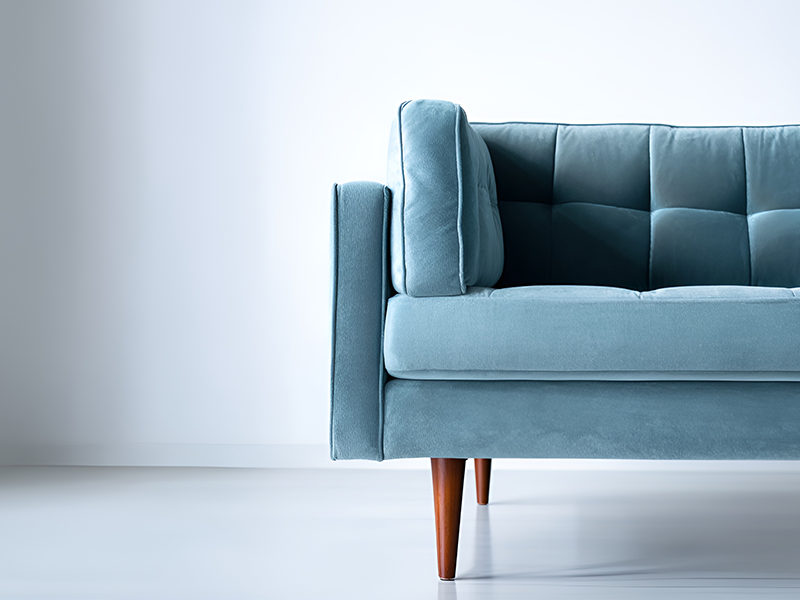
Velour Fabric can give upholstered furniture a distinctive surface character, but choosing a fabric for a sofa project involves more than selecting a color or texture from a sample book. Overseas furniture brands, wholesalers, interior suppliers, and procurement teams also need to consider how the fabric will feel, perform, be maintained, and look across different production batches. For a buyer, the right fabric is one that fits the intended furniture design and usage conditions. From a manufacturer’s perspective, understanding these requirements early makes fabric selection and production more precise.
Start With the Sofa's Intended Use
A fabric specification should begin with the furniture application. A sofa designed for a private living room may have different requirements from one intended for hospitality, commercial interiors, or frequently used shared spaces.
Buyers can define:
- Expected frequency of use
- Type of seating application
- Desired surface hand feel
- Cleaning and maintenance expectations
- Preferred color range
- Required visual consistency
This information helps narrow the fabric selection before buyers spend time comparing similar-looking samples.
Look Beyond the Surface Appearance
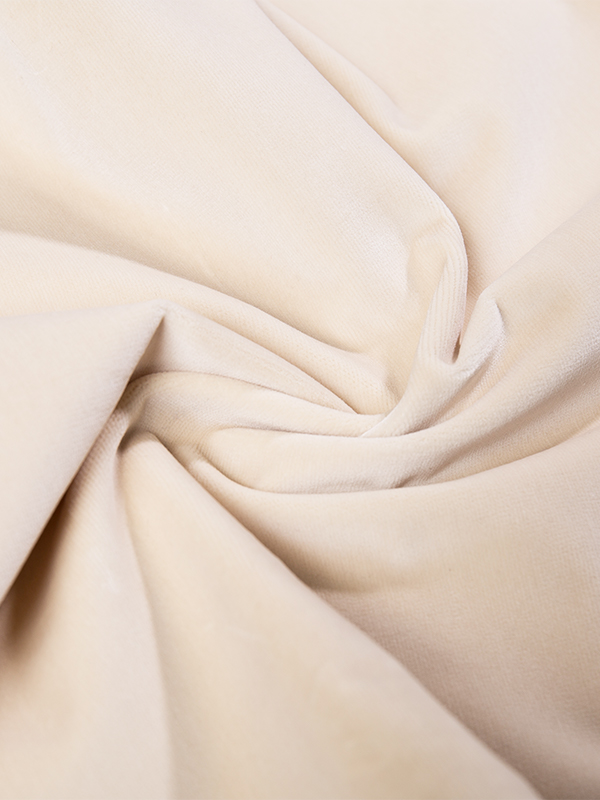
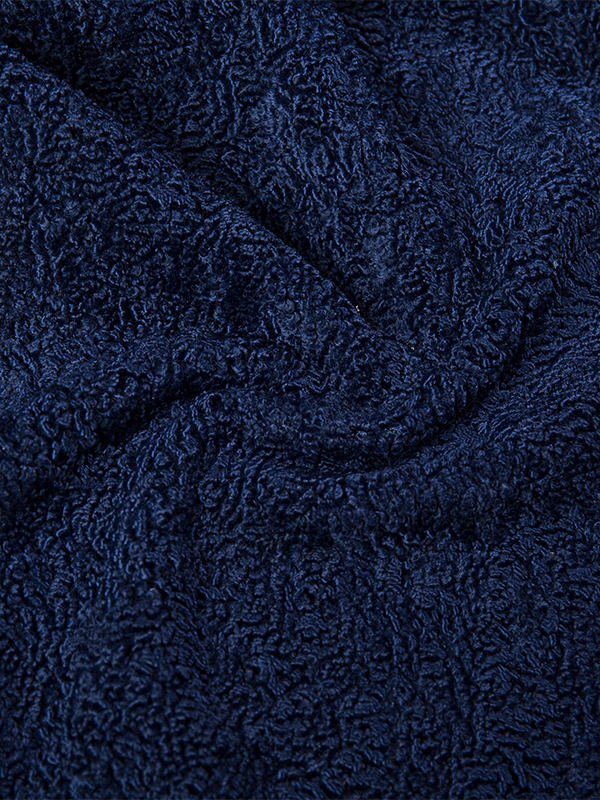
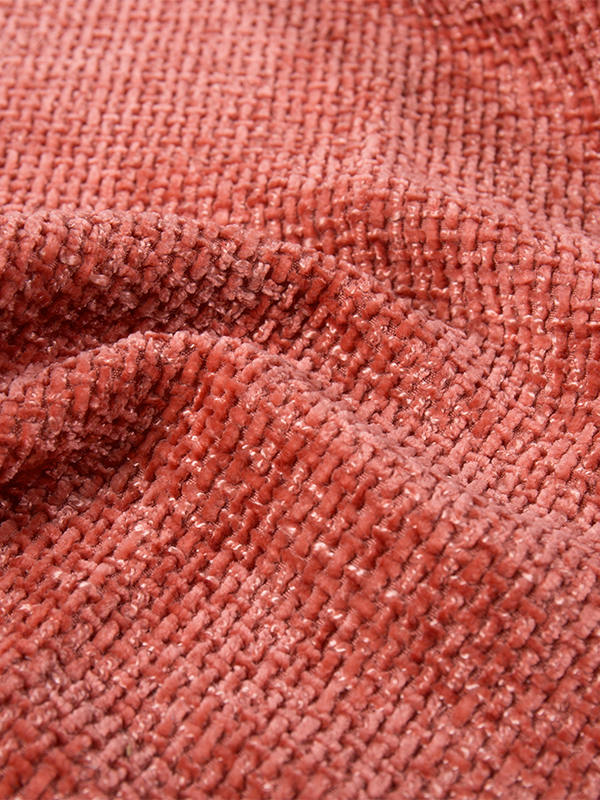
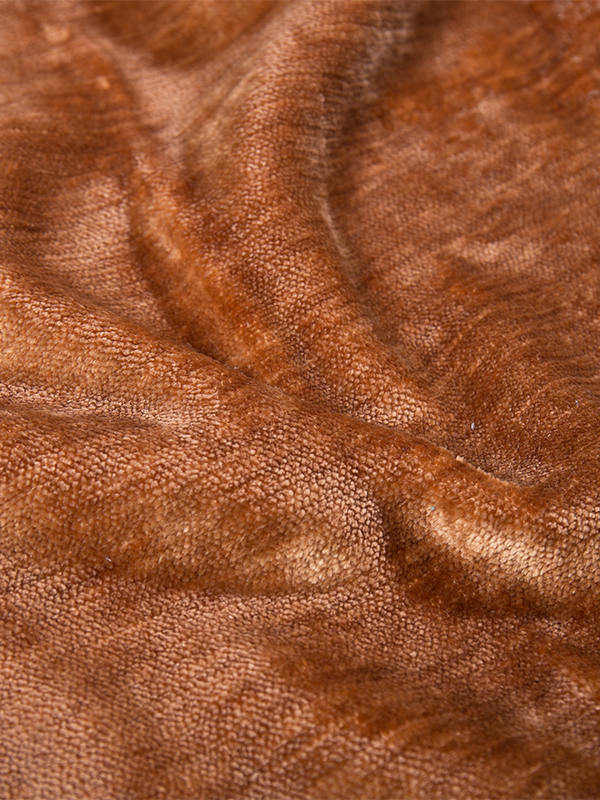
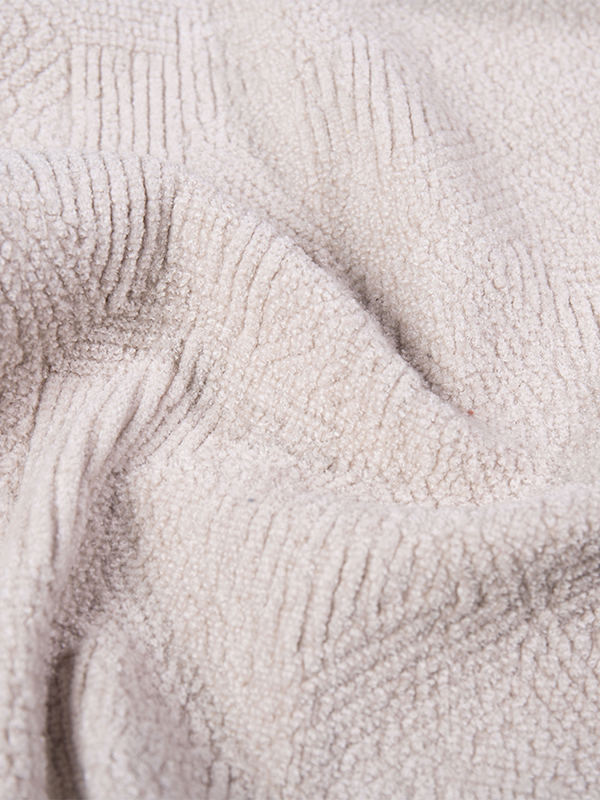
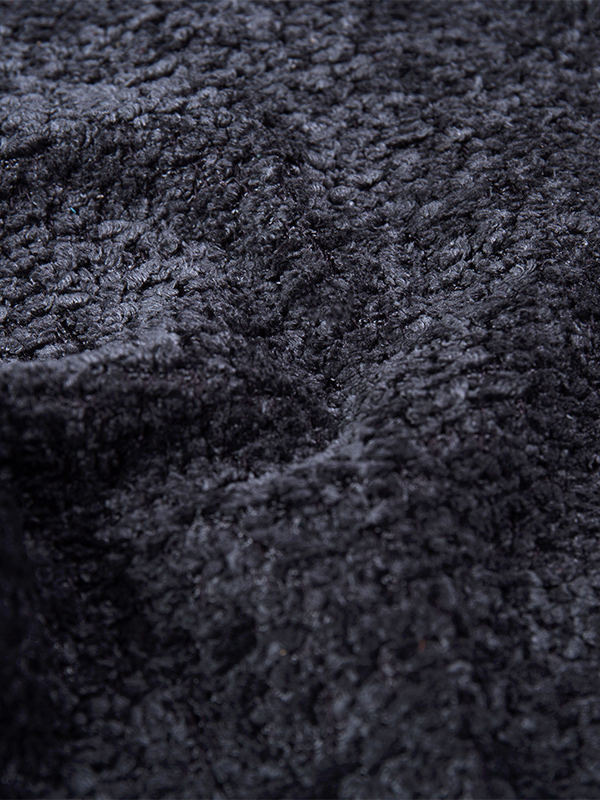
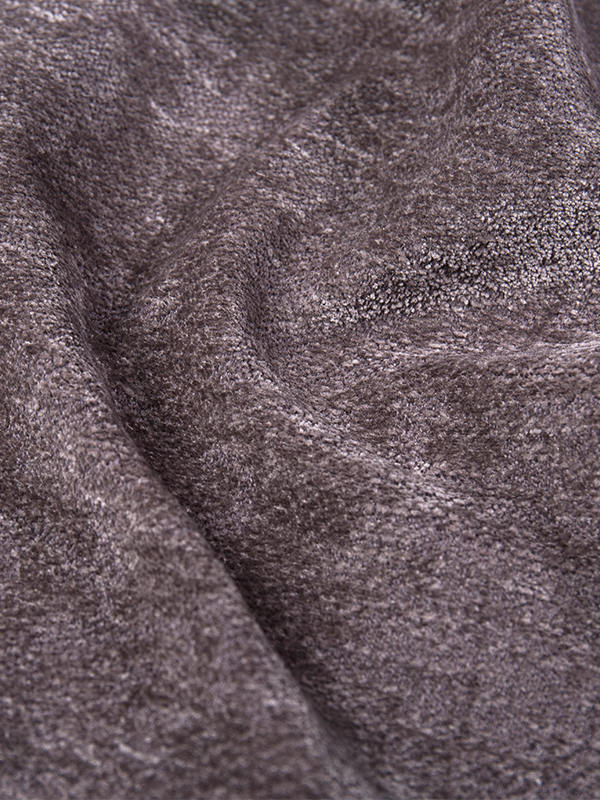
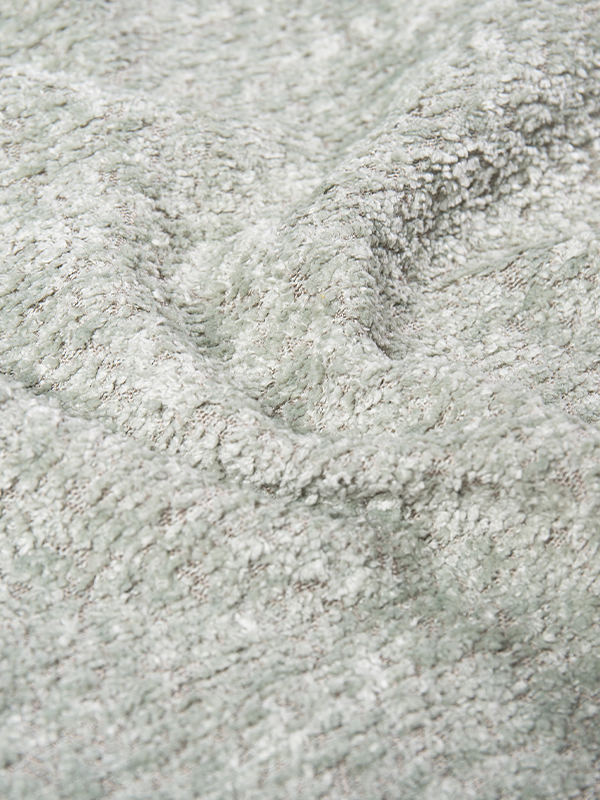
Velour is often selected for its soft surface and distinctive visual depth, but appearance can change depending on lighting, fabric direction, and upholstery construction. A color that looks consistent on a small sample may create a different visual impression when applied across a larger sofa.
For furniture manufacturers, sample evaluation should therefore include both visual and physical inspection. Running a hand across the fabric, viewing it from different angles, and checking it under different lighting conditions can provide useful information that a product photograph cannot show.
Consider Color and Production Consistency
Color matching is an important consideration when fabric is used for a furniture collection. Buyers may need the same color to remain visually consistent across multiple production runs, especially when a sofa model is expected to remain available over an extended period.
A practical purchasing process can include:
- Confirming an approved color sample
- Recording the selected fabric specification
- Checking samples before bulk production
- Comparing fabric appearance under consistent lighting
- Separating different specifications during warehouse handling
For manufacturers, maintaining clear production references helps connect the approved sample with subsequent fabric production.
Match Fabric Selection With Upholstery Design
The construction of the sofa also matters. Cushion shape, seam placement, upholstery tension, and surface direction can influence how a fabric appears after it is applied to the furniture.
A buyer developing a sofa collection should provide the fabric supplier with information about the intended upholstery structure whenever possible. This allows the manufacturer to consider whether the selected fabric is suitable for the design rather than evaluating the textile in isolation.
This application-based approach can be particularly useful for custom furniture projects.
Think About Everyday Maintenance
Furniture buyers also need to consider what happens after the sofa reaches its final user. Dust, spills, friction from regular seating, and routine cleaning can all affect the appearance and condition of upholstery.
Instead of relying on general descriptions such as “easy care” or “durable,” buyers should ask for clear care instructions and product-specific information. The recommended cleaning method should be compatible with the fabric construction and the intended furniture application.
A manufacturer can provide more useful guidance when the buyer explains the expected use environment.
Build a Clear Sampling Process
A well-organized sampling process can reduce misunderstandings between the furniture buyer and fabric manufacturer. Rather than approving a sample based only on color, procurement teams can evaluate several aspects together.
The review can cover:
- Color and shade
- Surface texture
- Hand feel
- Fabric construction
- Width requirements
- Upholstery application
- Care information
Once approved, the sample and specification should become the reference for bulk production and future repeat orders.
Work With a Sofa Fabric Manufacturer From the Design Stage
For overseas furniture buyers, working directly with a Sofa Fabric Factory can make communication more practical when the project involves custom colors, specific upholstery requirements, or repeat production. A manufacturer can evaluate the fabric according to the sofa design, intended use, and production process rather than treating the material as a standalone decorative textile.
The right Velour Fabric is therefore not simply the one with the attractive surface. It should provide the appearance, hand feel, construction, maintenance characteristics, and production consistency required by the finished furniture. When these factors are discussed before bulk purchasing, a Sofa Fabric Factory can develop a clearer production reference and help buyers move from fabric sampling to finished sofa production with fewer avoidable changes.