 English
 中文简体
 русский
 عربى
 Español

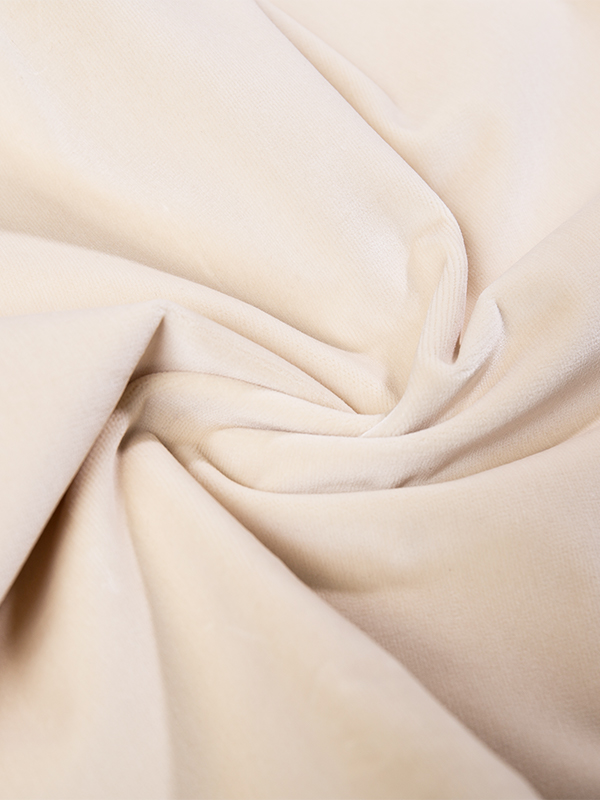
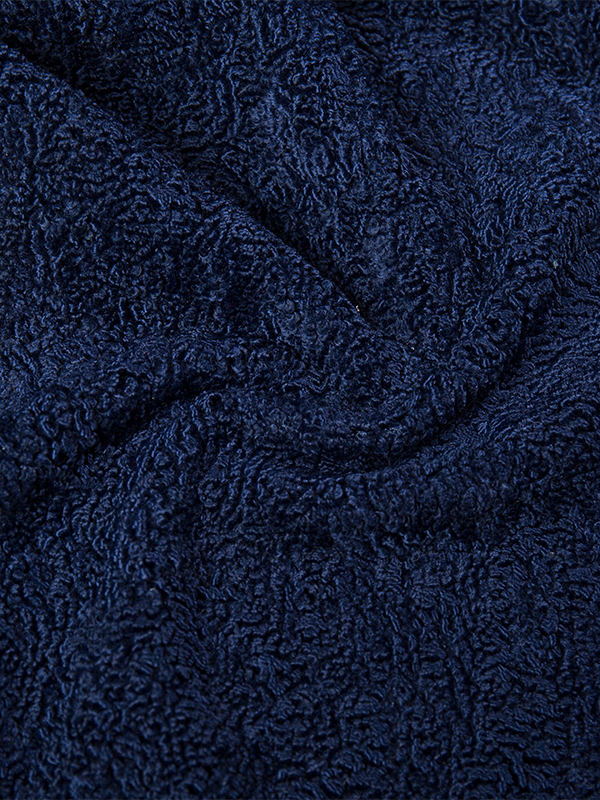
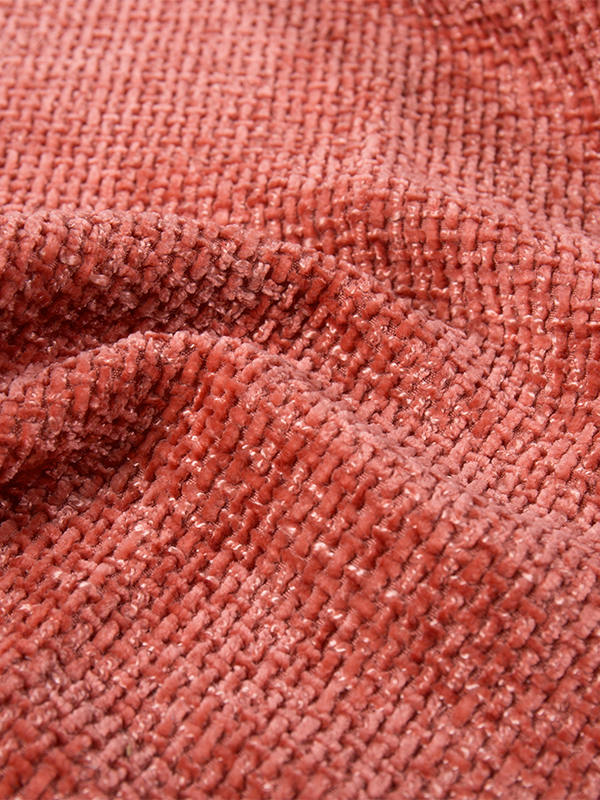
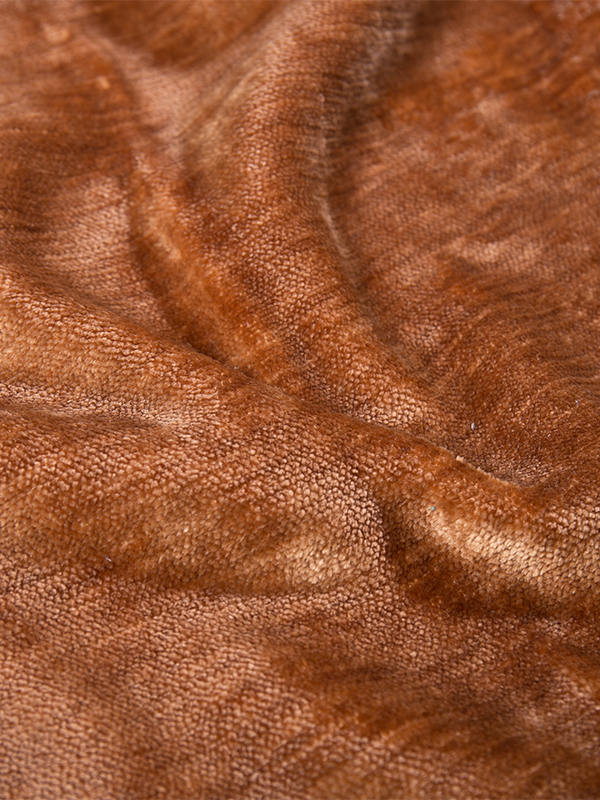
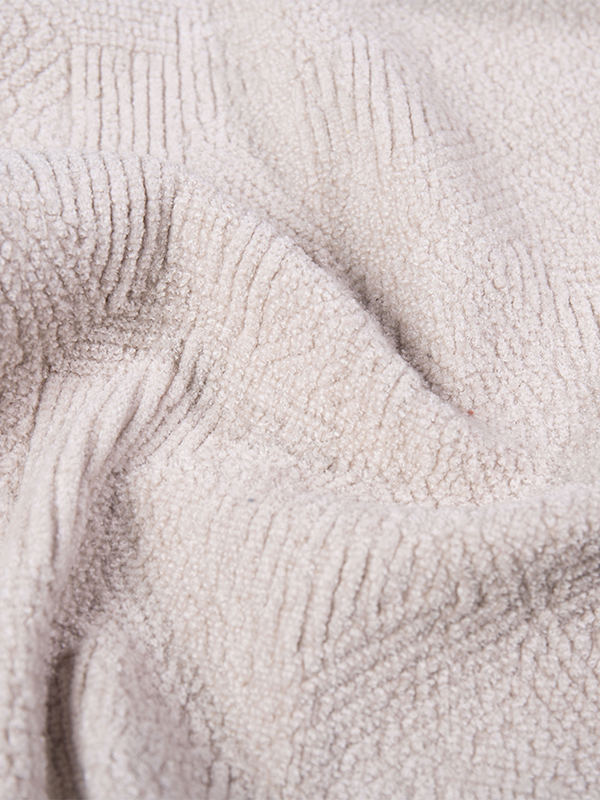
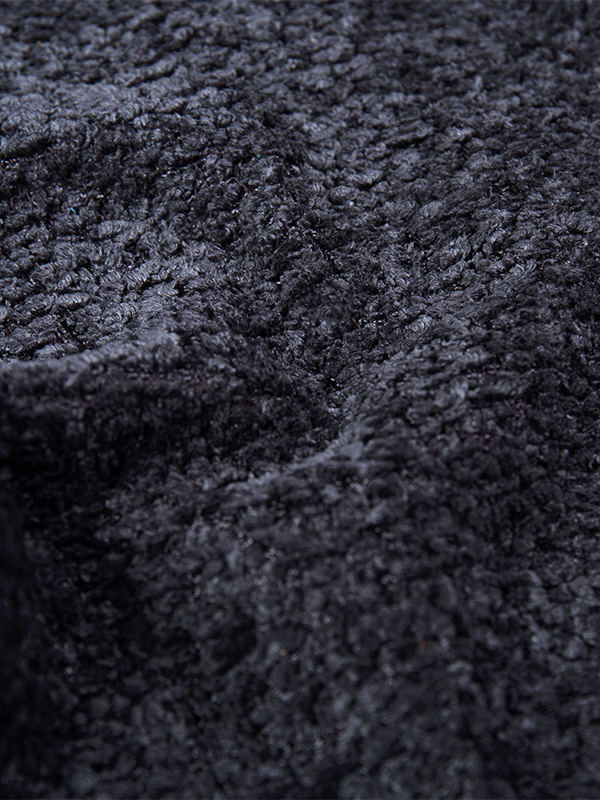
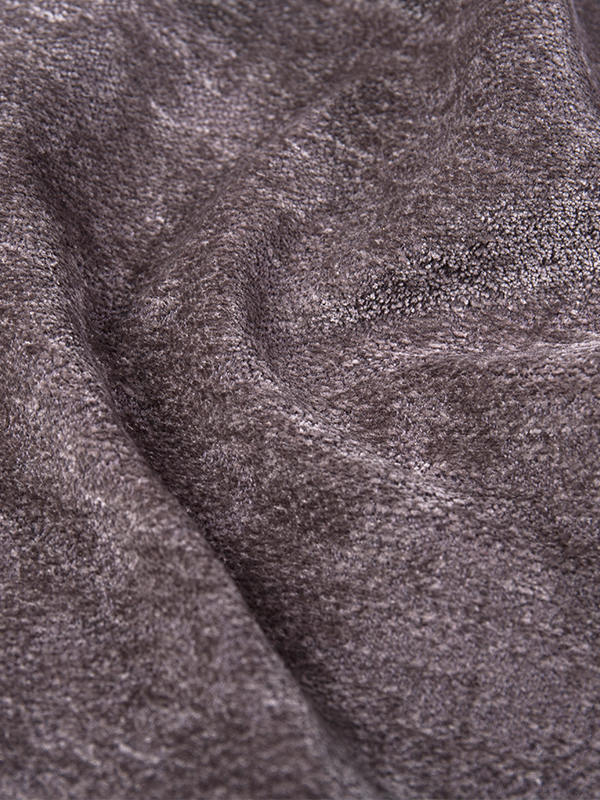
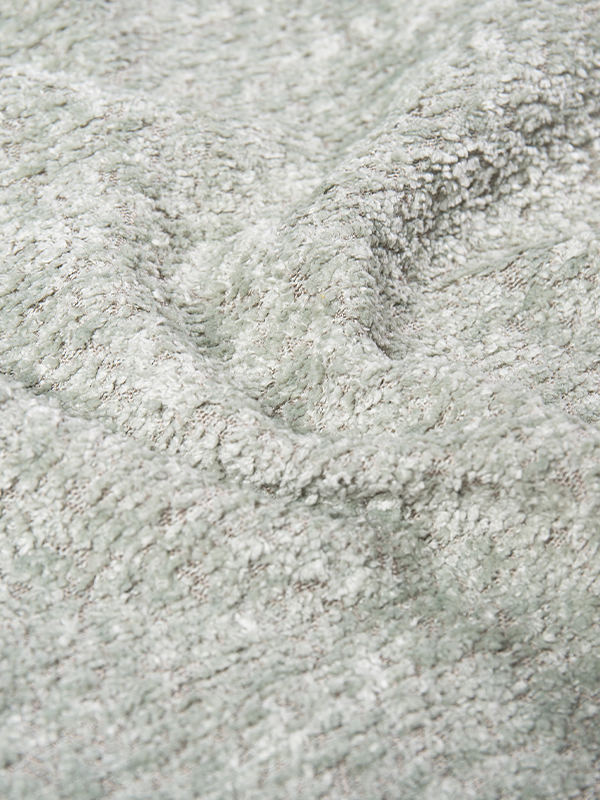
A fabric sample can look exactly right on a small swatch, yet the transition from sampling to bulk production still requires careful coordination. For furniture buyers, Velour Fabric is not simply a decorative material. Its surface, construction, color, width, and finishing details all need to match the requirements of the finished sofa. A clear development process helps buyers and manufacturers avoid misunderstandings when a project moves from an approved sample to larger production quantities.

Define the Fabric Requirement Before Sampling
A manufacturer needs a clear starting point before developing a fabric sample. General descriptions such as “soft velour” or “dark gray upholstery” may not provide enough information for production.
Buyers should communicate the main requirements of the project, such as:
- Intended sofa application
- Preferred color and surface appearance
- Fabric construction requirements
- Desired hand feel
- Expected fabric width
- Special finishing requirements
- Target furniture style
Not every project requires all of these details to be fixed immediately. However, identifying the important requirements early gives the manufacturer a more useful direction for sample development.
Treat the First Sample as a Development Stage
The sample should not always be considered the final production reference. It can be used to evaluate whether the material is moving toward the intended furniture design.
Buyers can check the sample for appearance, touch, surface direction, color, and general suitability. If adjustments are needed, feedback should be specific rather than simply describing the material as “different” or “not suitable.”
For example, the buyer may need a softer hand feel, a different surface depth, or a color adjustment. Clear feedback gives the manufacturer a practical basis for the next sample.
Confirm the Details That Actually Matter
Once the fabric is close to the required result, the next step is to confirm the production specification. This prevents the final order from depending only on visual memory.
The approved reference can include the relevant fabric construction, color, finishing details, width, and other agreed characteristics. If the project involves a customized fabric, these details become especially useful when production is repeated later.
A physical sample can remain the primary visual reference, while written specifications provide additional production guidance.
Test the Approved Fabric on the Sofa
A textile sample cannot show every detail of the final upholstered product. A larger fabric area can create a different visual impression, especially when the material covers cushions, curved surfaces, armrests, and large body panels.
Before bulk production, manufacturers can use the approved fabric for a representative upholstery trial. This gives buyers an opportunity to review the actual relationship between fabric and furniture.
The evaluation can focus on:
- Overall surface appearance
- Fabric direction
- Appearance across larger panels
- Sewing and seam areas
- Behavior around curves
- Finished sofa appearance
This step connects textile approval with the actual furniture application.
Record Changes Between Samples
Customized fabric development may involve several rounds of adjustment. If changes are not recorded clearly, different versions can easily become confused.
Each revised sample should therefore have a clear identification method. The manufacturer and buyer can keep track of what was changed and which version received final approval.
This is particularly useful when several colors, finishes, or fabric constructions are being developed at the same time.
Prepare for Repeat Orders
A successful production should also provide a useful reference for future orders. Furniture collections may continue for an extended period, and buyers may reorder the same fabric after the original project has been completed.
Production records can help connect future orders with the approved specification. This reduces reliance on informal descriptions and makes communication easier when the original development team is no longer handling the order.
For manufacturers, maintaining clear references also supports more organized production planning.
Discuss Customization Before Bulk Production
If a buyer needs a specific color, surface effect, construction, or finishing treatment, customization should be discussed before the production schedule is finalized.
A manufacturer can then determine which elements need sampling and which requirements should remain fixed during production. This helps separate development work from routine bulk manufacturing.
The earlier these requirements are defined, the easier it is to establish a stable production reference.
Build a Clear Handover From Sample to Order
For overseas furniture buyers, the move from a fabric sample to bulk production should be treated as a process rather than a single approval message. Velour Fabric needs to be evaluated both as a textile and as part of the finished sofa.
When the approved sample, technical requirements, customization details, and production records are properly connected, a Sofa Fabric Factory has a clearer manufacturing reference for the order. This creates a more practical foundation for bulk production and future repeat orders while helping buyers maintain consistency across their furniture projects.