 English
 中文简体
 русский
 عربى
 Español

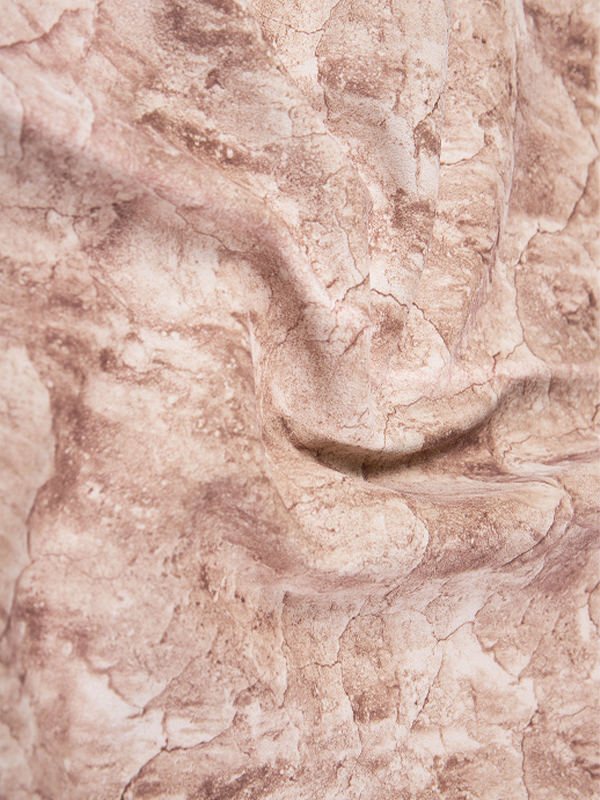
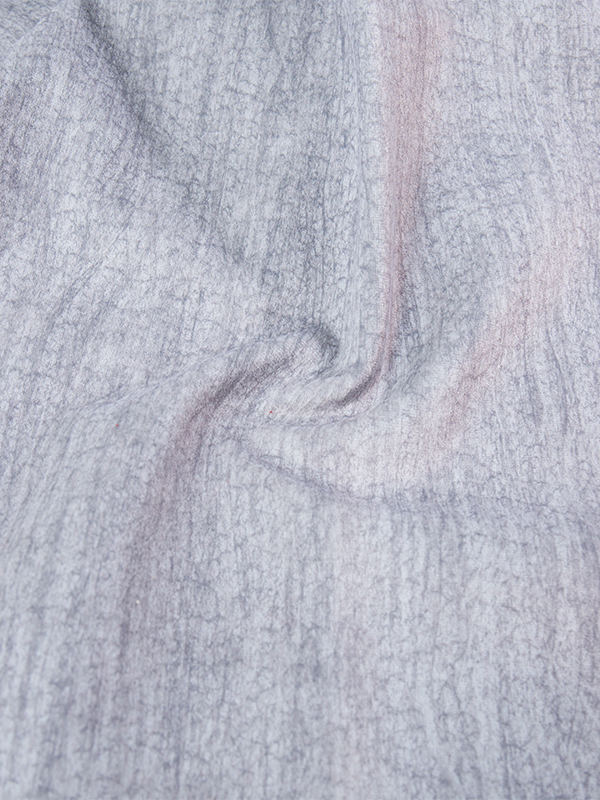
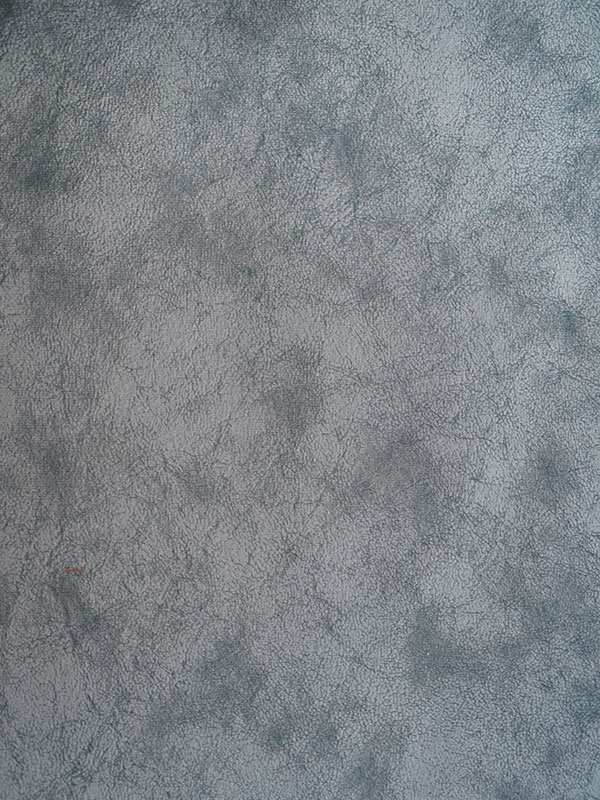
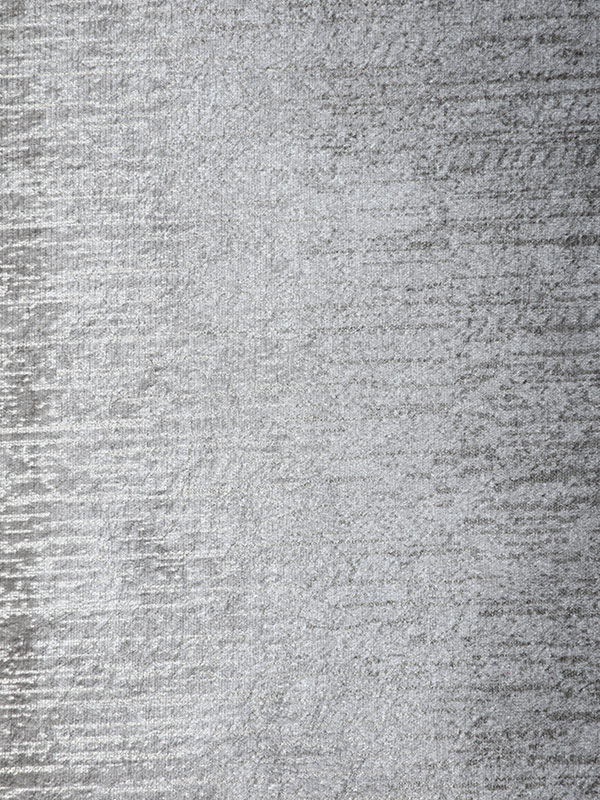
In a competitive furniture market, offering different sofa shapes is not always enough to make a collection stand out. Retailers and furniture manufacturers also need upholstery materials that give each product a recognizable visual identity. Printed textiles provide an opportunity to introduce new colors, patterns, and design themes without completely changing the furniture structure. However, selecting the right fabric involves more than following popular interior styles. Buyers need to consider customer preferences, production consistency, fabric performance, and the flexibility to develop different product ranges. For companies sourcing Print Fabric, understanding these factors can help turn creative ideas into commercially practical upholstery collections.
Use Pattern Variation to Create Distinct Product Lines
Furniture brands often serve customers with different preferences. Some buyers prefer understated interiors with neutral colors, while others look for expressive patterns that make sofas a focal point of the room.
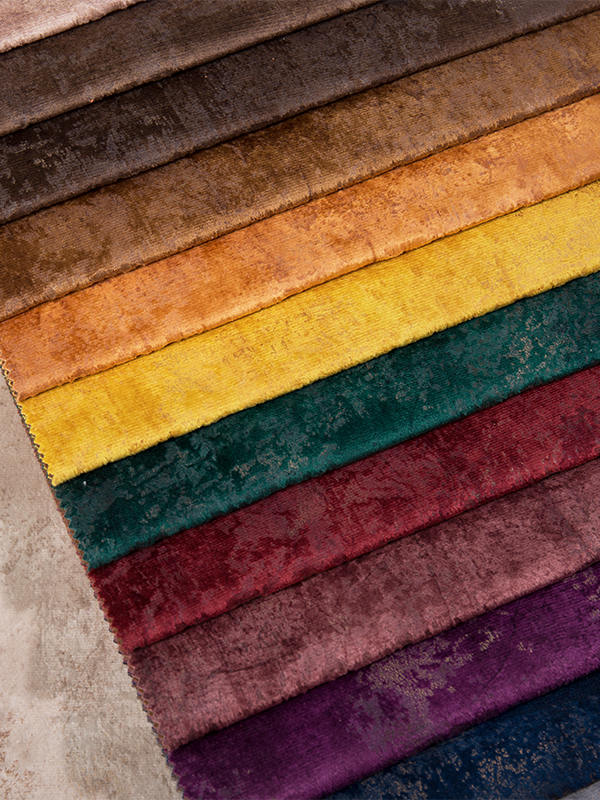
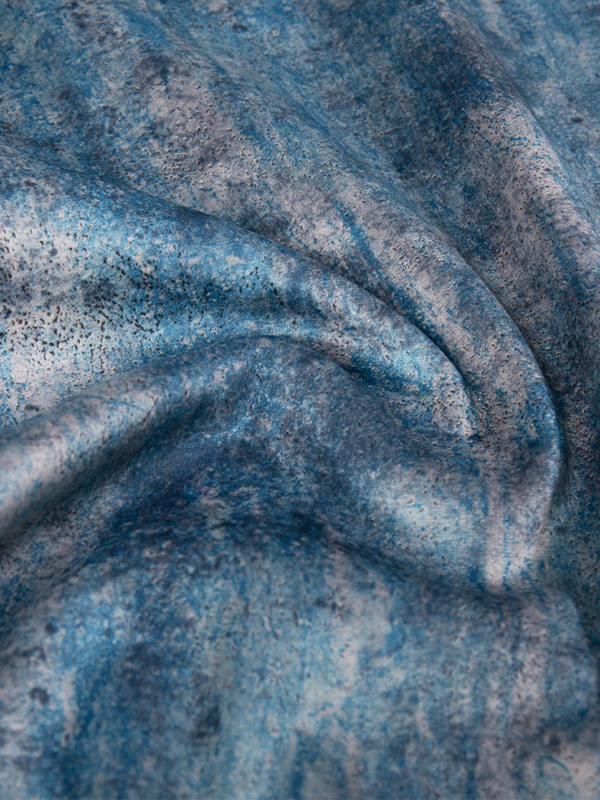
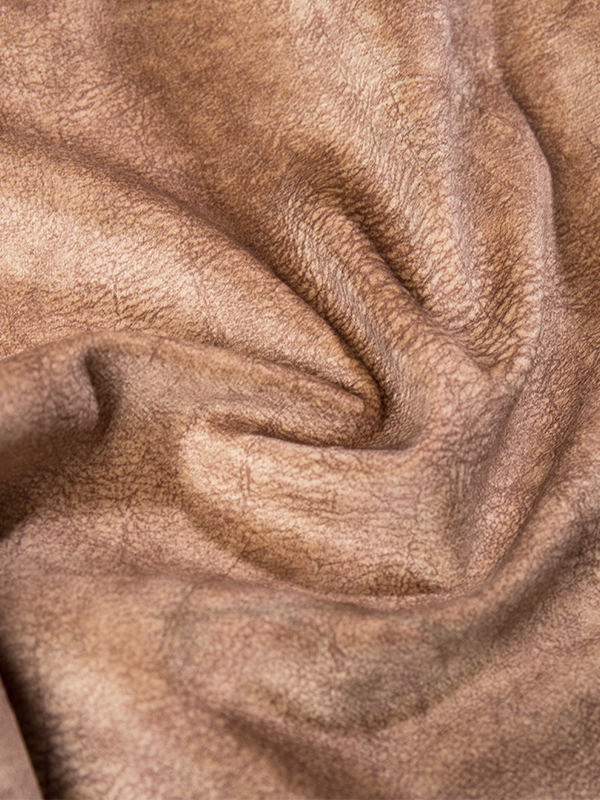
Printed upholstery can support both directions. Botanical motifs, abstract shapes, geometric arrangements, and vintage-inspired patterns offer different visual effects. Manufacturers can also develop several color versions of the same design to create product variations without introducing an entirely new fabric structure.
For wholesalers and retailers, this approach may make it easier to organize collections for different customer groups, price segments, and interior styles.
Pay Attention to Color Coordination Across a Collection
A printed sofa fabric should not be evaluated independently from the surrounding furniture design. Its colors need to work with the sofa frame, cushions, decorative stitching, and other interior materials.
For example, a fabric with several strong colors may work better when paired with a relatively simple sofa shape. A subtle print, on the other hand, can complement more detailed furniture structures without making the overall design appear crowded.
Buyers should request physical samples and compare them with the materials planned for the finished furniture. Lighting conditions can influence how colors appear, so reviewing samples in an environment similar to the intended showroom or retail setting is useful.
Select Fabric Construction According to Product Positioning
Different furniture collections may require different fabric characteristics. A decorative accent chair, a family sofa, and seating designed for a hospitality project do not necessarily have identical material requirements.
When evaluating printed upholstery, buyers should consider:
- Fiber composition and fabric structure
- Surface texture and hand feel
- Abrasion resistance for the intended usage level
- Colorfastness and pilling performance
- Cleaning and maintenance requirements
These considerations help ensure that the fabric supports the intended product positioning rather than focusing exclusively on its appearance.
Avoid Design Problems During Bulk Production
A pattern that looks attractive on a sample may create production challenges when used across multiple sofa components. Large motifs, directional designs, and complex repeats can require more careful cutting and alignment.
This is particularly important for furniture brands ordering several fabric rolls for the same collection. Differences in pattern placement or color appearance may become noticeable when finished products are displayed together.
Before confirming bulk production, buyers should review the approved sample, pattern repeat, usable fabric width, and relevant color references. Manufacturers should also clarify how production batches are checked against the agreed specifications.
Consider Custom Prints for Brand Differentiation
For furniture businesses developing their own collections, customized patterns can help establish a more recognizable product identity. Rather than relying entirely on commonly available designs, buyers may explore exclusive artwork, adjusted color combinations, or modified pattern scales.
A successful customization project requires clear communication. Buyers should provide suitable artwork files, preferred colors, repeat dimensions, and fabric requirements. It is also important to discuss less order quantities, sampling arrangements, production advance times, and design approval procedures before placing an order.
Working closely with a capable supplier can help translate design concepts into fabric specifications that are suitable for actual furniture manufacturing.
Think About Inventory and Collection Planning
Printed upholstery also influences inventory decisions. A design that appeals to one customer group may have limited suitability for another, while highly distinctive patterns may require more careful demand planning.
Furniture wholesalers can reduce unnecessary purchasing risks by organizing fabrics into coordinated collections. Combining statement prints with more versatile patterns and plain upholstery options provides greater flexibility when responding to different orders.
For manufacturers, reviewing customer feedback and sales performance can also help guide future fabric selection instead of depending entirely on short-term design trends.
Find a Supplier That Understands Furniture Applications
Choosing printed upholstery requires cooperation between design, purchasing, and production teams. Buyers need a supplier that can communicate clearly about fabric construction, printing options, sample development, quality inspection, and bulk-order requirements.
As an experienced Sofa Fabric Factory, we understand that the right material must support both the visual direction and manufacturing needs of a furniture collection. By evaluating application requirements and design possibilities together, buyers can select Print Fabric that helps create distinctive sofa products while maintaining practical considerations for production and sourcing.