 English
 中文简体
 русский
 عربى
 Español

Furniture buyers are increasingly expected to balance visual appeal, everyday comfort, and practical performance when developing upholstered furniture collections. Printed patterns can help brands create distinctive designs, coordinate different interior styles, and offer customers more choices. However, an attractive pattern alone does not guarantee a suitable upholstery product. When sourcing Print Fabric for furniture applications, buyers need to consider color consistency, fabric construction, abrasion resistance, and maintenance requirements. Working with an experienced Sofa Fabric Factory can also help furniture manufacturers coordinate design selection with production quality and bulk-order requirements.
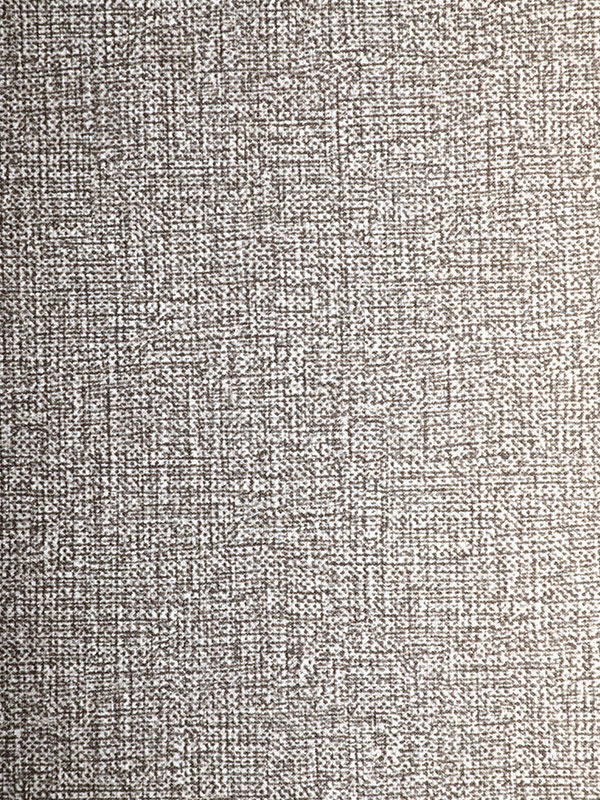
Choose Patterns That Match the Target Furniture Market
Printed upholstery fabrics can influence the overall character of a sofa, from understated contemporary interiors to more expressive decorative spaces. Geometric patterns, botanical designs, abstract graphics, and subtle textures each create a different visual effect.
For furniture brands, the challenge is selecting patterns that fit the intended customer rather than simply following short-term design preferences. A bold print may work well as the main feature of an accent chair, while a more restrained pattern may be easier to incorporate into a complete sofa collection.
Buyers should consider the furniture shape, room environment, target price range, and surrounding interior colors before confirming a design. This helps create a more coherent product collection.
Look Beyond the Appearance of Printed Fabric
A fabric sample can look appealing under showroom lighting but behave differently during actual furniture use. Upholstery materials need to be evaluated according to their construction and intended application.
Important factors include fiber composition, fabric weight, weave structure, surface texture, and resistance to regular friction. These characteristics influence how the fabric feels, handles, and performs when applied to upholstered furniture.
For buyers comparing printed sofa upholstery fabrics, requesting technical specifications alongside physical samples is a practical starting point. It allows procurement teams to compare products based on more than photographs and visual impressions.
Check Color Consistency Before Bulk Production
One challenge in printed fabric purchasing is maintaining a consistent appearance across different production batches. Variations in printing conditions, dyeing processes, raw materials, and finishing can influence the final color.
This becomes particularly important for furniture manufacturers producing matching sofas, chairs, and cushions. Noticeable differences between fabric rolls can affect the appearance of finished furniture and create difficulties during production.
Before approving an order, buyers should clarify:
- Approved color references and pattern artwork
- Acceptable color variation between batches
- Print alignment and pattern repeat requirements
- Fabric width and usable cutting area
- Sample approval and inspection procedures
Clear specifications help both buyers and manufacturers establish consistent expectations.
Consider How the Fabric Will Be Used
Not every printed fabric is suitable for every type of furniture. A sofa intended for a family living room may experience frequent sitting, friction, and occasional spills, while decorative seating in a hospitality environment may have different maintenance requirements.
Buyers should communicate the intended application before selecting a material. For example, furniture designed for frequent commercial use may require closer attention to abrasion performance and cleaning instructions. Products intended mainly for decorative purposes may place greater emphasis on pattern and surface appearance.
Matching fabric characteristics to actual usage conditions helps avoid selecting materials based on appearance alone.
Make Cleaning and Maintenance Part of the Selection Process
Maintenance is an important consideration for furniture retailers and end users. Customers often want upholstery that can be cared for without complicated procedures, but cleaning suitability depends on the fabric composition, printing method, and finishing treatment.
Manufacturers should provide accurate care instructions based on the actual product. Buyers can also request appropriate cleaning or colorfastness evaluations before placing larger orders.
It is important not to assume that every printed upholstery fabric is washable or stain-resistant. Confirming these characteristics during product evaluation helps brands communicate product benefits responsibly and reduces misunderstandings after delivery.
Coordinate Fabric Design With Furniture Manufacturing
Printed fabric selection should be coordinated with cutting, sewing, and upholstery processes. Pattern direction, repeat distance, fabric width, and alignment can affect material consumption and the final appearance of a sofa.
For furniture factories, a pattern that looks attractive on a small sample may require additional planning when applied to large seating surfaces. Matching patterns across cushions, armrests, and backrests can also influence cutting efficiency and fabric usage.
An effective purchasing process should therefore involve both design and production teams. Reviewing a larger fabric sample or trial upholstery piece can reveal practical issues before bulk manufacturing begins.
Build Reliable Supply Relationships for Repeat Orders
For overseas furniture brands, distributors, and upholstery manufacturers, supplier selection involves more than finding an appealing fabric collection. Buyers also need to understand production capacity, customization options, quality inspection, sample arrangements, and repeat-order consistency.
A professional Sofa Fabric Factory should be able to discuss fabric construction, printing requirements, finishing options, and application suitability with buyers. When specifications are clearly documented, both sides can manage product development and future replenishment more effectively.
By evaluating design, performance, manufacturing compatibility, and batch consistency together, buyers can make better decisions when sourcing Print Fabric. Choosing the right materials and cooperating with a capable Sofa Fabric Factory can help furniture brands develop distinctive sofa collections that meet both aesthetic expectations and practical market requirements.