 English
 中文简体
 русский
 عربى
 Español

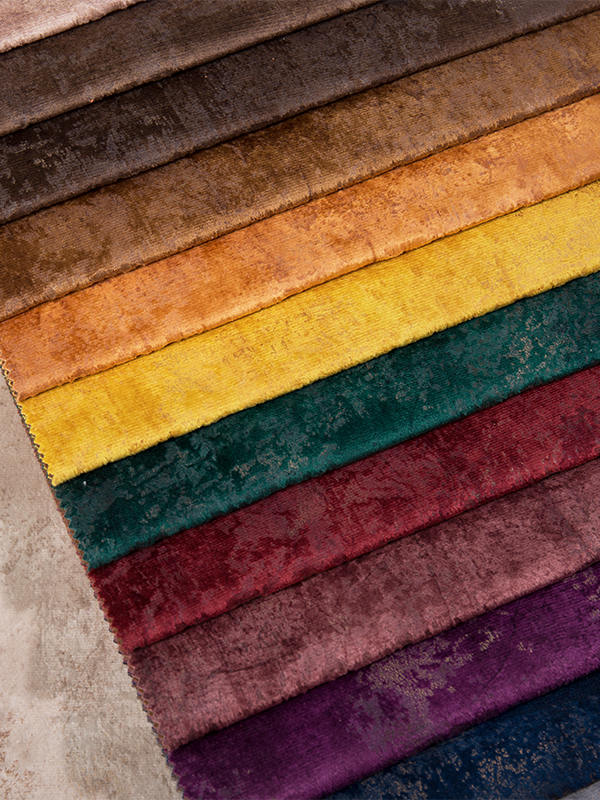
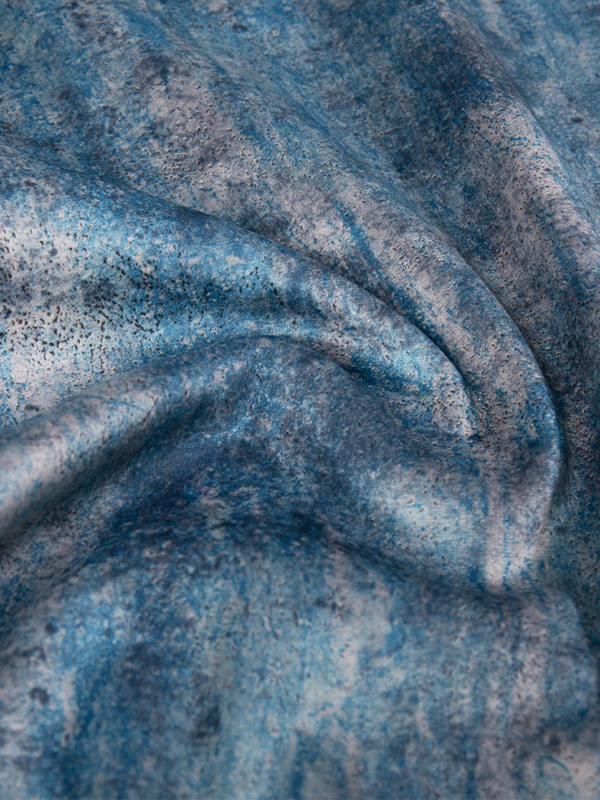
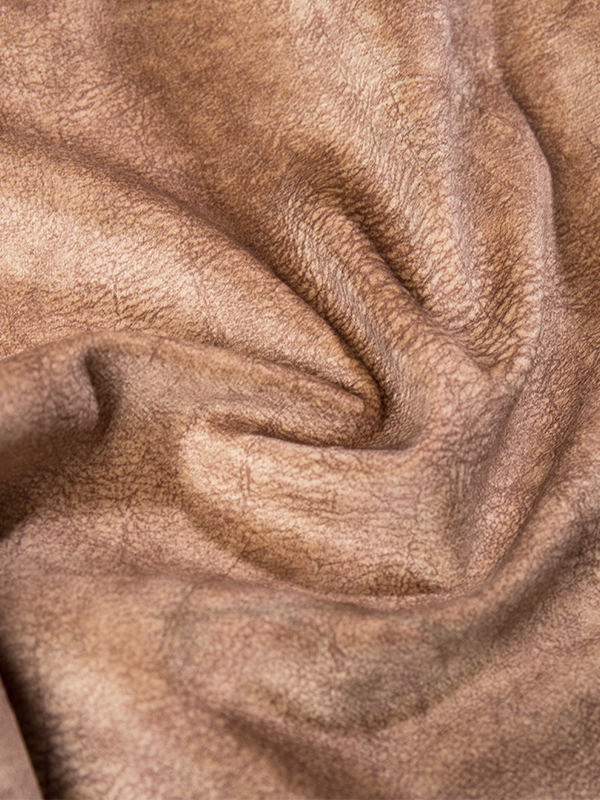
Furniture design is moving toward greater flexibility, with modular seating, curved silhouettes, and multifunctional living spaces influencing how sofas are developed. At the same time, printed upholstery offers furniture brands more ways to create distinctive collections through floral motifs, geometric patterns, abstract designs, and coordinated color combinations. However, a pattern that looks attractive on a flat fabric sample may not produce the same effect across different sofa sections. When sourcing Print Fabric, buyers need to consider pattern scale, repeat direction, fabric construction, and cutting requirements to ensure the finished upholstery meets both design and production expectations.
Match Pattern Scale With Sofa Dimensions
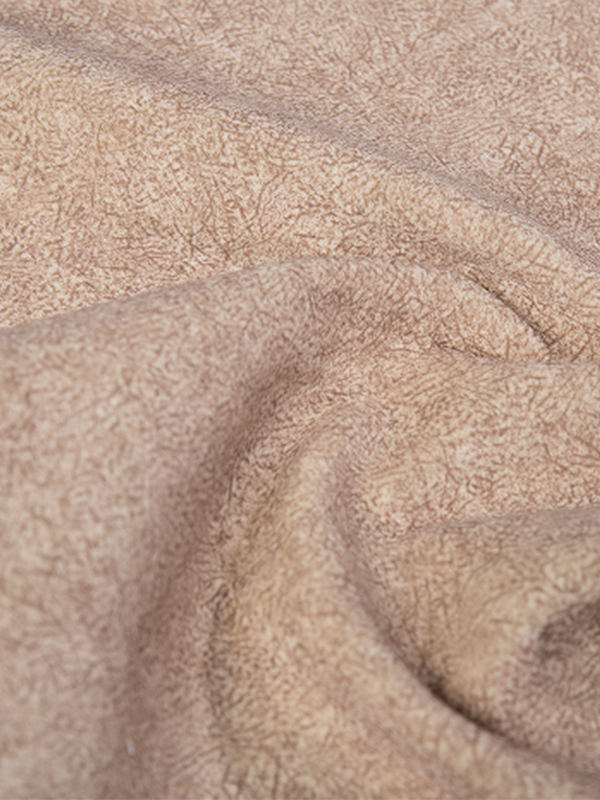
Pattern scale has a direct influence on the visual balance of upholstered furniture. A large floral design may create an attractive focal point on a spacious sofa, but the same pattern could look crowded on a compact armchair. Small geometric prints, meanwhile, can provide a more consistent appearance across different furniture sizes.
Buyers should evaluate the relationship between the pattern repeat and the dimensions of the intended furniture. For manufacturers producing several sofa models, selecting designs that remain visually balanced across different sizes can make collection planning easier. It is also useful to review how the pattern appears on seat cushions, backrests, and armrests rather than evaluating it as a single flat image.
Consider How Prints Behave on Curved Upholstery
Curved sofa backs, rounded armrests, and sculptural seat cushions require careful fabric cutting and placement. A geometric pattern with strong straight lines may appear distorted when fitted around a curved surface, while organic motifs can sometimes accommodate these shapes more naturally.
Before approving a design, furniture manufacturers should test it on a sample upholstery section rather than judging it only from a flat swatch. This helps designers understand how the print changes around seams, corners, and curved edges. It can also reveal whether important parts of the pattern might be hidden after upholstery.
Plan Pattern Repeats Before Fabric Cutting
Pattern matching can influence material consumption and production efficiency. When printed fabric includes large motifs or directional elements, upholstery workers may need to align the design across adjacent panels. This can increase cutting complexity compared with fabrics that have less restrictive patterns.
For bulk production, buyers should discuss several details with their fabric supplier:
- Pattern repeat length and width
- Whether the design has a specific top-to-bottom direction
- Matching requirements across seat cushions and back panels
- Expected cutting allowances
- Fabric width and usable cutting area
Providing these details early helps production teams estimate material requirements and reduce avoidable fabric waste.
Explore Coordinated Prints for Modular Collections
Modular sofas allow customers to arrange seating sections according to available space and lifestyle needs. This flexibility creates an opportunity for more creative upholstery combinations.
Instead of using one pattern across every component, designers can consider coordinated combinations. For example, a primary floral print could be paired with a complementary geometric fabric or a plain textured material. This approach creates visual variety while maintaining a consistent collection identity.
However, color relationships and surface textures should be evaluated together. Different fabrics that appear compatible on a digital screen may have noticeable differences in tone or texture under showroom lighting. Physical samples are therefore important before finalizing a coordinated collection.
Evaluate Durability Alongside Visual Appeal
A printed sofa may become a frequently used household item, so appearance is only one part of the selection process. Buyers should check whether the base fabric and printing finish are appropriate for the intended upholstery application.
Important evaluation points include abrasion resistance, colorfastness to rubbing and light, pilling behavior, seam performance, and cleaning instructions. For furniture intended for hospitality or other commercial environments, usage frequency and maintenance conditions should also influence material selection.
Testing should be based on the intended application and relevant buyer requirements rather than relying on general descriptions such as durable or easy-care. Buyers should also request available test information when comparing different fabric options.
Request Samples That Reflect Actual Production
A small color card is useful for initial design selection, but it may not reveal how a print will look across a complete sofa panel. Larger samples provide a better understanding of pattern placement, color distribution, surface texture, and repeat consistency.
Buyers should clarify whether the approved sample represents the proposed bulk-production material. If adjustments to color, printing, or finishing are necessary, these should be confirmed before the order proceeds. For repeat orders, keeping an approved reference sample can also help both parties evaluate production consistency.
Build a More Flexible Upholstery Fabric Collection
Successful furniture collections depend on the relationship between design creativity and manufacturing practicality. Pattern scale, repeat dimensions, cutting efficiency, and performance requirements all influence whether a printed textile is suitable for a particular sofa design.
As a professional Sofa Fabric Factory, we understand the importance of helping buyers evaluate these details before production. By selecting suitable Print Fabric for different furniture structures and communicating technical requirements clearly, furniture brands and wholesalers can develop coordinated upholstery collections that combine distinctive design with practical application value.