 English
 中文简体
中文简体 русский
 عربى
عربى Español
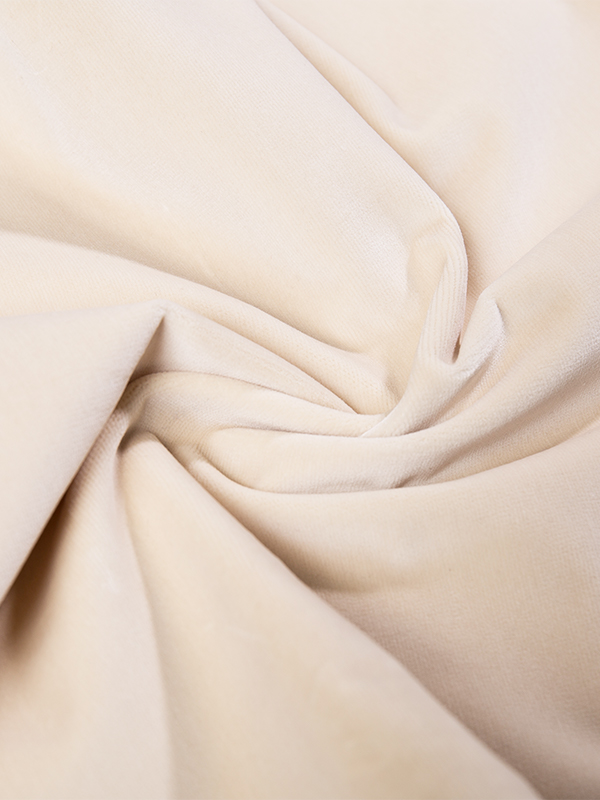
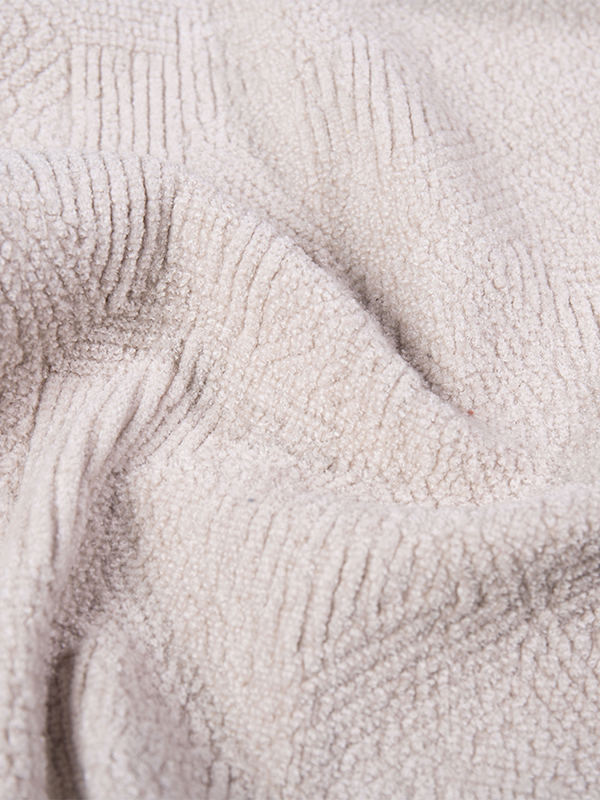
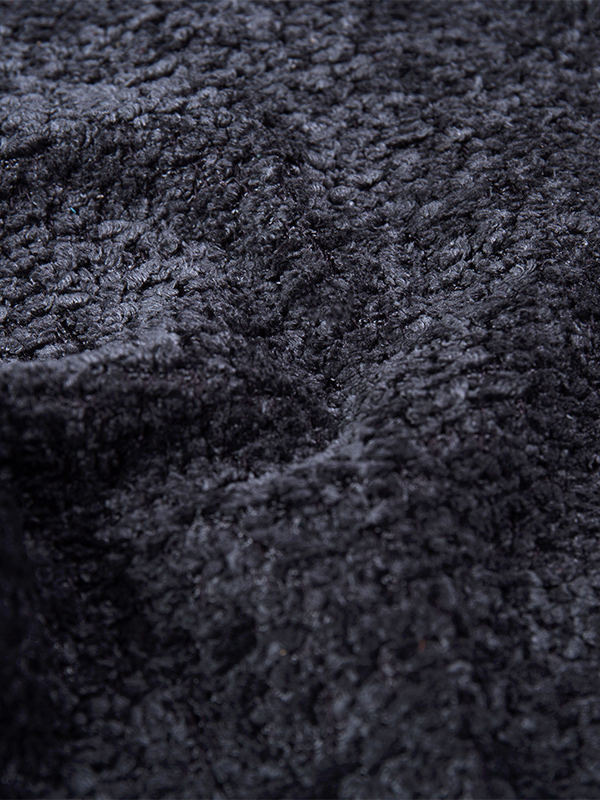
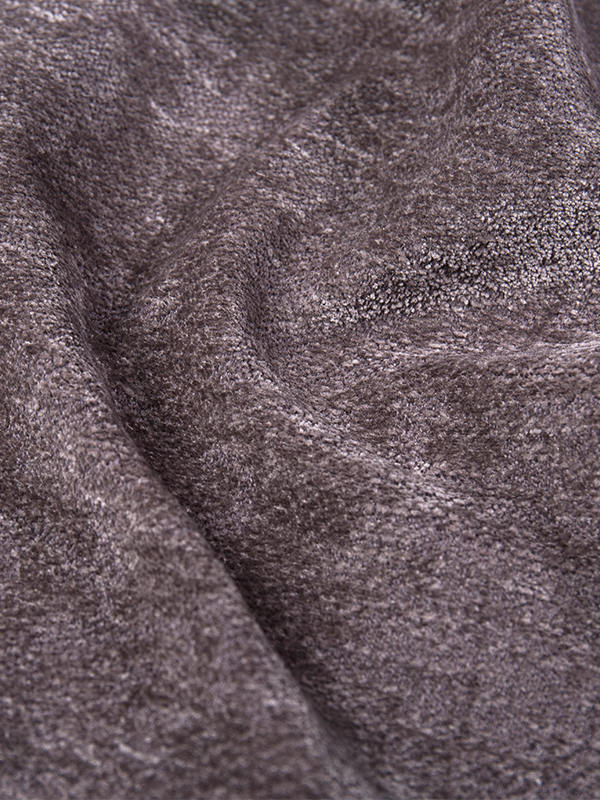
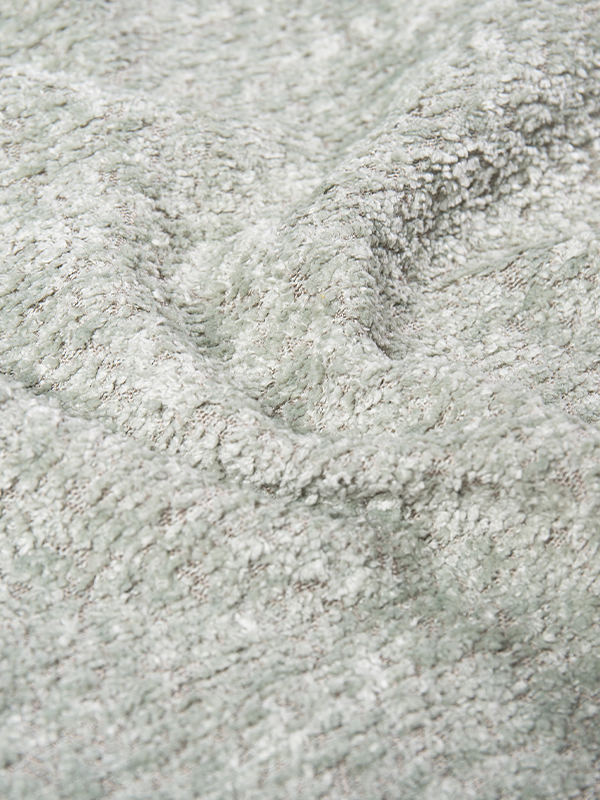
Sofa buyers and furniture manufacturers are paying closer attention to the balance between visual appeal, tactile comfort, durability, and everyday maintenance. In 2026, velvet and other soft-touch upholstery materials remain visible in furniture design, while performance has become an increasingly important part of fabric selection. Industry sources also point to growing demand for tactile surfaces, softer furniture forms, and upholstery that can handle real-life use. For buyers comparing upholstery materials, Velour Fabric can therefore be considered not only for its appearance, but also for how well it matches the intended sofa design and application.
Look Beyond Appearance When Choosing Sofa Fabric
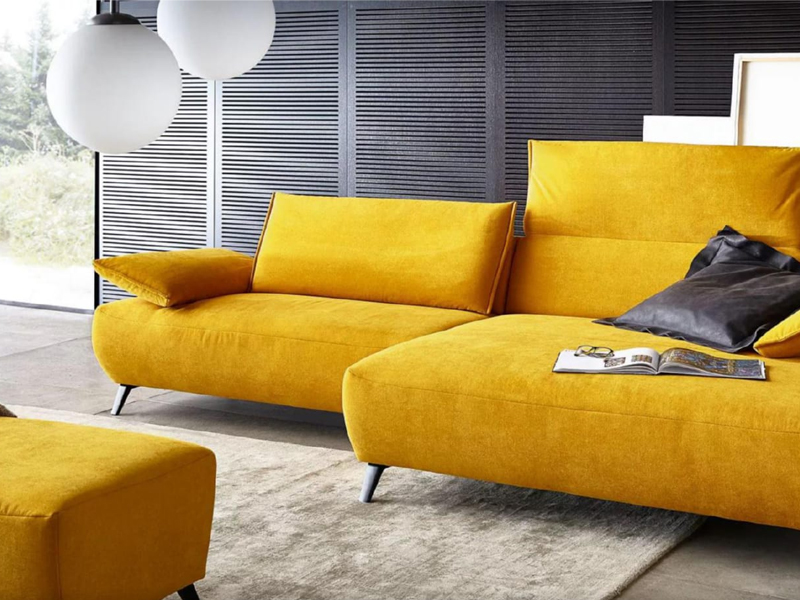
A sofa fabric needs to work with the furniture structure, usage frequency, and design style. Velour is known for its soft surface and distinctive visual depth, which can add warmth to both contemporary and traditional sofa designs. However, buyers should also consider pile direction, color consistency, surface recovery, and the expected level of daily use.
For furniture manufacturers, selecting fabric at the early design stage can help ensure that the upholstery complements the sofa shape rather than becoming an afterthought. Curved sofas, lounge seating, and larger upholstered forms can particularly benefit from fabrics with an appealing tactile surface.
Why Texture Has Become More Important
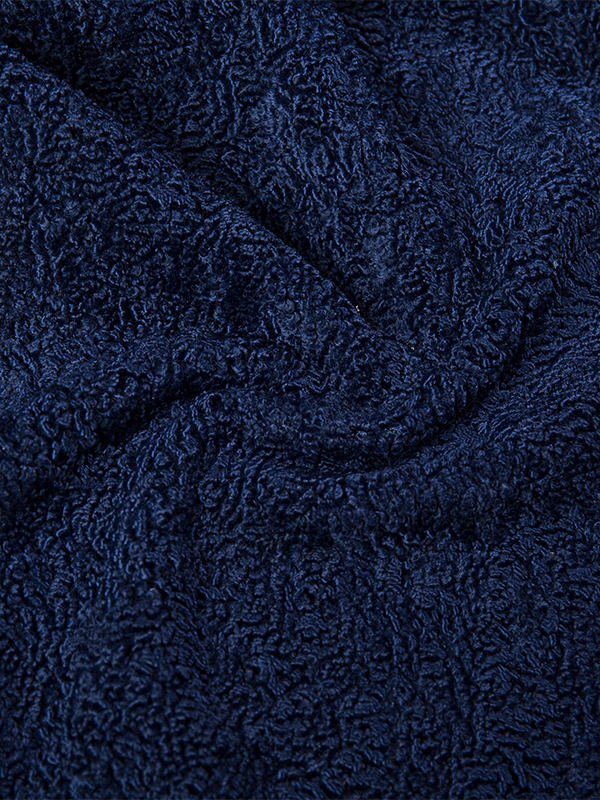
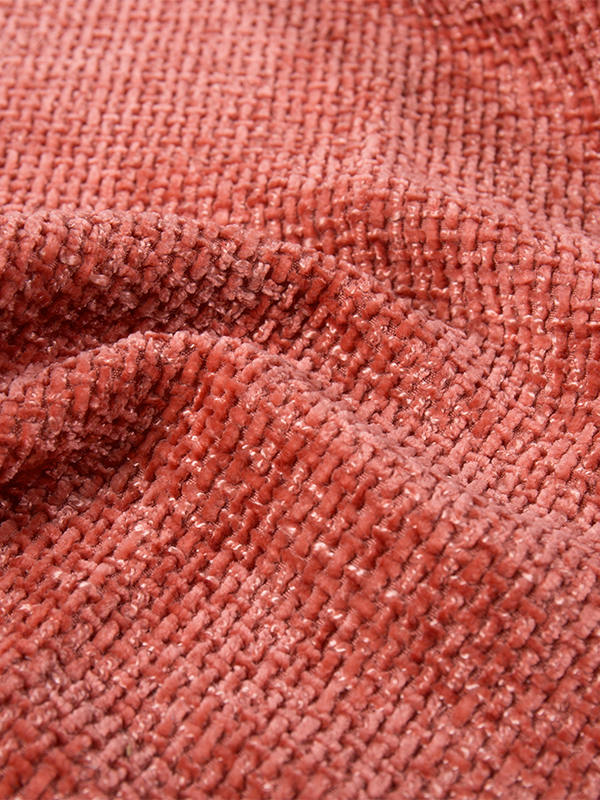
Texture is playing a noticeable role in current furniture design. Designers are using velvet, woven textiles, bouclé, and other tactile materials to add visual depth without depending entirely on strong patterns. The 2026 furniture market has also seen continued interest in softer silhouettes and tactile upholstery.
For overseas furniture buyers, this creates an opportunity to offer sofa collections with a more distinctive surface while maintaining relatively simple furniture shapes. A carefully selected velour surface can change how light interacts with the sofa and give the same frame a different visual character.
Match Fabric Performance With the Intended Use
Residential furniture and commercial seating do not necessarily face the same requirements. A sofa designed for a private living room may have different fabric specifications from seating used in hospitality, offices, waiting areas, or other high-traffic environments.
Before placing an order, buyers should clarify:
- Expected frequency of use
- Cleaning and maintenance requirements
- Abrasion and pilling expectations
- Color and finish requirements
- Applicable safety or performance standards
- Indoor or project-specific application conditions
Performance fabrics are increasingly being requested because buyers want practical upholstery without giving up a refined appearance.
Color Selection Can Influence Product Positioning
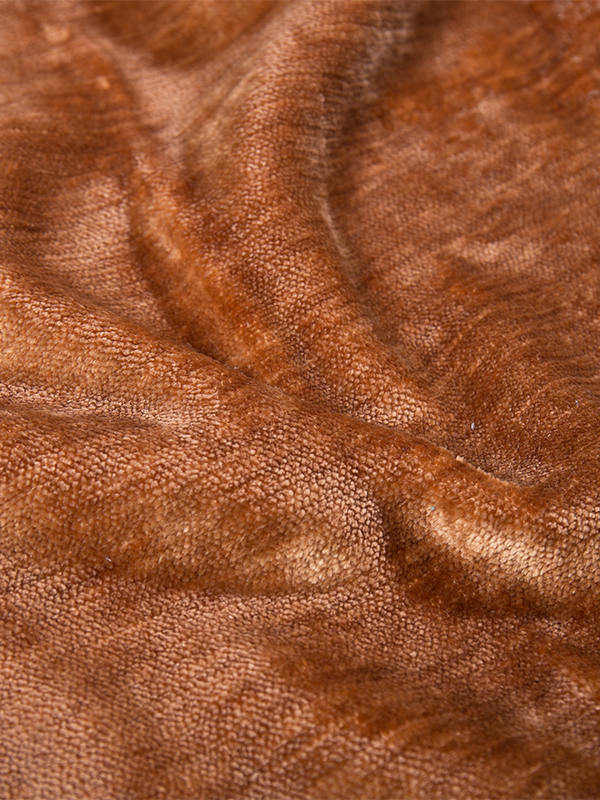
Color is another important consideration when developing a sofa collection. Warm neutrals, earthy shades, and richer tones are receiving attention in 2026 interior design discussions, while deeper colors can create a more expressive appearance.
For distributors, offering a carefully selected color range can make a fabric collection easier to adapt to different furniture styles and markets. Manufacturers can also help buyers evaluate color consistency across production batches, especially when fabric will be used for repeat sofa orders.
What Should Buyers Ask a Fabric Manufacturer?
A reliable sourcing process should begin with clear technical information rather than relying only on fabric samples. Buyers should ask about composition, usable width, weight, finishing process, color options, testing information, sample availability, and production consistency.
For sofa manufacturers, these details are directly connected to production planning. Fabric behavior during cutting, sewing, stretching, and upholstery can affect the final appearance of the finished sofa. Clear communication between the fabric supplier and furniture manufacturer can therefore reduce avoidable production adjustments.
Why Supplier Consistency Matters for Sofa Production
A fabric that looks suitable on a sample should also remain consistent when ordered in larger quantities. Variations in color, surface texture, width, or finishing can create problems when a furniture collection is produced across multiple batches.
As a manufacturer, we understand that overseas buyers need more than an attractive fabric catalogue. They also need stable specifications, responsive communication, and production support that fits their sofa manufacturing process. This is particularly important for OEM and long-term furniture supply programs where the same upholstery material may be required repeatedly.
How Can Buyers Build a More Flexible Sofa Collection?
The current furniture market is combining expressive design with practical everyday requirements. Industry reports note that upholstered furniture manufacturers are managing greater product variation, more fabric and color choices, and stronger expectations for durability and customization. This makes fabric selection an important part of product development rather than simply a finishing decision.
For buyers seeking a combination of tactile appeal, flexible styling, and application-focused specifications, Velour Fabric can be developed as part of a broader upholstery strategy. Working directly with a Sofa Fabric Factory allows furniture manufacturers and distributors to discuss material requirements, color development, production consistency, and application needs before committing to larger orders.