 English
 中文简体
中文简体 русский
 عربى
عربى Español
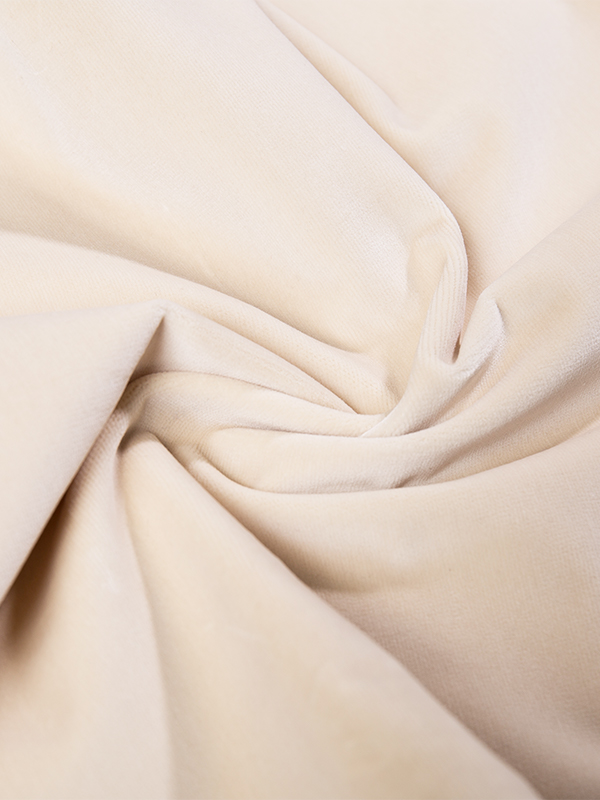
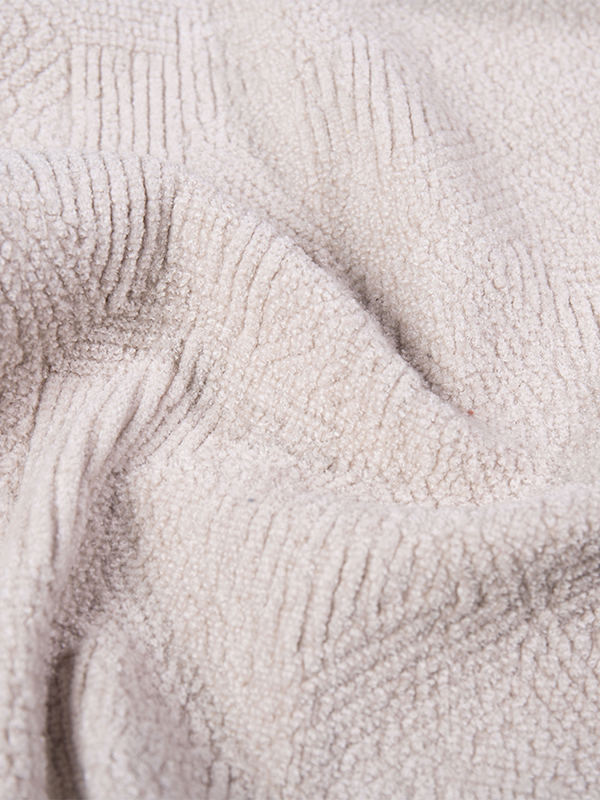
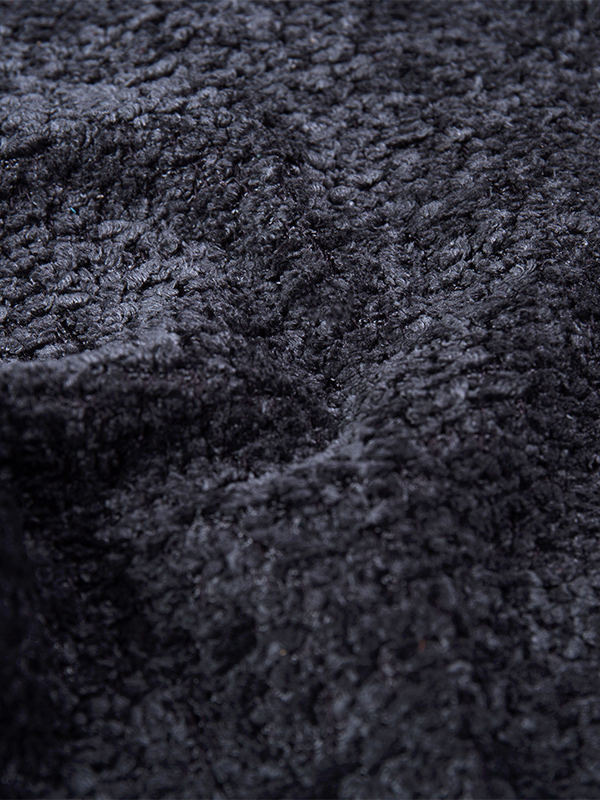
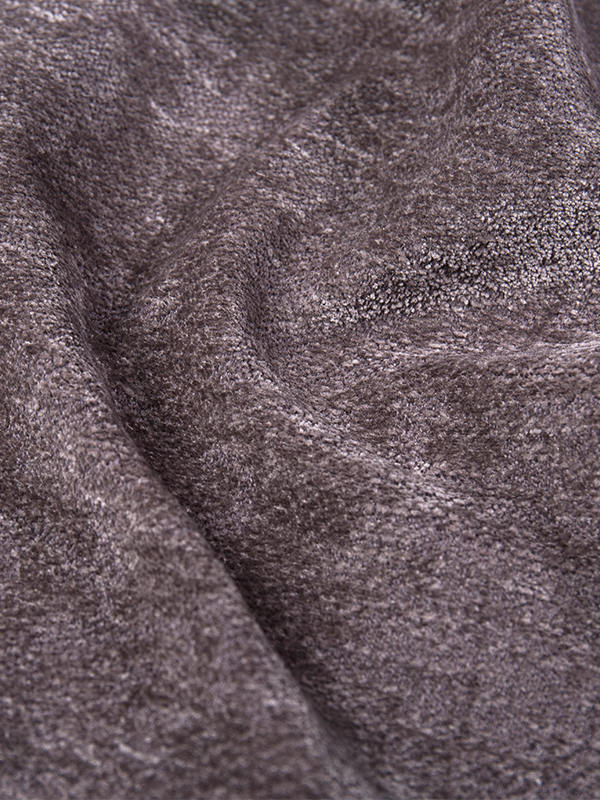
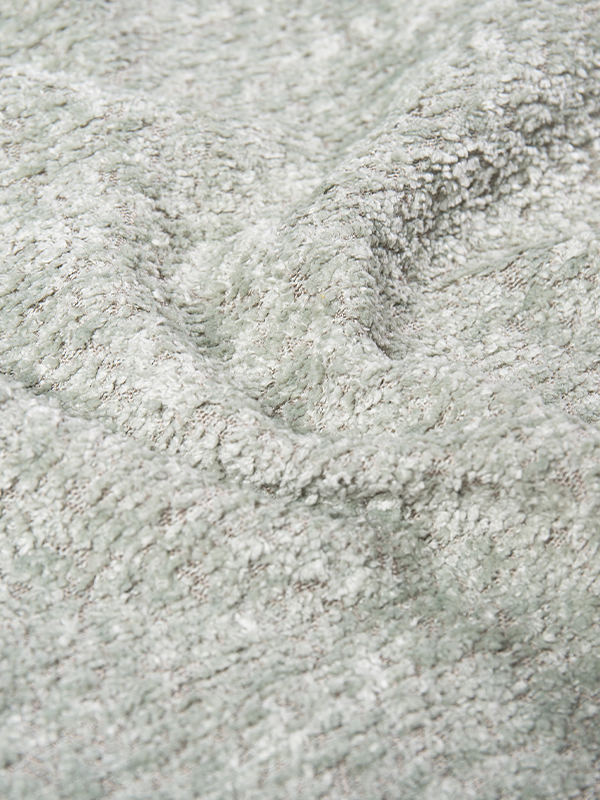
Choosing a sofa is as much about daily enjoyment as it is about long-term care. Among popular upholstery options, sofa velvet cloth stands out for its soft texture and vibrant appearance. Yet its unique pile and fiber structure raises questions about durability and cleaning — especially in busy households where comfort meets everyday wear. In this guide, we’ll explore durability realities and practical maintenance tips so you can enjoy your velvet sofa with confidence.
If you’re sourcing fabric from a reputable Sofa Fabric Factory or working with trusted suppliers like Haining Huayi Warp Knitting Co., Ltd., you’ll want to understand how different types of velvet behave and how simple care routines can extend their life.
Understanding Velvet’s Durability Profile
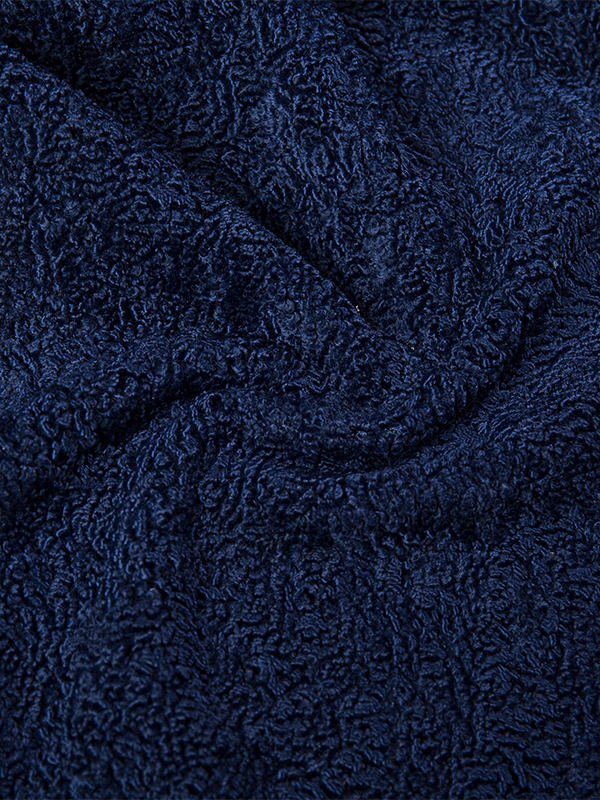
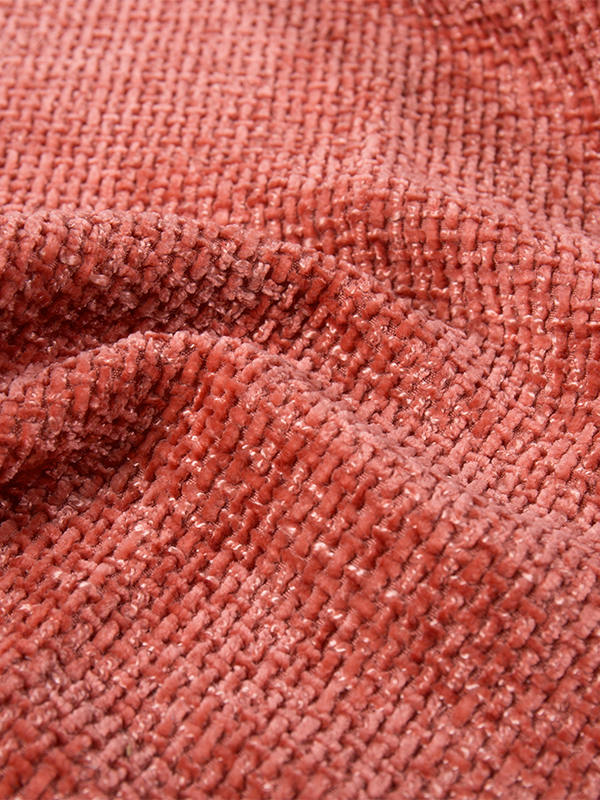
Not all velvet fabrics perform the same. The durability of velvet is largely influenced by fiber type, pile construction, and weave density. Modern engineered velvets — especially those blended with synthetic fibers — are more resilient than traditional natural velvets, making them suitable for everyday seating.
Polyester‑based velvet, for example, often delivers higher abrasion resistance and better stain performance compared with cotton or silk velvet. In some industry tests, high‑performance velvets achieve wear ratings that make them appropriate even in family rooms with frequent use — not just formal areas.
This doesn’t mean velvet can’t show marks or impressions — it means that, with thoughtful care, its appearance can be preserved longer. One common perception is that velvet is high‑maintenance, but with the right upkeep routine, many challenges are manageable and predictable.
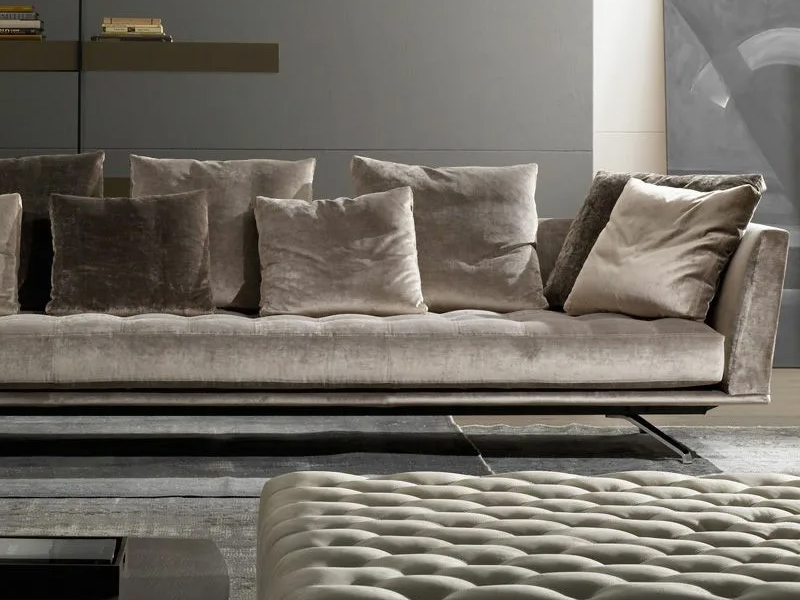
Weekly Maintenance: Simple Yet Effective
Regular maintenance protects your sofa’s surface before dirt and oils settle deep into the fibers. Here’s a simple weekly routine many homeowners find effective:
Vacuum Gently: Use a vacuum with a soft brush attachment to remove dust and debris. Always vacuum in the direction of the pile to avoid damaging the fibers.
Brush to Restore Pile: Over time, velvet can develop pressure marks where people sit often. A soft-bristle brush or gentle hand brushing helps lift the fibers and restore a more uniform appearance.
Check for Early Stains: Spotting a fresh spill within minutes makes cleaning easier and prevents deeper penetration. Immediate spotting with a clean cloth can stop stains before they set.
Regular vacuuming and brushing help preserve velvet’s plush look and delay the signs of surface wear — and because you catch dirt before it embeds, less intensive cleaning is needed in the long term.
Handling Spills and Stains the Right Way
Velvet’s dense pile can make stains appear more noticeable if not treated correctly. The general rule is: blot, don’t rub. Rubbing can push the liquid deeper or crush the fibers, causing uneven texture and marks.
Blot Liquids Quickly: Use a clean, absorbent cloth to dab excess liquid. Take care not to press hard, as this can flatten the pile.
Use Mild Solutions: For spot cleaning, use minimal amounts of mild soap mixed with lukewarm water. Avoid harsh chemicals which can strip color or weaken fibers.
Avoid Saturating Fabric: Too much moisture can leave water spots or even cause mildew. After blotting, allow the fabric to air dry naturally.
Following these steps helps ensure your velvet sofa cleaning doesn’t inadvertently create more work or compromise the fabric’s soft texture.
Dealing With Crushing and Marks
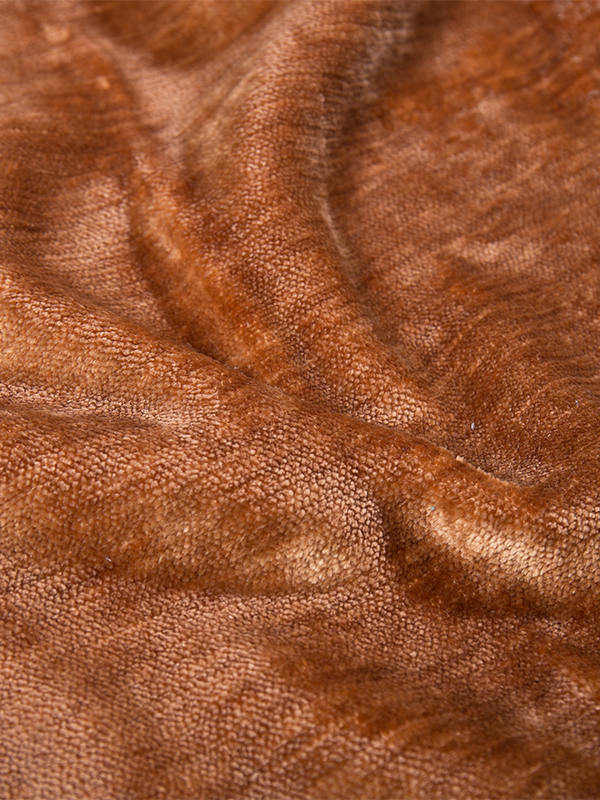
One of the more common concerns with velvet upholstery is pile crushing — the temporary flattening of fibers where contact is frequent. This isn’t necessarily wear; it often means the pile has shifted direction.
To address this:
Steam Carefully: A handheld steamer (used on a low setting) can help lift the fibers and reduce the appearance of pressure marks.
Brush After Cleaning: After stain removal or vacuuming, gently brush the area in the direction of the pile for a consistent look.
Rotate Cushions: With sectional sofas or pieces with removable cushions, rotating positions regularly helps distribute wear evenly.
These simple steps help manage visual changes that might otherwise appear as permanent damage.
Protecting Velvet Over Time
Beyond weekly and immediate care, broader strategies help maintain your velvet sofa’s appearance over the years:
Avoid Direct Sunlight: Prolonged exposure to strong sunlight can fade colors and weaken fibers. Consider curtains, blinds, or furniture placement that shields your velvet from harsh UV.
Professional Deep Cleaning: Scheduling a deeper cleaning once a year (or as needed for heavy use areas) helps lift embedded dirt and refresh the pile more effectively than home routines alone.
Use Slipcovers or Throws: In homes with pets or frequent guests, protective layers can help shield high‑contact areas from spills and abrasion.
These approaches don’t just protect the fabric; they support a sofa that continues to look plush and inviting through everyday life.
If you’re exploring fabric options, working with reliable supply partners — whether locally sourced or through a trusted Sofa Fabric Factory — and pairing those choices with smart care practices makes a meaningful difference. With a bit of thoughtful maintenance, velvet upholstery can remain a striking and comfortable centerpiece in any home.