 English
 中文简体
中文简体 русский
 عربى
عربى Español
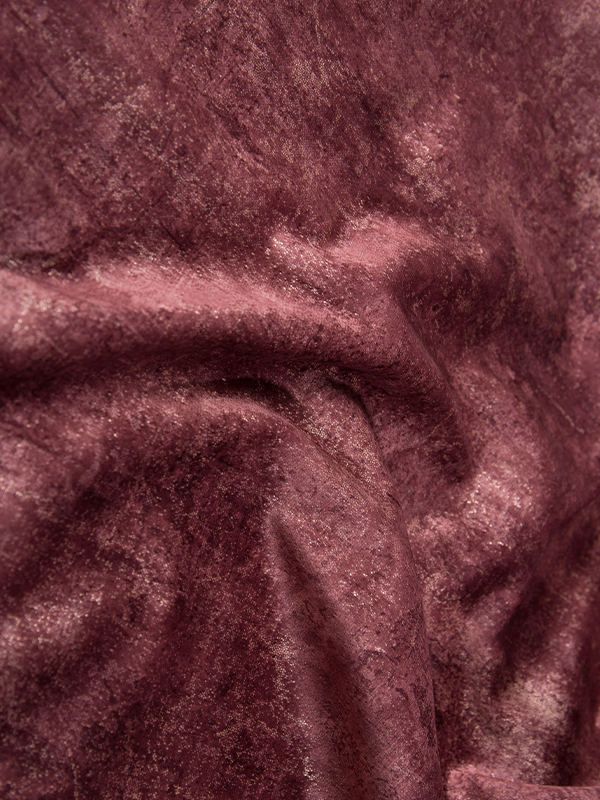
Across global interior design, fashion manufacturing, and automotive upholstery sectors, demand for visually striking yet functional textiles is steadily increasing. A Bronzing Fabric is gaining attention among designers and procurement teams who are searching for materials that combine metallic visual effects with practical durability. Recent industry discussions on social platforms and design forums highlight growing interest in metallic coated upholstery fabric, reflective decorative textile for furniture, and high-end fashion surface material with foil effect. Buyers are no longer focused only on appearance—they are evaluating wash resistance, coating stability, color consistency, and long-term surface performance. As a manufacturer, we see a clear shift toward engineered decorative fabrics that balance aesthetics with industrial usability.
Why Metallic Finish Textiles Are Gaining Market Attention
The rise of luxury minimalism and futuristic interior design trends has significantly increased demand for metallic surface materials. Designers are using reflective textiles to create visual depth in furniture, wall coverings, handbags, and automotive interiors.
Unlike traditional printed fabrics, bronzing processes create a layered metallic effect that interacts with lighting conditions. This makes the material particularly attractive for commercial spaces such as hotels, retail stores, and exhibition booths where visual impact is critical.
Durability Expectations Are Higher Than Ever
While appearance is important, buyers are increasingly concerned about long-term performance. Many early-generation metallic fabrics suffered from peeling, fading, or cracking after repeated use. Modern procurement teams now actively search for solutions that address these issues.
Key performance expectations include:
- Strong adhesion between metallic layer and base fabric
- Resistance to surface cracking under folding or stretching
- Color stability under UV exposure
- Washability for upholstery and wearable applications
- Consistent texture across production batches
These factors directly influence purchasing decisions in both fashion and interior markets.
Application Expansion Beyond Traditional Upholstery
Originally used mainly in decorative textiles, bronzing materials are now being applied across a much wider range of industries. This expansion is driven by demand for visually distinctive materials in competitive consumer markets.
Typical application areas include:
- Luxury furniture upholstery and decorative panels
- Fashion items such as handbags and footwear accents
- Automotive interior trim and dashboard surfaces
- Stage design and event decoration materials
- Retail display and visual merchandising installations
This diversification has increased demand for flexible production capabilities and material customization.
Color Stability and Surface Engineering Challenges
One of the discussed technical concerns among buyers is how metallic coatings behave under real-world conditions. Heat, friction, and cleaning processes can all affect surface quality if the coating system is not properly engineered.
As a manufacturer, we focus on controlling:
- Coating thickness uniformity across fabric rolls
- Adhesion strength between metallic layer and textile base
- Heat resistance during shaping and molding processes
- Anti-oxidation treatment for long-term color stability
- Controlled embossing for texture consistency
These technical controls help ensure stable performance across different applications and climates.
OEM Customization for Brand Differentiation
Global buyers increasingly request customized bronzing solutions to support brand identity. Instead of standard finishes, they are looking for materials that align with specific design concepts and product positioning.
Common customization requests include:
- Custom metallic shades and gradient effects
- Different base fabrics such as polyester, velvet, or knit structures
- Embossed patterns for unique surface texture
- Application-specific coating thickness adjustments
- Private label production for fashion and furniture brands
This level of customization allows brands to differentiate products in highly competitive markets.
Sustainability and Material Safety Considerations
Environmental compliance is becoming an important factor in material selection, particularly in European and North American markets. Buyers are evaluating chemical safety, solvent usage, and production emissions as part of their sourcing criteria.
Manufacturers are increasingly expected to provide safer coating technologies and improved production control to meet evolving regulatory expectations without compromising visual quality.
From Decorative Material to Engineered Surface Solution
The role of metallic textiles is evolving from purely decorative use to engineered functional surfaces that combine aesthetics with durability and application flexibility. Buyers now expect technical documentation, consistent quality, and scalable production capability alongside visual performance.
As global design trends continue to evolve toward futuristic and high-impact visual materials, demand for reliable Bronzing Fabric solutions will continue to grow, especially in sectors that require strong visual identity, durable surface performance, and flexible OEM customization options.