 English
 中文简体
中文简体 русский
 عربى
عربى Español
The textile and fashion industries are continuously exploring new ways to combine visual appeal, material performance, and product differentiation. As brands compete in markets such as apparel, home decoration, packaging, and accessories, buyers are increasingly searching for materials that can provide unique surface effects without complicated processing. Trends such as metallic textile design, premium decorative fabric materials, and customized fabric solutions show that designers and manufacturers are paying more attention to fabrics with special visual characteristics. As a professional textile manufacturer, we understand that Bronzing Fabric is not only a decorative material but also an effective solution for brands looking to improve product appearance, create distinctive designs, and meet changing market preferences.
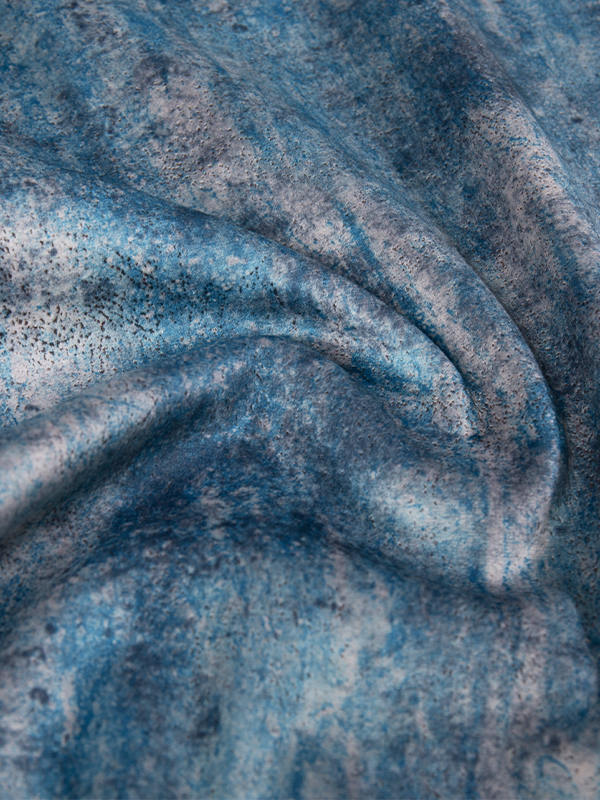
For overseas buyers, selecting the right decorative fabric supplier requires consideration of appearance consistency, processing compatibility, application requirements, and customization capability.
Why Decorative Fabrics Are Gaining Attention in Global Markets
Consumers today are looking for products with stronger visual identity. Whether in fashion, interior decoration, or gift packaging, surface design has become an important factor influencing purchasing decisions.
Brands are focusing on:
- Unique surface textures
- Premium visual effects
- Material differentiation
- Flexible design possibilities
- Better product presentation
Decorative fabrics help manufacturers create products that stand out while maintaining practical application value.
Understanding the Manufacturing Advantages of Bronzing Technology
Bronzing technology creates a special metallic or glossy surface effect by applying decorative layers onto fabric materials. The process requires careful control to achieve consistent results.
Important manufacturing considerations include:
- Fabric base material selection
- Adhesion performance of decorative layers
- Surface smoothness
- Color consistency
- Processing compatibility
A professional manufacturer needs to balance appearance and practical performance during production.
How Material Selection Influences Final Product Performance
Different applications require different fabric characteristics. A material suitable for fashion accessories may have different requirements compared with home decoration products.
Buyers usually consider:
- Fabric flexibility
- Surface appearance
- Thickness requirements
- Processing methods
- Application environment
Understanding these differences allows manufacturers to provide more suitable solutions for different industries.
Applications Across Fashion, Packaging, and Interior Industries
Bronzing decorative materials are used in various industries because they provide attractive surface effects and design flexibility.
Common applications include:
- Fashion garments
- Handbags and accessories
- Decorative home textiles
- Gift packaging materials
- Creative design products
For brands, these materials offer more options for developing products with distinctive visual styles.
Why Custom Fabric Solutions Matter for Global Buyers
Different markets have different design preferences and production requirements. International buyers often need suppliers who can provide customized solutions instead of standard materials only.
Customization services may include:
- Different color effects
- Various fabric base options
- Customized specifications
- Application-based recommendations
- Sample development support
A manufacturer with flexible production capability can help customers achieve their specific design goals.
Quality Control Ensures Consistent Textile Performance
For textile distributors and product manufacturers, stable quality is essential. Inconsistent surface effects or material performance may affect the final product appearance.
Professional quality management includes:
- Raw material inspection
- Production process monitoring
- Surface effect checking
- Color evaluation
- Finished product inspection
These procedures help maintain consistency across different production batches.
Choosing the Right Fabric Supplier for Long-Term Cooperation
For overseas brands, supplier selection is not only about product availability but also about technical support and production reliability. A capable manufacturer should understand application requirements and provide solutions based on customer needs.
Important supplier capabilities include:
- Textile production experience
- Custom development ability
- Stable manufacturing processes
- Quality management systems
- Effective communication with international buyers
A reliable partnership helps brands develop products more efficiently and respond to market changes.
Future Trends in Decorative Textile Development
As fashion and consumer products continue moving toward personalization and creative design, decorative fabrics will remain an important material choice for brands seeking differentiation. Manufacturers are focusing on improving processing techniques, expanding design possibilities, and providing more flexible solutions for global markets.
For companies looking for professional decorative textile partners, cooperating with an experienced supplier of Bronzing Fabric can help create attractive product designs, support customized development, and provide reliable material solutions for fashion, decoration, and creative industries.