 English
 中文简体
中文简体 русский
 عربى
عربى Español
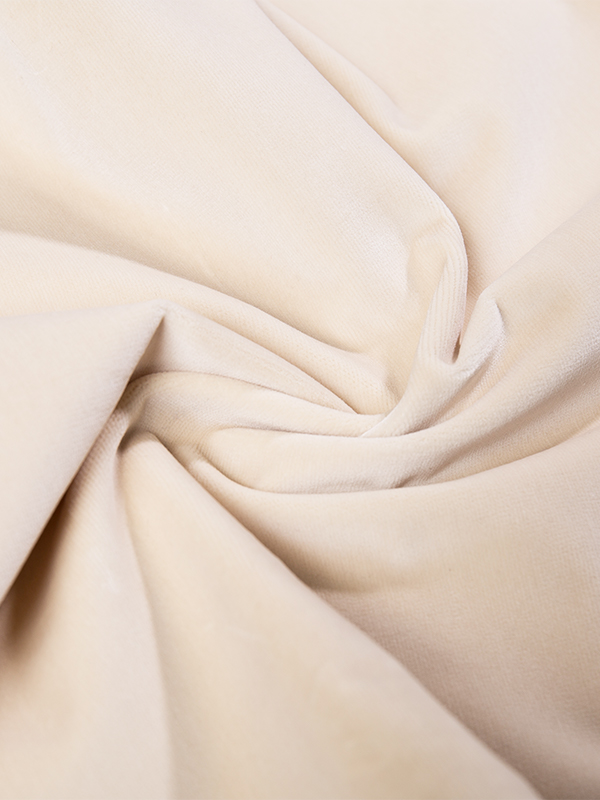
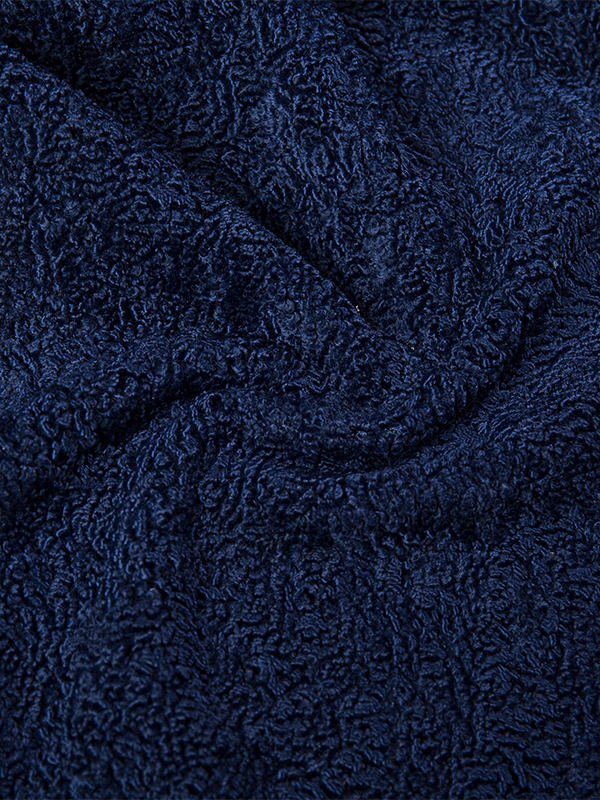
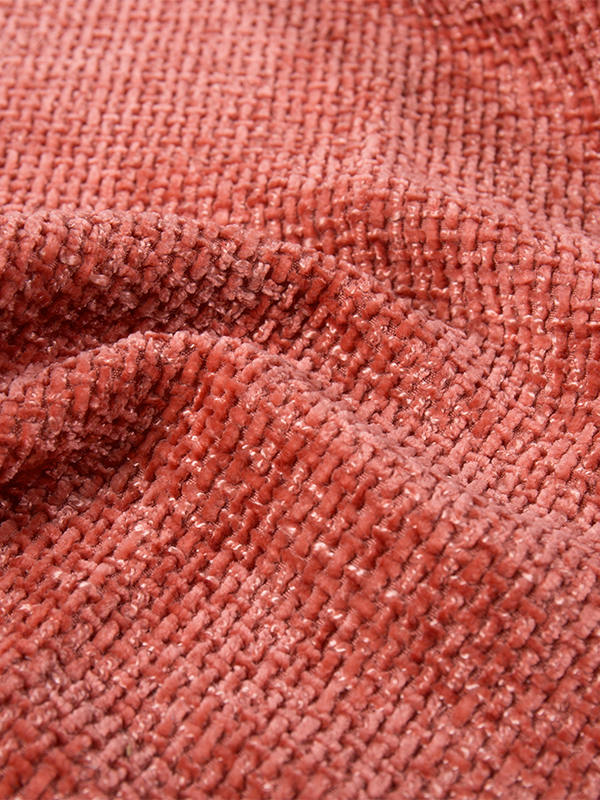
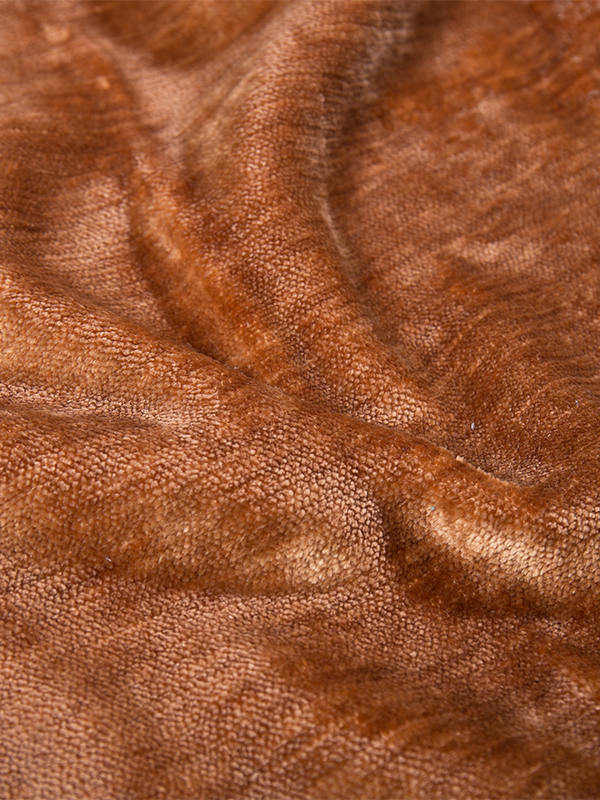
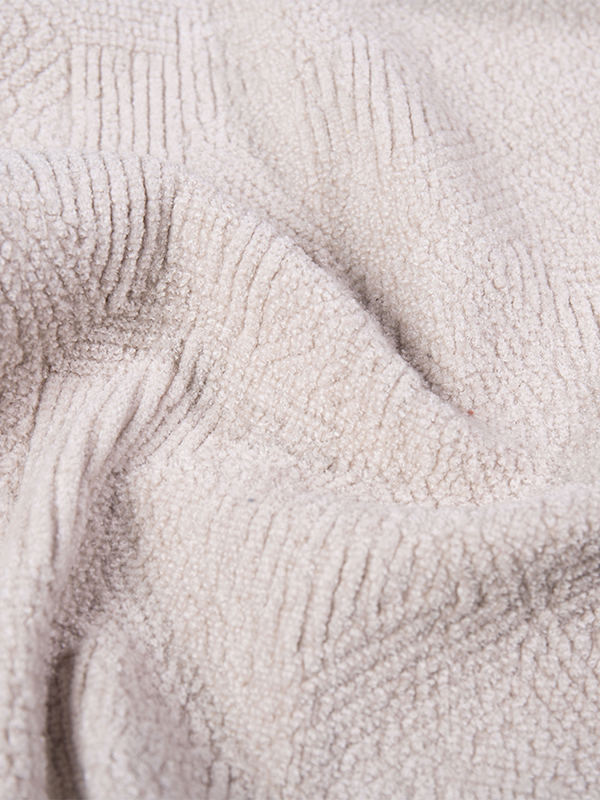
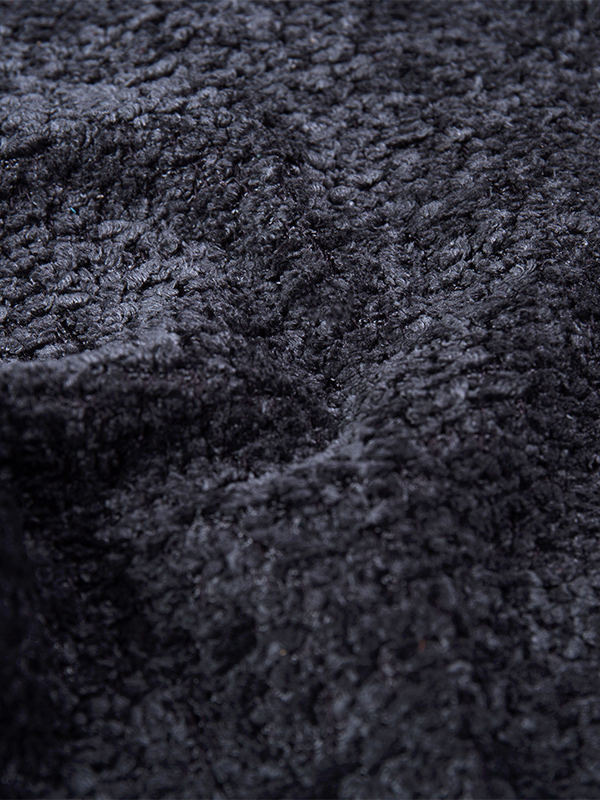
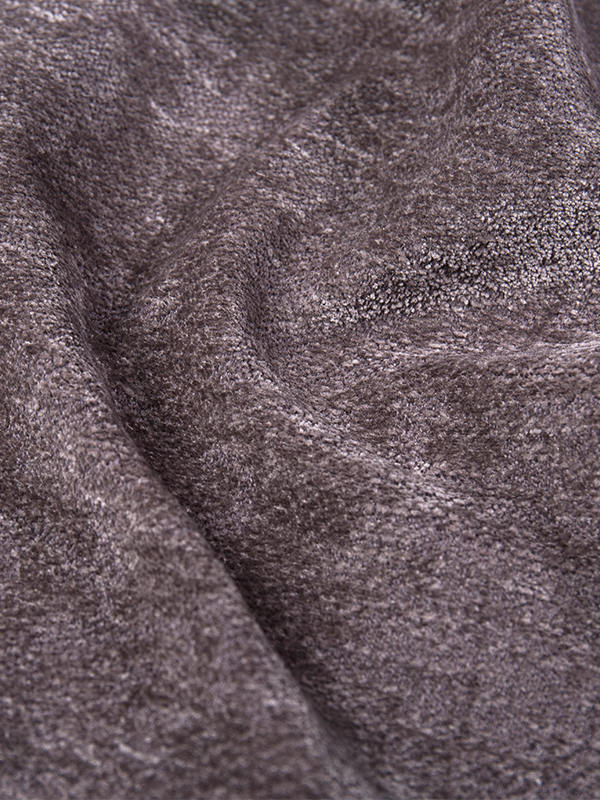
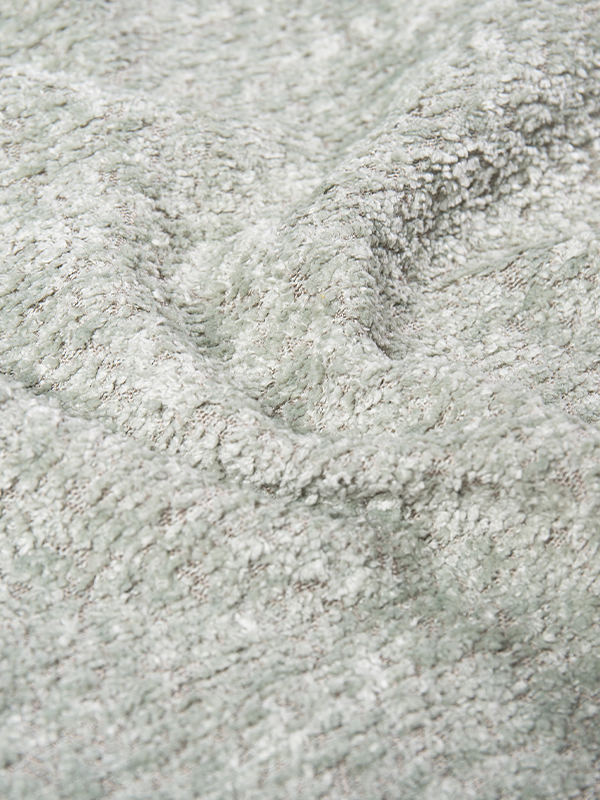
As fashion collections become more diverse and product development cycles become shorter, textile buyers are looking for materials that combine attractive visual effects with practical production advantages. Recent search trends such as custom metallic fabric supplier, decorative textile for apparel manufacturing, foil finish fabric for upholstery, and OEM bronzing fabric factory show that brands are paying greater attention to fabrics that integrate smoothly into existing manufacturing processes. As a professional textile manufacturer, we have found that Bronzing Fabric is increasingly chosen not only for its decorative appearance but also for its versatility across fashion, home textiles, bags, and promotional products.
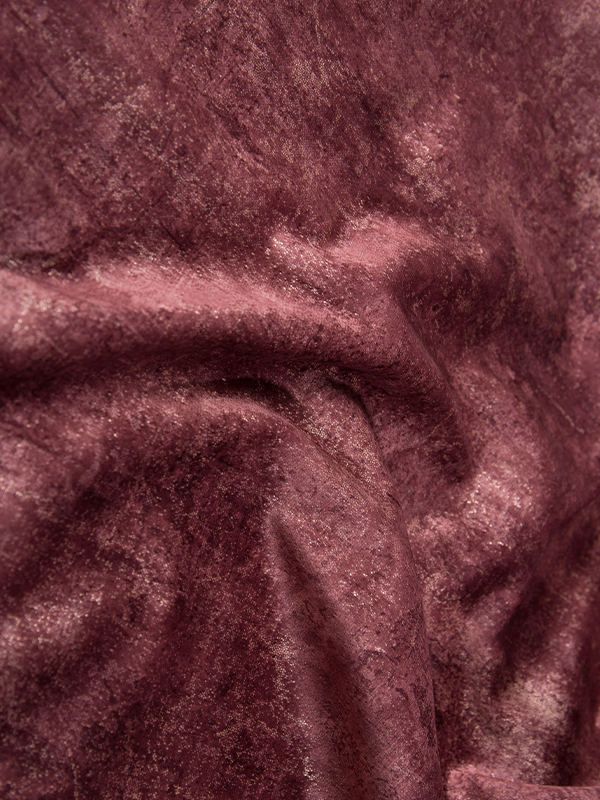
For international brands and fabric distributors, selecting the right decorative textile means balancing design creativity, production efficiency, and long-term supply consistency.
Why Product Development Teams Prefer Versatile Fabrics
Modern brands often launch multiple collections each year, making flexibility an important consideration when choosing textile materials. Instead of sourcing completely different fabrics for every project, many designers look for materials that can be adapted to various styles.
A versatile decorative fabric can support:
- Seasonal fashion collections
- Interior decoration products
- Lifestyle accessories
- Retail promotional items
- Limited-edition product launches
This flexibility helps brands shorten product development while maintaining a consistent design language.
Manufacturing Compatibility Reduces Production Challenges
Decorative fabrics should work efficiently with downstream manufacturing processes. Buyers often evaluate whether the fabric can be integrated into existing production lines without requiring significant equipment adjustments.
Important considerations include:
- Smooth cutting performance
- Stable sewing compatibility
- Consistent surface finish
- Easy pattern positioning
- Reliable handling during production
When decorative materials are compatible with standard manufacturing methods, production planning becomes more efficient.
Surface Effects That Support Premium Product Positioning
The visual impact of a product often influences a customer's impression. Metallic finishes continue to appear in fashion trends because they create depth, highlight details, and complement both modern and classic designs.
Depending on product positioning, brands may choose:
- Soft metallic accents
- Satin-inspired finishes
- High-contrast decorative effects
- Subtle reflective textures
- Pattern-based bronzing designs
These options allow designers to create collections that appeal to different customer segments without changing the product structure itself.
Why OEM Customization Is Increasingly Important
Private-label brands and international distributors rarely require identical specifications. They often seek manufacturing partners capable of adapting products to their own collections.
OEM customization may include:
- Custom color development
- Different fabric compositions
- Exclusive embossed or bronzing patterns
- Roll width adjustments
- Retail-ready packaging solutions
A manufacturer with flexible production capabilities can better support brands entering different international markets.
Quality Control Creates More Predictable Results
For decorative fabrics, consistency is one of the important purchasing factors. Variations between production batches may affect the appearance of finished garments or home textile products.
Professional quality management focuses on:
- Raw material verification
- Process parameter monitoring
- Surface appearance inspection
- Color consistency evaluation
- Final roll inspection before shipment
Systematic quality control helps buyers maintain product consistency across multiple production orders.
Industries Driving Demand for Decorative Fabrics
The application range of decorative textiles continues to expand beyond traditional apparel manufacturing.
Growing markets include:
- Fashion clothing
- Upholstered furniture
- Decorative cushions
- Footwear and handbags
- Event decoration products
- Premium gift packaging
This broad application potential allows distributors to serve multiple industries using a diversified decorative fabric portfolio.
Selecting a Manufacturing Partner for Long-Term Growth
Today's textile buyers value suppliers that offer technical expertise alongside stable manufacturing. Strong communication, flexible customization, and reliable production management are becoming important competitive advantages.
As decorative textile applications continue expanding, partnering with an experienced Bronzing Fabric manufacturer enables brands to develop differentiated products, simplify sourcing, and respond more effectively to changing market trends. A reliable manufacturing partner can support both creative design objectives and efficient production, helping customers build stronger product collections for global markets.