 English
 中文简体
中文简体 русский
 عربى
عربى Español
Durability, comfort, and appearance are at the top of the list when someone searches about polyester sofa fabric and also explores patterns like printing sofa fabrics. Understanding what this material is made of helps homeowners, interior designers, and upholstery professionals evaluate performance for everyday use.
Core Composition of Polyester Sofa Fabric
Polyester sofa fabric is a synthetic material produced through a polymerization process combining purified terephthalic acid (PTA) and monoethylene glycol (MEG). This chemical reaction forms long polyester chains that are then spun into fibres and converted to yarn. These yarns can be woven, knitted, or tufted into various textiles suitable for sofas and upholstered furniture. These fibres are inherently strong, resistant to shrinking and stretching, and can be engineered with specific finishes for extra performance qualities.
When manufacturing sofa coverings or decorative pattern layers, printing sofa fabrics allows for aesthetic versatility. Printing technologies can apply colour-fast pigments or designs while preserving fabric strength and surface integrity, making the upholstery both functional and visually appealing.
Why Polyester Is Favoured for Upholstery
Durability is one of the principal reasons polyester becomes a go-to choice for sofas in family rooms, public spaces, and commercial environments. High-quality polyester fabric exhibits resistance to fading and abrasion, and it can maintain shape under frequent use. Polyester fibres do not wrinkle like many natural materials and resist distortion over time.
For manufacturers such as Haining Huayi Warp Knitting Co., Ltd., polyester’s adaptability to warp knitting and finishing processes means a broad range of textures, weights, and surface treatments can be produced. These include smooth, tightly woven textiles that withstand daily wear and performance coatings that repel spills and resist pilling.
Structural Characteristics That Affect Performance
Polyester sofa fabric’s performance is not solely about fibre type — weave structure plays a significant role too. Tight weaves generally yield higher abrasion resistance and better longevity, whereas looser weaves can offer more softness or drape. Rugged upholstery often targets at least 25,000–30,000 double-rub scores in abrasion tests like Martindale or Wyzenbeek to qualify for standard residential or moderate commercial use.
Besides abrasion resistance, colour retention under sunlight and repeated cleaning matters. Solution-dyed polyester — where colour is embedded at the fibre stage — tends to retain vibrancy longer than surface-dyed alternatives after extended exposure to light and real-world use.
Advantages in Everyday Use
Many users ask what makes polyester reliable for everyday sofas. Here are several performance benefits:
- Stain resistance: Polyester fibres do not readily absorb water-based spills, allowing easier cleaning and stain control than many natural fibres.
- Fade resistance: Proper finishes help maintain colour saturation over time, even in sunlit rooms.
- Shape stability: Unlike cotton or linen, polyester resists shrinkage and distortion, keeping upholstery surfaces taut and neat for extended periods.
- Printing compatibility: Advances in printing technologies allow for vivid patterns and custom designs on polyester fabrics without weakening the textile structure.
These features make polyester an appealing option for busy households, hospitality environments, and high-traffic settings where aesthetic and functional performance must align.
Common Misunderstandings About Polyester Upholstery
Despite its advantages, misconceptions still surface among consumers and industry professionals:
“Polyester is cheap and low quality.” High-grade polyester upholstery isn’t defined by price alone. Quality depends on fibre grade, yarn density, weave structure, and finishing details — all of which determine longevity and tactile performance.
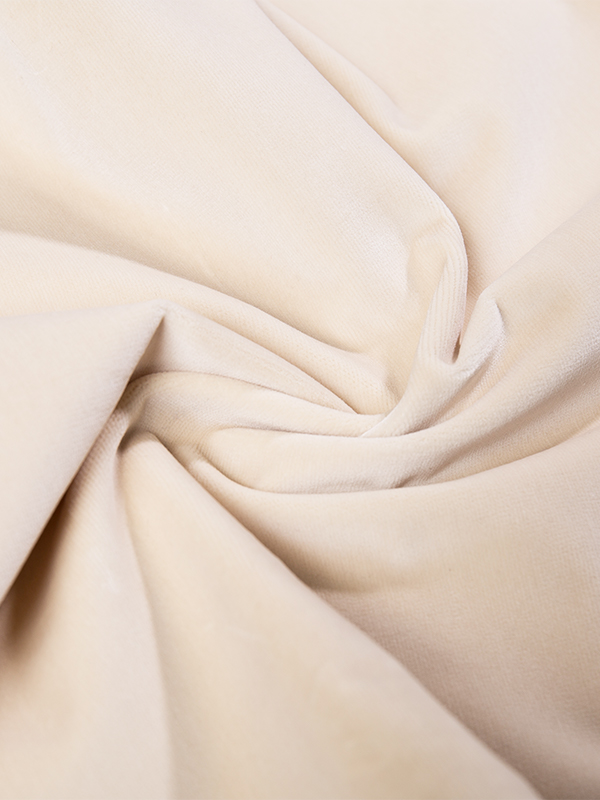
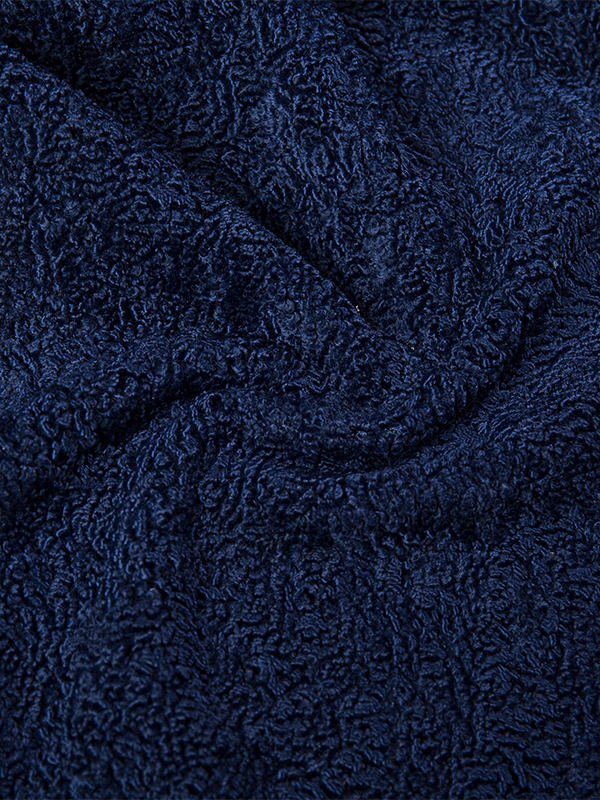
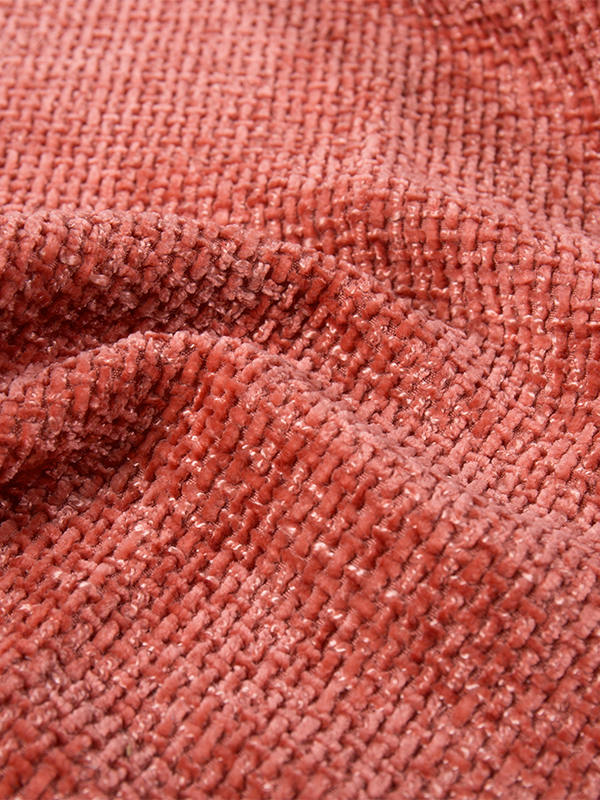
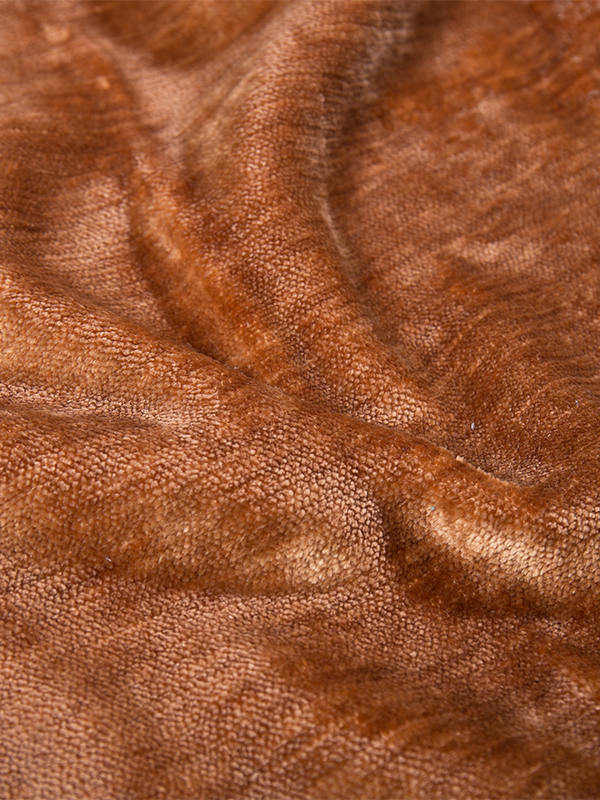
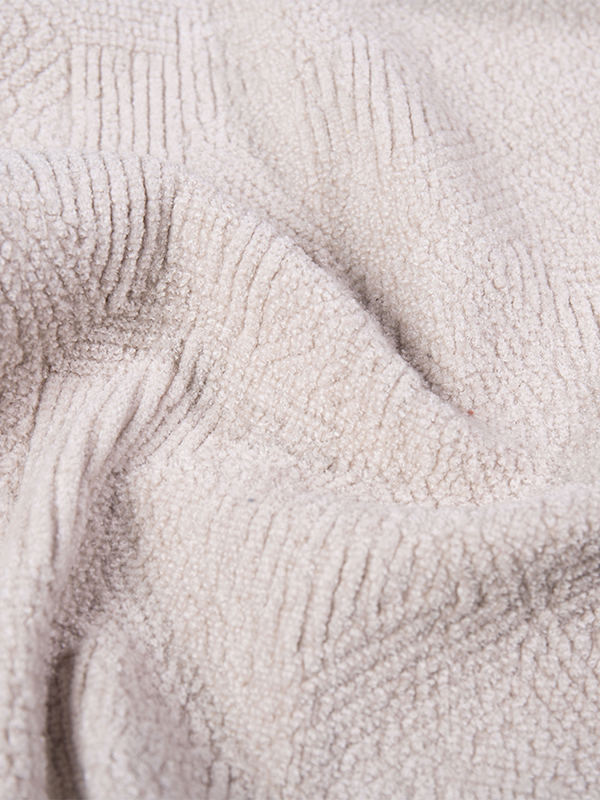
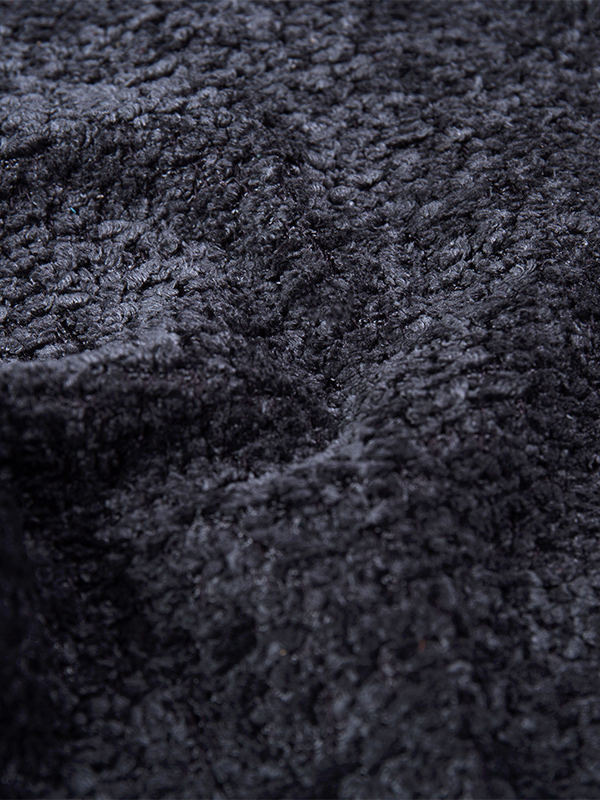
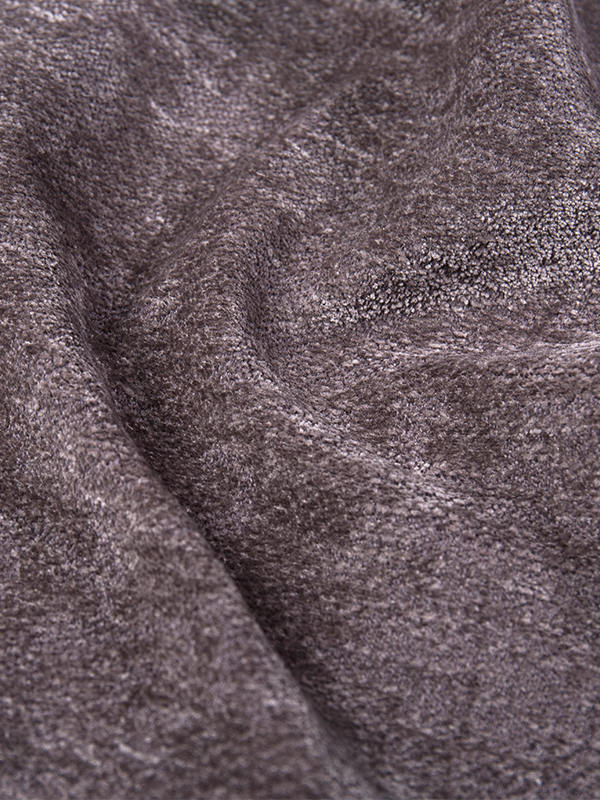
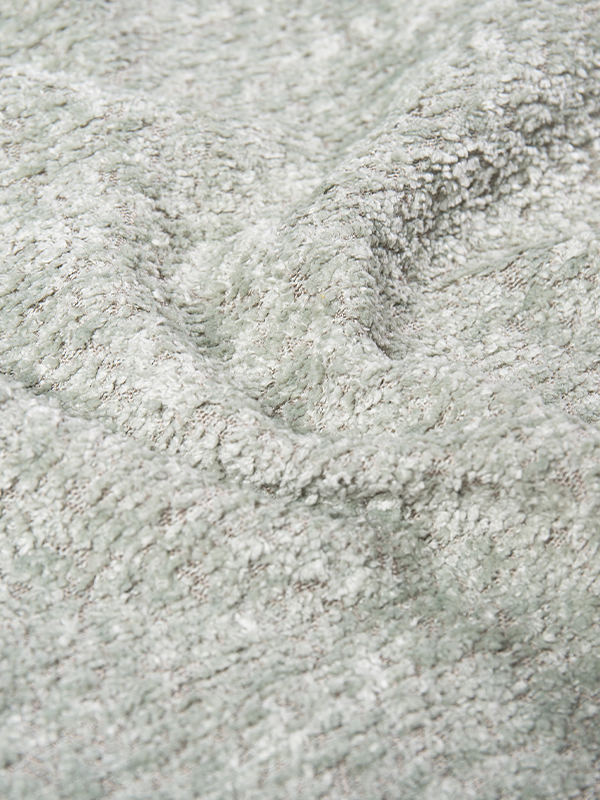
“All polyester furniture feels the same.” Variation in yarn treatments, weaving techniques, and finishing coatings produce vastly different tactile and visual outcomes, from soft velvety surfaces to firm, patterned weaves.
Grasping what polyester sofa fabric is made of — from chemical composition to weaving and finishing — gives you an informed foundation for choosing upholstery that meets both your design goals and practical needs. Whether you are considering a classic solid-coloured cover or stylish printed patterns like those found in printing sofa fabrics, understanding these material fundamentals can contribute to more satisfying and longer-lasting results.