 English
 中文简体
 русский
 عربى
 Español

Furniture sold across international markets often faces different environmental conditions. A sofa designed for a dry residential interior may be used in a humid coastal home, an air-conditioned hotel, or a commercial space with frequent temperature changes. These differences can influence how upholstery materials perform over time. For furniture manufacturers, wholesalers, and importers, selecting Print Fabric requires more than comparing patterns and colors. Buyers also need to understand how fiber composition, moisture exposure, sunlight, cleaning methods, and fabric finishing affect the suitability of printed upholstery for different markets.
Understand How Humidity Affects Upholstery Materials
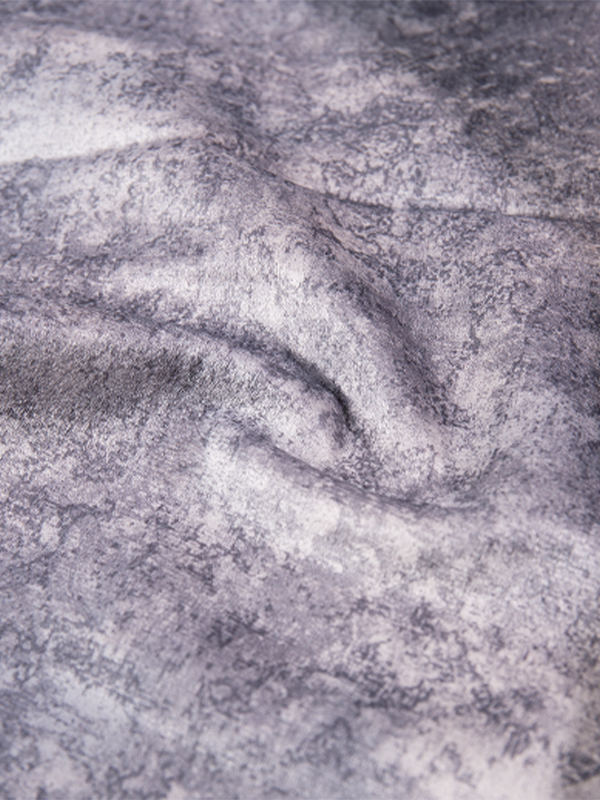
Humidity is an important consideration when selecting sofa fabric for tropical and coastal markets. In environments with limited ventilation, moisture can affect the condition of upholstery and the surrounding furniture structure.
Different fiber compositions respond differently to moisture. Some materials absorb more moisture, while others may dry more quickly depending on their construction and finishing. Buyers should consider the expected indoor environment and ask suppliers for relevant material information before making a purchasing decision.
It is also important to remember that fabric alone cannot prevent every moisture-related problem. Foam, furniture frames, room ventilation, and cleaning practices all contribute to the overall condition of a sofa.
Consider Sunlight Exposure When Selecting Printed Colors
Sofas placed near large windows, glass doors, or outdoor-facing spaces may receive regular sunlight. Over time, exposure to light can affect the appearance of upholstery, particularly when furniture is positioned in areas with strong direct sunlight.
For printed fabrics, colorfastness is an important factor because different colors and printing systems may respond differently to light exposure. Buyers should ask about available lightfastness test results and consider whether the intended furniture will be used in a sun-exposed environment.
Color selection also matters. Some designs may show gradual color changes more noticeably than others, depending on their pattern and color distribution.
Match Fabric Composition With Regional Usage Needs
International furniture buyers often source products for several markets, each with different customer expectations and usage conditions. A fabric suitable for a decorative living room sofa may not be the option for frequently used family seating.
When comparing materials, buyers should examine:
- Fiber composition and moisture response
- Surface texture and resistance to everyday friction
- Colorfastness to light and rubbing
- Pilling and abrasion performance
- Recommended cleaning methods
These characteristics should be evaluated together rather than treating one specification as the only indicator of fabric suitability.
Evaluate Cleaning Requirements Before Bulk Purchasing
Cleaning habits vary between households and commercial facilities. Some customers prefer vacuum cleaning and occasional spot treatment, while hotels and rental properties may require more frequent upholstery maintenance.
Printed sofa fabric should therefore be selected according to its recommended cleaning method. Buyers should confirm whether the material is suitable for water-based cleaning, professional upholstery cleaning, or other specified maintenance procedures.
Testing a sample with the intended cleaning method can help identify potential changes in color, texture, or surface appearance. Manufacturers should provide clear care instructions so that distributors and retailers can communicate maintenance requirements accurately to end users.
Pay Attention to Fabric Finishing and Production Consistency
Finishing treatments can influence the hand feel, appearance, and practical characteristics of upholstery fabric. However, buyers should avoid assuming that every finishing option provides the same performance across different fabric constructions.
For example, a treatment intended to improve surface properties should be assessed in relation to the fiber composition, printing process, and final application. Buyers can request technical information about the finishing process and available test results to understand what the material is designed to achieve.
Production consistency is equally important. Differences in color appearance, pattern alignment, or finishing between batches may become noticeable when furniture from the same collection is displayed together.
Request Application-Based Samples and Testing
A small fabric swatch can help buyers assess color and texture, but it may not provide enough information about actual upholstery performance.
For a more reliable evaluation, procurement teams should request samples large enough to assess pattern placement and surface behavior. Where necessary, relevant tests can be discussed based on the intended furniture application, including abrasion resistance, colorfastness, and pilling.
Buyers should also clarify whether the test results relate to the same fabric construction and finishing specification being considered for bulk production. This helps avoid making purchasing decisions based on unrelated material samples.
Choose a Supplier That Understands International Requirements
Serving different markets requires manufacturers to understand that fabric selection is influenced by more than design preferences. Climate conditions, furniture usage, cleaning expectations, and local buyer specifications all affect material suitability.
An experienced Sofa Fabric Factory should be able to communicate clearly about fabric composition, printing options, finishing treatments, sample development, and production requirements. For overseas buyers, this technical communication helps reduce uncertainty during sourcing and product development. By evaluating environmental conditions alongside appearance and performance, furniture brands and distributors can select Print Fabric that better matches their target markets and intended upholstery applications.