 English
 中文简体
中文简体 русский
 عربى
عربى Español
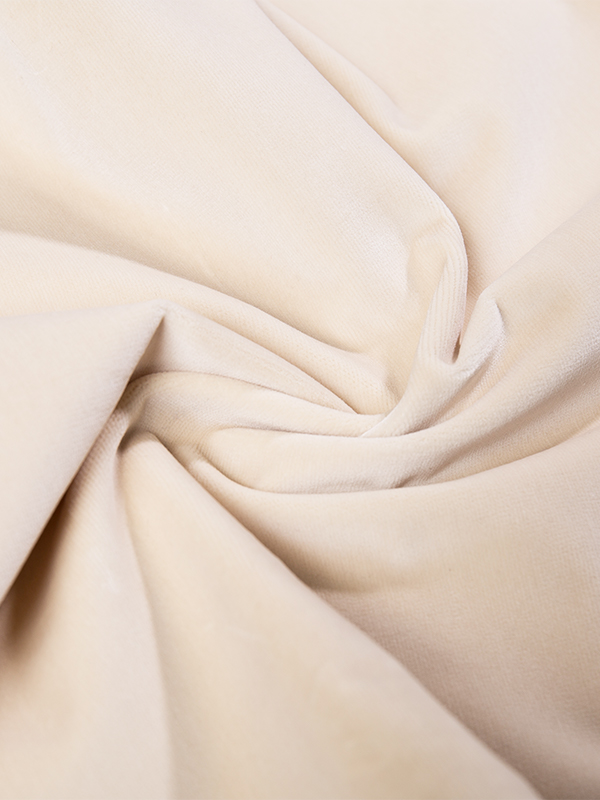
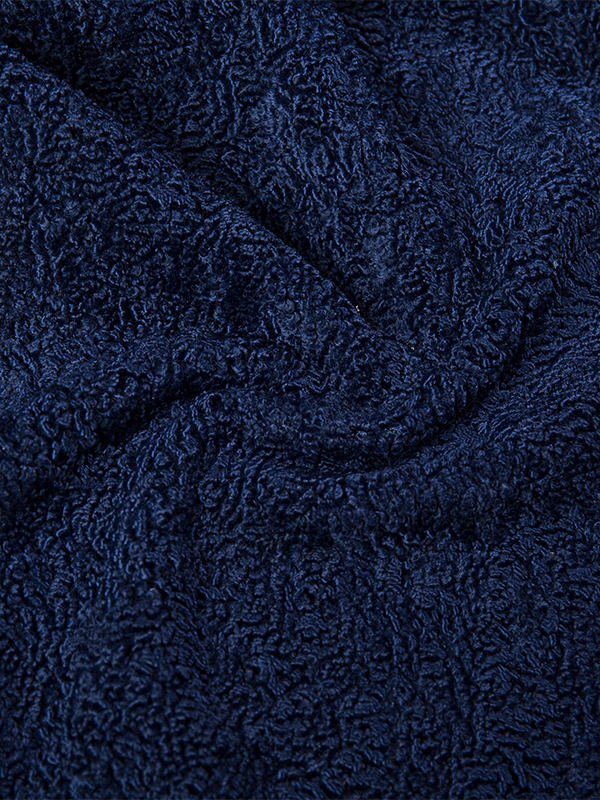
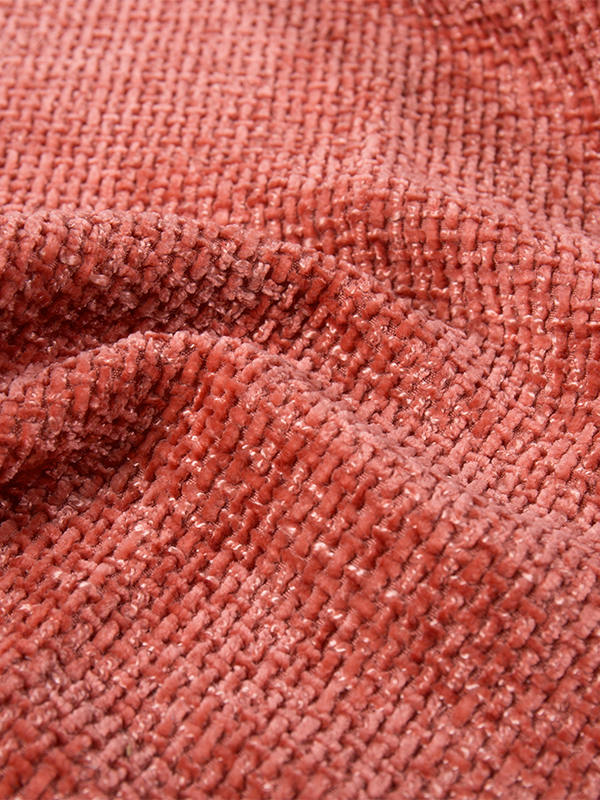
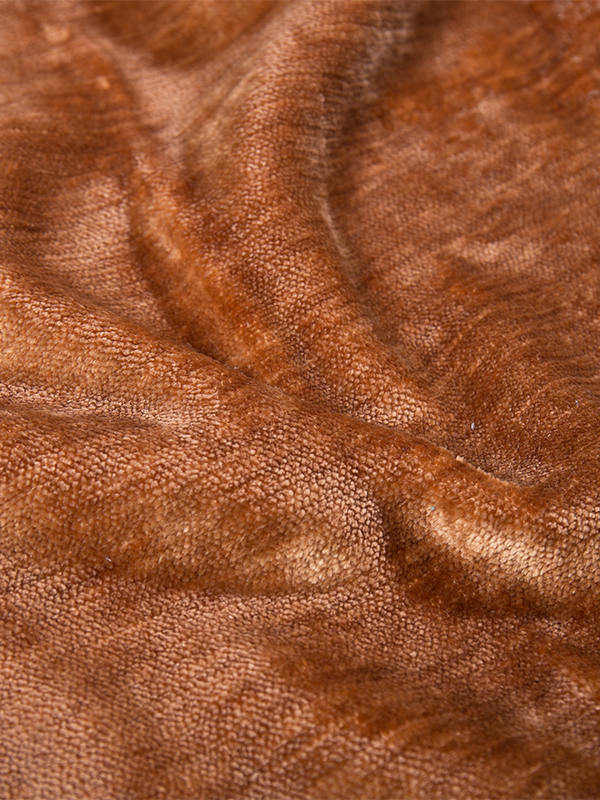
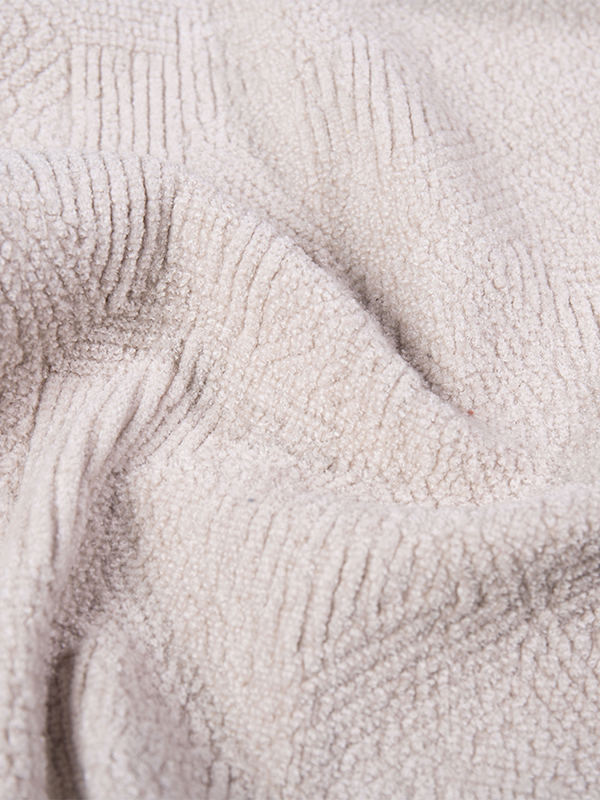
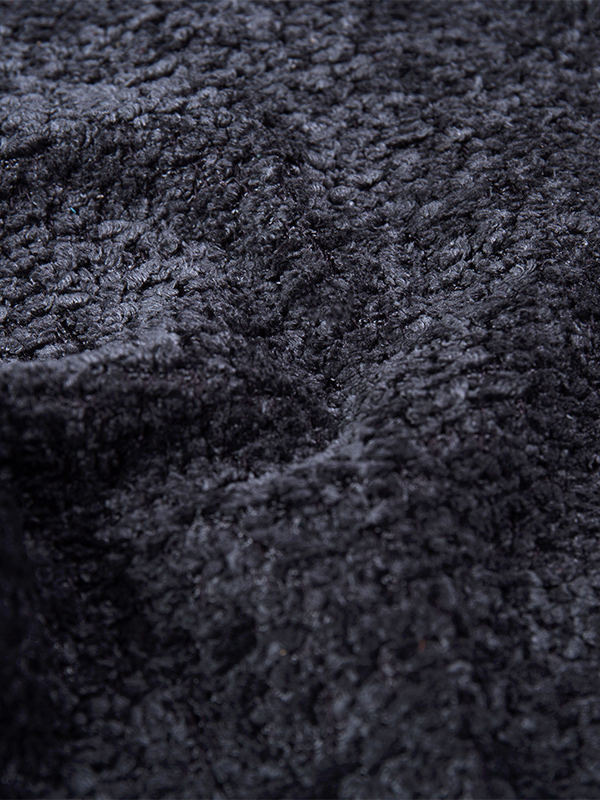
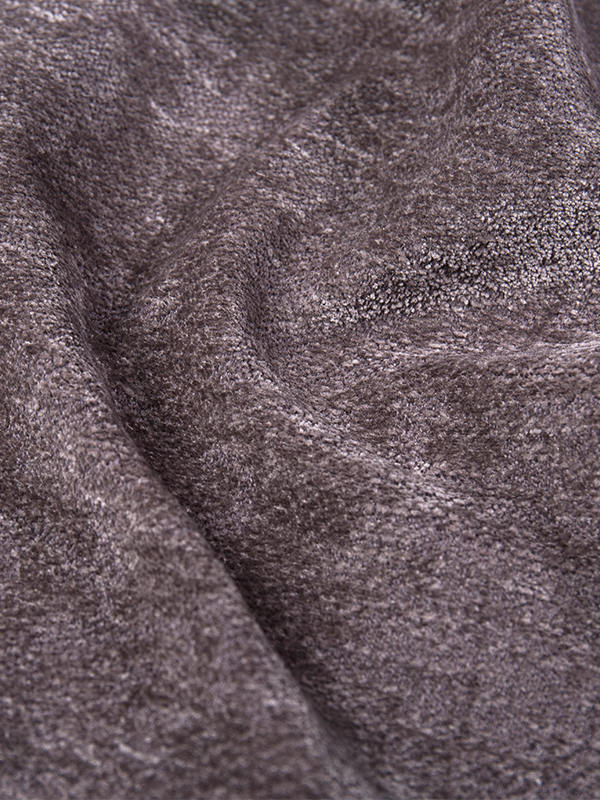
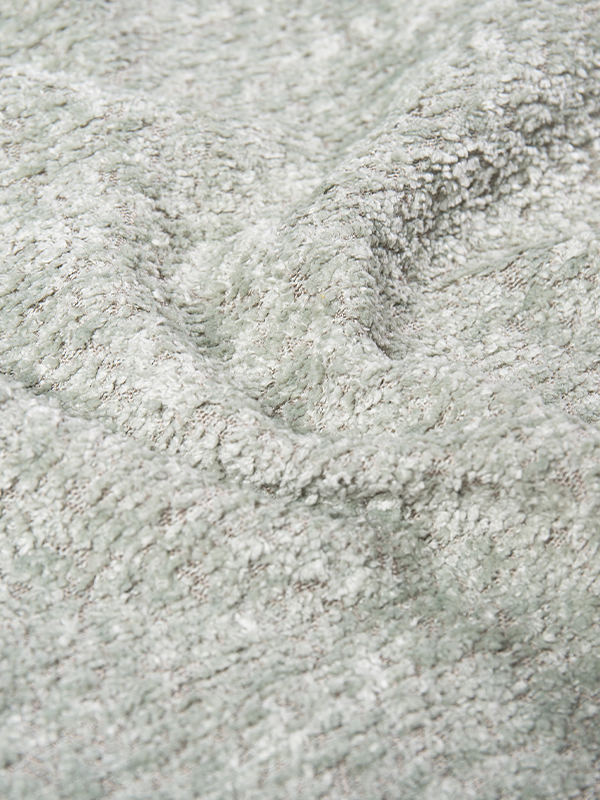
Maintaining soft furniture surfaces is often more complicated than it looks, especially with delicate textiles like Textured Chenille Upholstery Fabric used in modern sofas and armchairs. Many homeowners also choose Chenille Fabric For Couch because of its plush feel and rich visual depth, yet cleaning methods remain a frequent concern when stains, odors, or dust build up over time.
Steam cleaning is often seen as a fast solution, but chenille has a unique structure that reacts differently compared to standard woven fabrics.
1. Understanding Chenille Fabric Structure
Chenille is created using short yarns twisted between core threads, forming a raised, fuzzy surface. This gives it a soft velvet-like appearance but also makes it sensitive to moisture and heat.
Key fabric characteristics:
- Fiber composition: polyester, cotton, or blended yarns
- Surface pile height: 1.2–3.0 mm typical
- Density: 300–600 g/m² depending on grade
- Moisture absorption: moderate to high
- Surface sensitivity: prone to flattening under pressure
Steam exposure can temporarily relax fibers, but excessive heat or water penetration may cause matting or texture distortion.
2. Can Steam Cleaning Be Used?
Steam cleaning is not completely prohibited, but it requires strict control.
Technical evaluation:
- Safe steam temperature range: 80°C–110°C
- Distance from fabric: 10–20 cm recommended
- Exposure time per section: 3–6 seconds
- Moisture level: low saturation (“dry steam” mode preferred)
Research and cleaning practice show that light steam can help remove odors and surface dust without chemical detergents .
However, overexposure leads to:
- Fiber collapse
- Water ring marks
- Backing layer weakening
- Color dullness
Our company recommends controlled steam only for maintenance purposes, not deep stain removal.
3. Risks of Improper Steam Cleaning
Chenille reacts strongly to excessive moisture. Improper steam application can result in:
- Pile flattening due to heat compression
- Uneven drying patterns
- Shrinkage in rayon-based blends
- Adhesive weakening in bonded upholstery layers
Industry cleaning guidance consistently warns against heavy wet cleaning methods for chenille upholstery surfaces .
Steam systems designed for carpets should never be directly applied to chenille sofas.
4. Recommended Cleaning Method Steps
A balanced cleaning strategy works better than relying only on steam.
Practical maintenance process:
- Vacuum using soft brush attachment
- Remove surface dust weekly
- Spot clean using mild detergent solution
- Apply minimal moisture only on stained area
- Air dry in ventilated environment
- Restore pile using soft upholstery brush
This method helps preserve fiber structure and extends fabric lifespan.
5. Fabric Protection Strategy Used by Our Company
Our company integrates material protection concepts similar to industrial surface treatment processes. Chenille maintenance can be compared to controlled surface finishing in manufacturing—precision matters more than intensity.
Recommended protective measures:
- Fabric waterproof coating (light PU-based layer)
- Anti-dust nano spray treatment
- UV resistance additive protection
- Low-residue fabric conditioner application
These treatments reduce cleaning frequency and improve stain resistance.
6. Technical Comparison: Steam vs Dry Cleaning
| Method | Temperature | Water Usage | Fabric Risk | Suitability |
| Steam cleaning | Medium-high | Low-medium | Moderate | Light maintenance |
| Dry cleaning solvent | Low | None | Low | Deep cleaning |
| Hand spot cleaning | Low | Very low | Very low | Daily care |
Steam cleaning provides surface refreshment, but solvent-based or low-moisture methods remain safer for deep care scenarios.
7. Industrial Insight from Upholstery Manufacturing
From a production perspective, chenille durability depends heavily on fiber bonding strength and finishing treatment. Poorly finished fabrics are more likely to deform under heat exposure.
Key production parameters influencing cleaning behavior:
- Yarn twist tension: 800–1200 TPM
- Heat-setting temperature: 160°C–180°C
- Backing adhesive strength: ≥0.35 MPa
- Pile anchoring rate: >95% integrity required
Our company collaborates with textile processing partners to ensure upholstery materials maintain stability during both manufacturing and end-use cleaning conditions.
Steam Cleaning Best Practice Guidelines
Safe usage conditions include:
- Use handheld low-pressure steam unit
- Maintain continuous movement (no static steaming)
- Keep nozzle slightly above surface
- Avoid soaking same area repeatedly
- Finish with natural air drying only
Post-treatment care:
- Light brushing restores texture
- Avoid heavy sitting during drying
- Keep away from direct sunlight during recovery phase
Our company emphasizes precision cleaning approaches similar to industrial process control—balanced temperature, limited moisture, and structured maintenance cycles ensure fabric longevity and consistent appearance over time.