 English
 中文简体
中文简体 русский
 عربى
عربى Español
Many people researching upholstery materials focus on comfort and visual appeal, but pilling — the formation of small spheres of tangled fibres — is a practical concern that directly influences long-term appearance and user satisfaction. Whether evaluating polyester sofa fabric for a family room or considering stylish patterns offered by printing sofa fabrics, understanding how pilling occurs and how to mitigate it can help inform smarter upholstery choices.
What Causes Pilling on Upholstery Fabrics
Pilling happens when short or broken fibres on the surface of a textile become entangled due to friction during everyday use. This is especially common on high-contact areas like seating surfaces, armrests, and cushions where repeated rubbing occurs. Upholstery made from fibres that are loosely spun or loosely woven tends to be more prone to pilling because fibres are more likely to work loose and form pills under tension.
While synthetic fibres such as polyester are engineered for strength and shape retention, they can still pill depending on yarn quality, weave density, and surface treatments. Patterns created through printing sofa fabrics don’t directly cause pilling, but the way a fabric is finished after printing — such as surface coatings or heat setting — can influence fibre stability and performance under repeated friction.
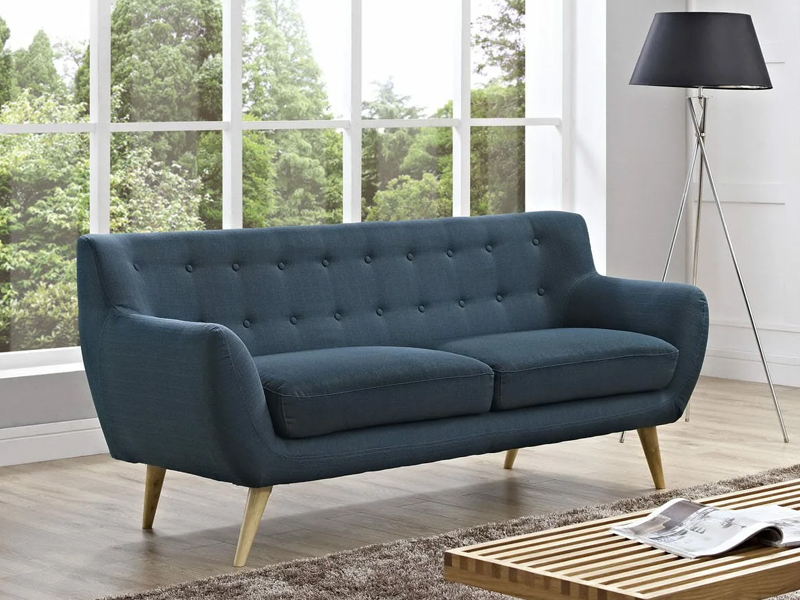
Why Polyester Upholstery May Pill
The synthetic nature of polyester provides many performance benefits, including good tensile strength and resistance to stretching, but it also has characteristics that can contribute to pilling:
Fibre length and twist: Shorter fibres and low twist yarns are more likely to loosen during use.
Weave structure: Looser weaves allow fibres to move more freely, increasing the chance of pill formation.
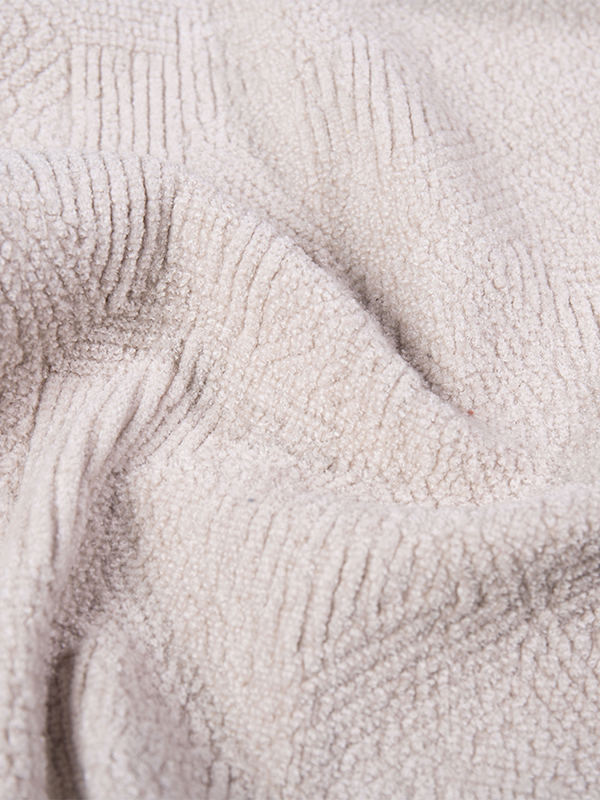
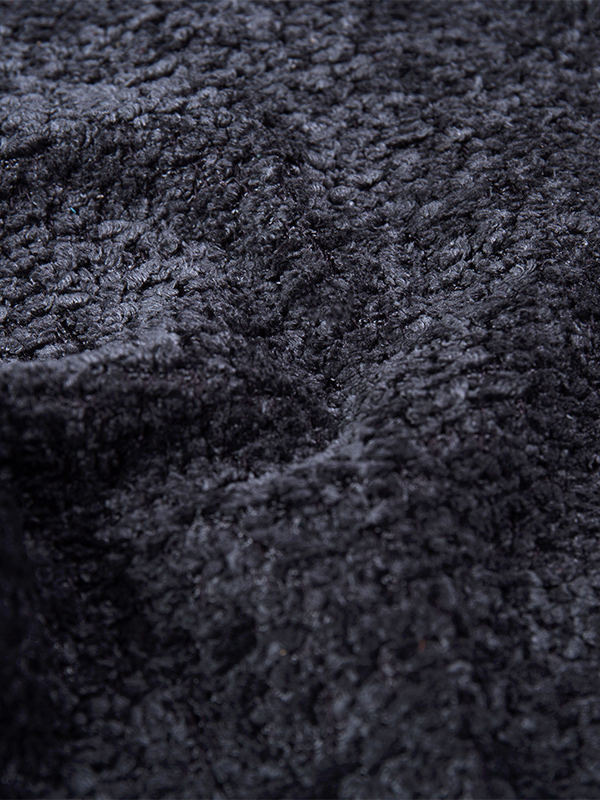
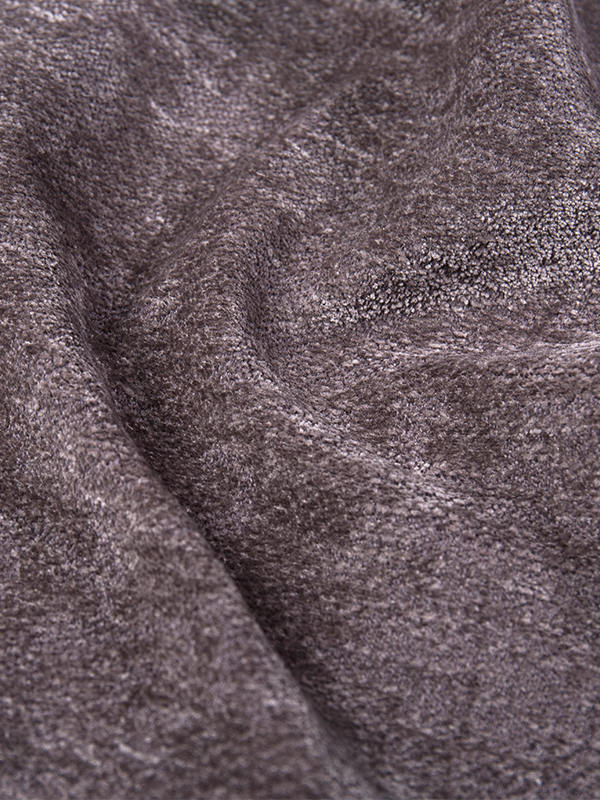
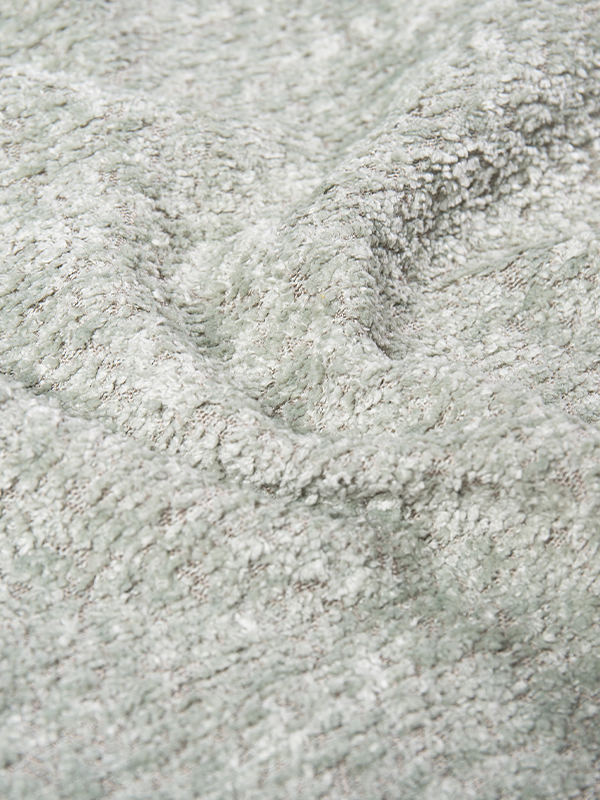
Surface texture: Sofas with thicker, plush surfaces or complex textured prints may hide pills initially, but pills can still accumulate over time.
A tightly woven polyester sofa fabric with a smooth surface generally resists pilling better than loosely woven or textured options, because fibres are held more securely in place.
Impact of Printing Processes on Pilling Resistance
Different printing methods used for printing sofa fabrics can affect the textile’s performance:
Digital printing: Applies ink directly to the fabric with minimal physical force, helping preserve fibre integrity and flexibility — a trait that supports better resistance to pilling over time.
Screen printing: Physical pressure and thicker ink deposits can change surface texture and, in some cases, create micro-stress points on fibres that may contribute to pill formation if the underlying yarn isn’t tightly secure.
Choosing the appropriate printing technology and combining it with high-quality base fabric construction is key to balancing visual appeal with long-term surface performance.
Ways to Improve Resistance to Pilling
Several strategies help reduce the likelihood of pilling in upholstery:
Choose fabrics with high weave density: Fabrics with high warp and weft counts hold fibres tightly, lowering the chance that fibres will work loose and form pills.
Shorter fibres aren’t always better: Polyester blends with a balanced fibre length and proper twisting reduce the number of loose fibre ends.
Regular maintenance: Vacuuming and gentle brushing with a soft tool remove loose fibres before they entangle.
Anti-pill finishes: Some upholstery textiles feature surface treatments that bind fibres together more tightly, helping them resist pilling during regular use.
While no fabric is entirely immune to the effects of friction and wear, these approaches make a noticeable difference in how upholstery ages visually.
Real-World Considerations from User Experiences
Community discussions about sofa fabrics often reflect mixed experiences that illustrate pilling behaviour in everyday settings:
Some users report that performance fabrics, even those with polyester content, can feel less soft and pill more noticeably under certain conditions.
Experiences shared on cleaning forums show that regular use and maintenance play a big role in whether pills develop noticeably over time.
These insights emphasize that both the fabric structure and lifestyle factors — like how often a sofa is used and how it’s cleaned — affect the propensity for pilling.
Practical Tips for Upholstery Owners
For those who already have sofas upholstered in polyester or printed fabrics, here are some maintenance tips to manage pilling:
Vacuum regularly: Removing loose fibres prevents them from tangling and forming pills.
Use gentle fabric shavers or lint brushes: These tools can safely remove pills without damaging the underlying fabric surface.
Rotate cushions: Changing use patterns distributes wear more evenly across different areas.
Proper care not only minimizes pilling but also helps preserve the overall look and feel of your upholstery — whether it’s a classic solid colour or a vibrant printed design.
Balancing Style and Function
Pilling is a common concern among upholstery buyers and users, especially when choosing materials that combine attractive patterns with performance. By understanding how printed designs interact with fabric structure and maintenance practices, you can better assess upholstery options and set accurate expectations for long-term use. Choosing polyester sofa fabric with good construction and regular care ensures that your furniture maintains both comfort and beauty over years of everyday use.