 English
 中文简体
中文简体 русский
 عربى
عربى Español
Patterns and colors are often the primary things people notice on Print Upholstery Fabric, but many furniture owners and DIY crafters have asked why some printed textiles seem to lose vibrancy over time. This isn't just an aesthetic issue — it affects how well your upholstered furniture keeps its look and feel in everyday life. Meanwhile the structure and stability of fabrics, including options like Polyester Warp Knit Fabric, also play important roles in performance, durability, and maintenance that are worth understanding.
Outdoor sunlight, regular cleaning, and even the way fabric is printed can influence how long color holds up on upholstery fabrics. Online discussions and sewing community feedback show that dyed or printed upholstery textiles can fade or change appearance when subjected to washing or heavy light exposure, especially compared with garment fabrics designed to be washed often. In garment sewing forums, users trying to repurpose upholstery materials for bags or clothing noted that upholstery dyes are often not designed for repeated laundering, so fading can occur more quickly than expected.
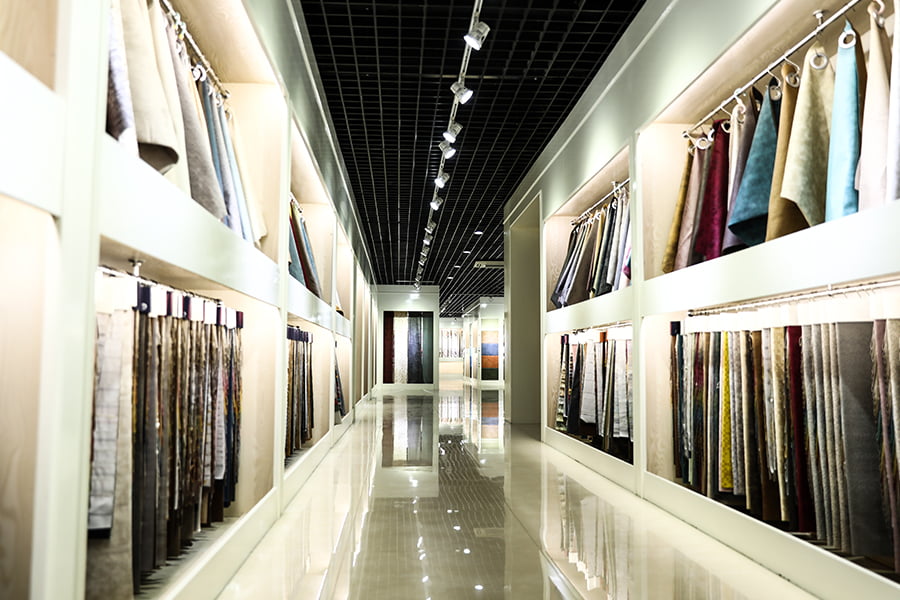
How Print Methods Affect Color Lifespan
There are multiple ways print designs get applied to upholstery textiles:
Screen printing: Pigments sit on top of the fabric surface, which can give bold colors but may fade faster if not properly fixed.
Digital printing: Advances here can offer better detail and softer feel, but durability still varies widely.
Heat transfer or sublimation: Often better on synthetic substrates, it can reduce dye loss but may still be affected by sunlight or abrasion.
Fabric finishing and backing treatments, such as stabilizers or knit backing, help with shape retention and resilience; but colorfastness remains a separate challenge. Quality backing layers like knit or adhesive laminations help reduce stretch and sagging that can make fades and wear more noticeable.
What Polyester Warp Knit Fabric Brings to the Table
Polyester Warp Knit Fabric is a common base or backing used in various textile applications, including upholstery backing and stabilizer layers. Its structure — continuous yarns knitted in a longitudinal (warp) direction — gives it good dimensional stability and resistance to distortion. Polyester filaments themselves are inherently resilient, which helps fabrics maintain shape even with repeated use.
Because polyester fibers hold dye differently than natural fibers, many printed polyester-backed fabrics will show better resistance to fading from wash cycles or friction. That said, the quality of the print process and finishing still determines how durable the colors remain in real-world environments.
Common Causes of Fading and What Users Can Do
Based on user experiences and community conversations, here are some frequent reasons upholstery prints fade:
Sunlight exposure: UV rays can break down dyes over time; fabrics near bright windows tend to lose intensity faster.
Cleaning methods: Some upholstery fabrics aren’t intended for frequent washing, and water or heat can affect color retention.
Abrasion: Everyday use — sitting, pets, moving cushions — creates surface wear, exposing fibers differently and softening prints.
Practical care tips include using fabric-safe UV protective sprays, choosing appropriate cleaning techniques recommended for your fabric type, and avoiding excessive direct sun whenever possible.
At Haining Huayi Warp Knitting Co., Ltd., we engage daily with textile performance considerations and client questions like these, sharing insights on fabric durability and what to consider when choosing materials for specific applications.