 English
 中文简体
中文简体 русский
 عربى
عربى Español
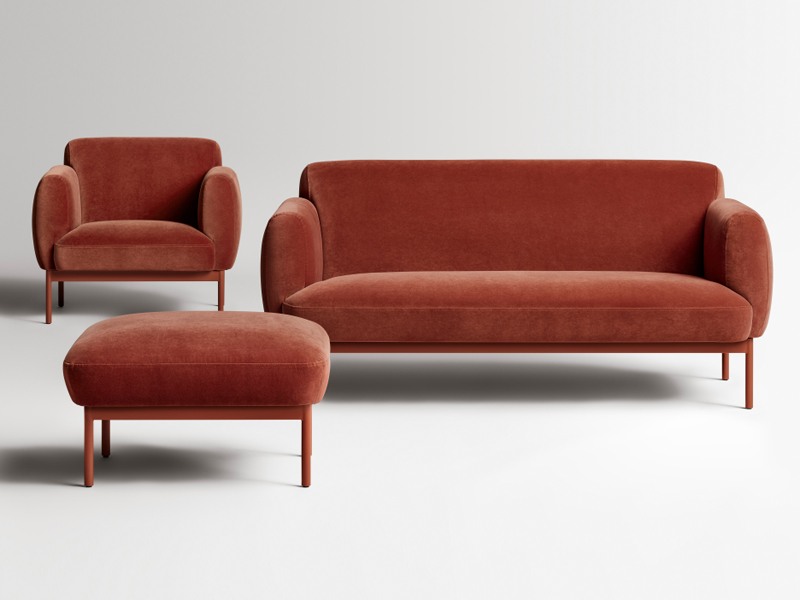
Velvet sofas have become a popular choice for many living rooms, offering a rich texture and visual appeal that few other fabrics can match. Yet, as more homeowners bring sofa velvet cloth pieces into their homes, real-world feedback about durability, marks, and wear patterns has become a frequent topic of discussion among furniture enthusiasts and cleaning communities.
At a time when many furniture buyers source fabrics from a reliable Sofa Fabric Factory or partner with suppliers like Haining Huayi Warp Knitting Co., Ltd., it’s essential to understand how velvet performs in everyday situations — especially in high-use zones such as seating areas with pets, children, or frequent guests.
The Nature of Velvet: A Closer Look at Wear Patterns
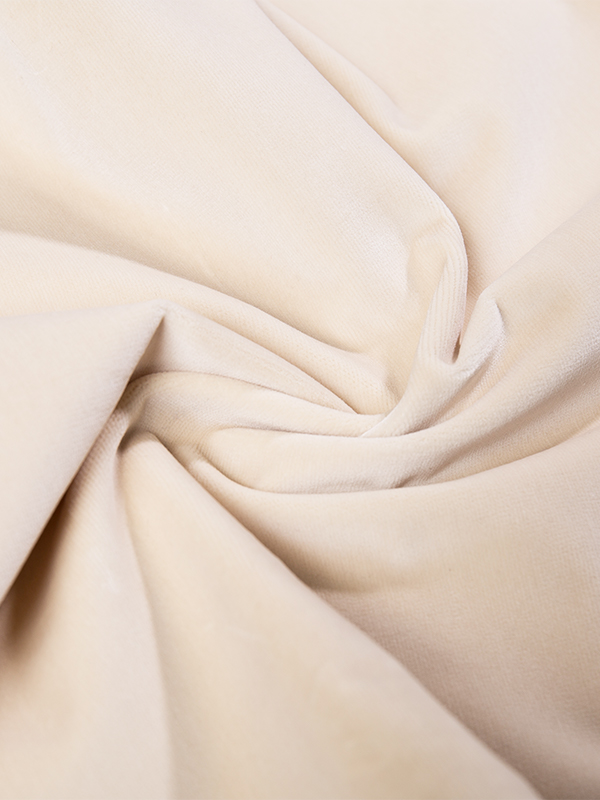
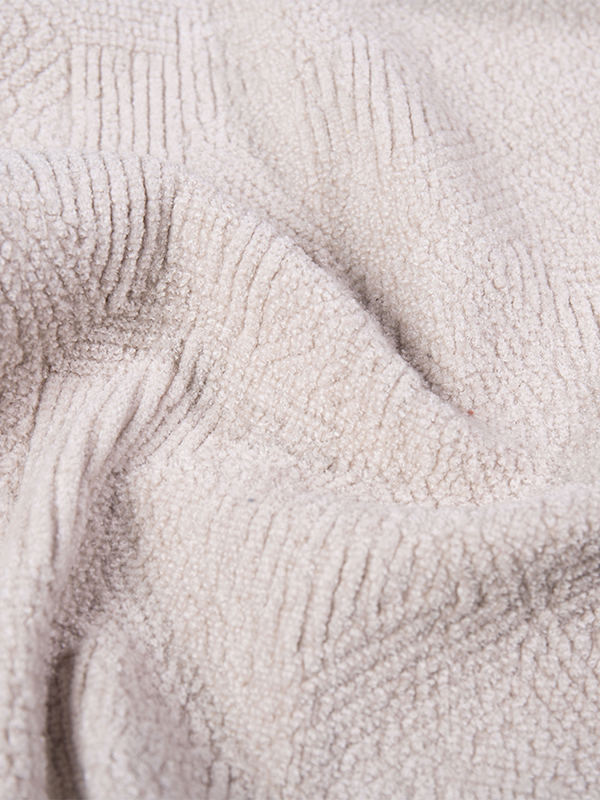
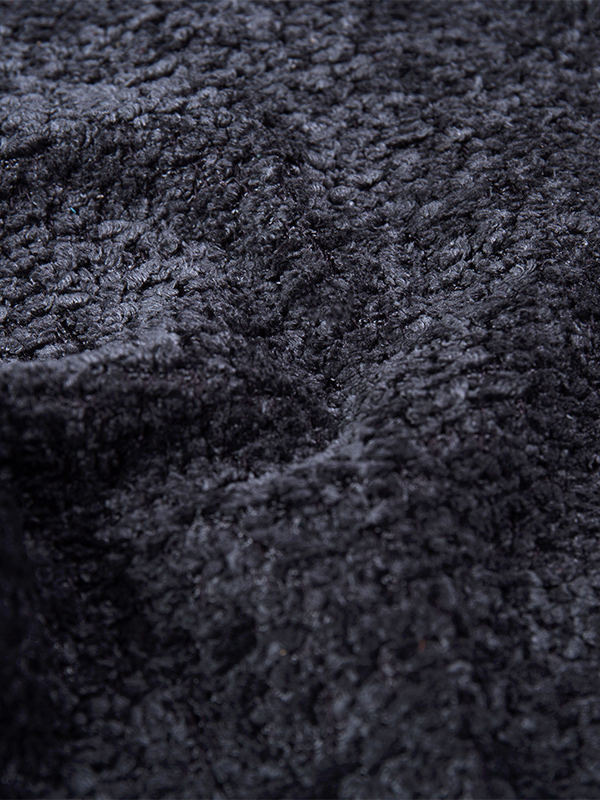
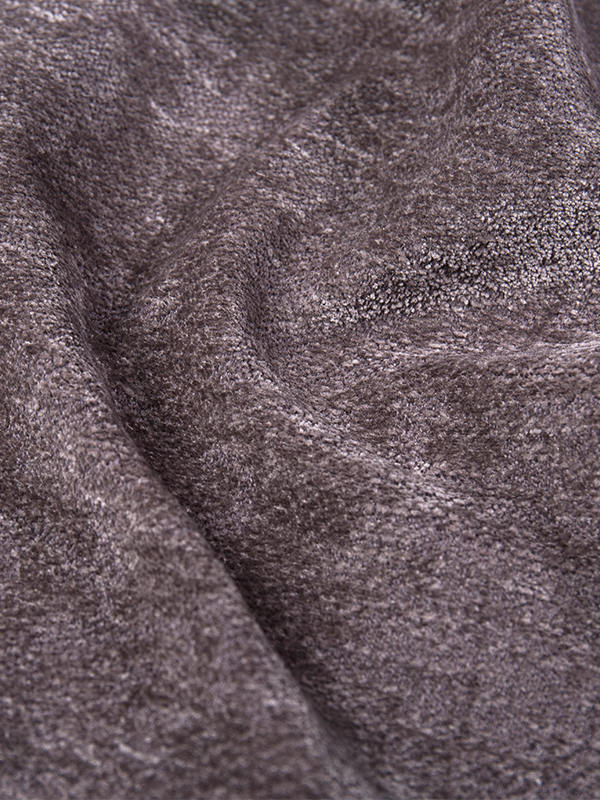
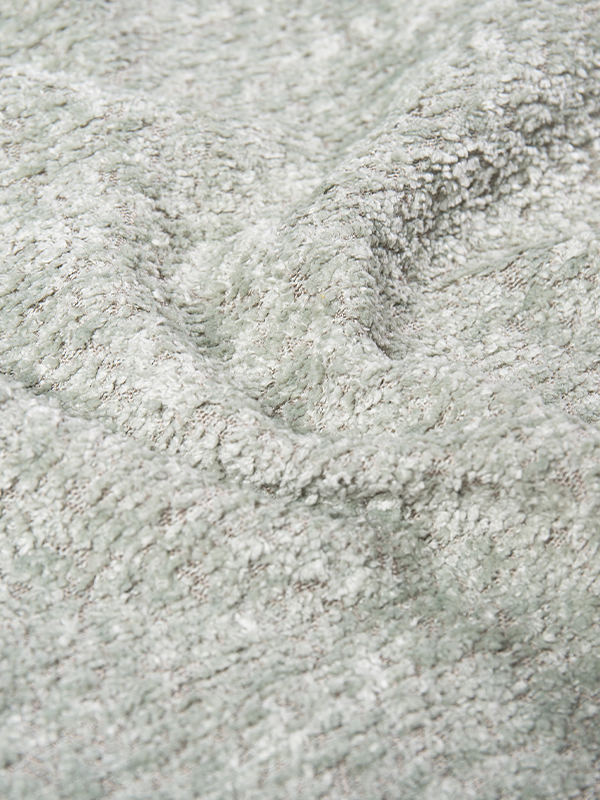
Velvet’s unique structure — a dense pile of fibers standing upright — gives it its signature softness and depth. However, this same structure also means velvet can show “pressure marks” or shifts in texture where people sit or lean. Unlike flat‑woven fabrics, velvet doesn’t bury dirt easily; instead, dust and debris sit on the pile’s surface, making them more visible and often easier to clean with regular maintenance.
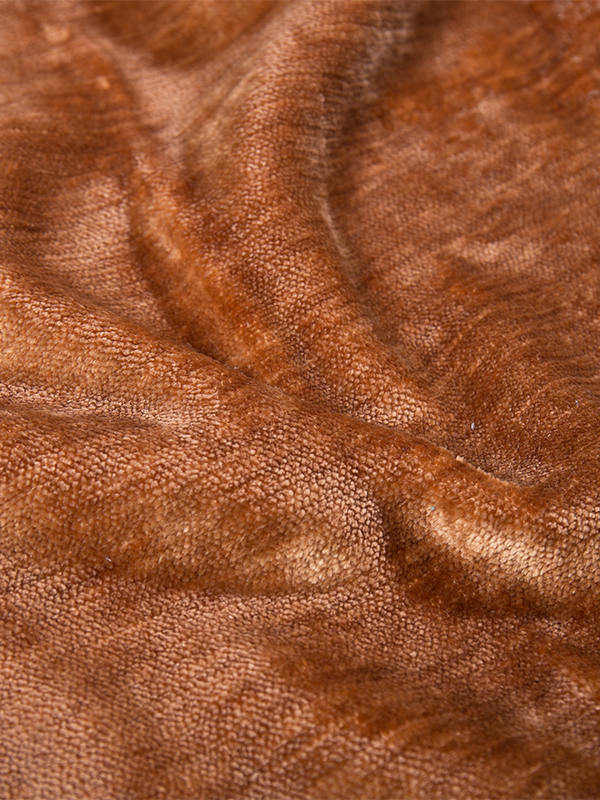
In busy homes, everyday use naturally compresses these fibers, which may appear as slightly flattened or darker areas in high‑contact zones such as couch cushions or armrests. This is not necessarily damage, but rather a visual indication of how the pile has shifted. The good news is that many of these impressions gently reposition when the fabric is brushed or steamed along the pile direction.
Pet Interactions and Velvet: What Owners Report
Velvet owners often share mixed experiences related to pets’ interactions. Some report that pet hair and dust cling to the fabric more than on smoother materials, requiring frequent vacuuming or brushing to keep the sofa looking tidy. It’s common to see anecdotes about using vacuum cleaners and soft brushes to gently lift pet fur without disturbing the pile.
In other accounts, pets’ light scratching doesn’t always result in permanent damage — especially with modern performance velvets designed for heavier use — though noticeable marks may remain until the pile is fluffed back up. Some sofa owners even note that velvet can be surprisingly resilient when pets leap onto it, compared to looser weave fabrics that snag easily.
However, many community discussions emphasize that velvet can attract visible impressions from pets’ paws or claws. These impressions can sometimes appear as temporary crushing or direction changes in the pile. Owners find that a gentle brush or hand‑held steamer helps return the texture to a smoother state.
Everyday Marks: Why They Happen and What to Do
It’s common for velvet to develop light surface marks that don’t necessarily indicate fabric damage. For example, when someone sits or places an object on the sofa, the velvet pile may tilt slightly, creating shading differences that look like marks. This visual effect is a function of the fabric’s pile direction, rather than a stain or permanent flaw.
Here are simple steps many owners recommend for addressing common marks:
Brushing: Use a soft brush to follow the natural pile direction. This can help even out shading and restore a uniform look.
Gentle Steaming: For deeper impression marks, lightly steaming the surface can help fibers stand up again once dry.
Vacuuming Carefully: Regular vacuuming with a soft upholstery attachment lifts dust and prevents buildup that accentuates marks.
Another reported tip is to alternate seating spots if possible. By rotating usage patterns, no single cushion area remains consistently compressed, helping velvet maintain a more even surface over time.
Design Choices and Household Usage Patterns
When considering velvet sofa fabric for daily use, many people weigh how the material’s qualities fit their lifestyle. Velvet offers a softer feel and elegant texture, but it may show use differently from flat weave or tighter knit fabrics. Some homes with children or pets require more frequent light maintenance, while others find regular vacuuming and occasional brushing sufficiently manages visible wear.
Importantly, choosing the right type of velvet and pile density at the outset can make a difference in how quickly wear patterns appear. Fabrics with slightly shorter, denser piles may show fewer impressions over time than longer, looser finishes. Talking with your fabric supplier or Sofa Fabric Factory partner about your household needs can help tailor the right option for your space.
Balancing Softness and Practicality
Velvet owners often express that understanding the fabric’s characteristics initialhand makes living with it easier. While velvet velvet can show surface impressions and attract dust more easily than some materials, many households find these effects manageable with simple, periodic care — particularly if they appreciate the textured aesthetic and warmth that velvet brings to a room.
For homes where frequent cleaning or pets are factors, selecting a performance‑treated velvet option and establishing a gentle maintenance routine helps sustain the sofa’s appearance and lifespan.
Choosing velvet for your sofa fabric is both a style choice and a commitment to gentle care. By understanding how velvet responds to everyday use — especially wear patterns and surface marks — you can enjoy its beauty without being surprised by occasional impressions. With routine brushing, vacuuming, and mindful use, velvet furniture continues to offer comfort and visual appeal in a lived‑in home. Velvet’s unique characteristics are part of what makes it sought after, and knowing how to care for it makes all the difference in daily enjoyment.