 English
 中文简体
中文简体 русский
 عربى
عربى Español
For many furniture buyers, the visual appeal of upholstery plays a big role in the decision-making process. People often ask whether Bonding Sofa Fabric can realistically look like genuine leather—especially when compared with premium Custom Sofa Fabric options that offer a wide range of textures and finishes. At Haining Huayi Warp Knitting Co., Ltd., we’ve noticed this aesthetic question come up frequently, and we’d like to explore what bonding fabrics can and cannot deliver in terms of appearance.
To understand how closely bonded materials mimic leather, it helps to look at how they’re made and what users commonly experience in everyday use and style concerns.
What Is Bonding Sofa Fabric and How Does It Appear?
Bonding Sofa Fabric is produced by combining shredded leather fibers with polyurethane binders and then coating the composite with a thin top layer to create a surface that resembles leather. This surface is machine-embossed to mimic grain textures, giving an initially smooth and uniform finish that many consumers find visually appealing.
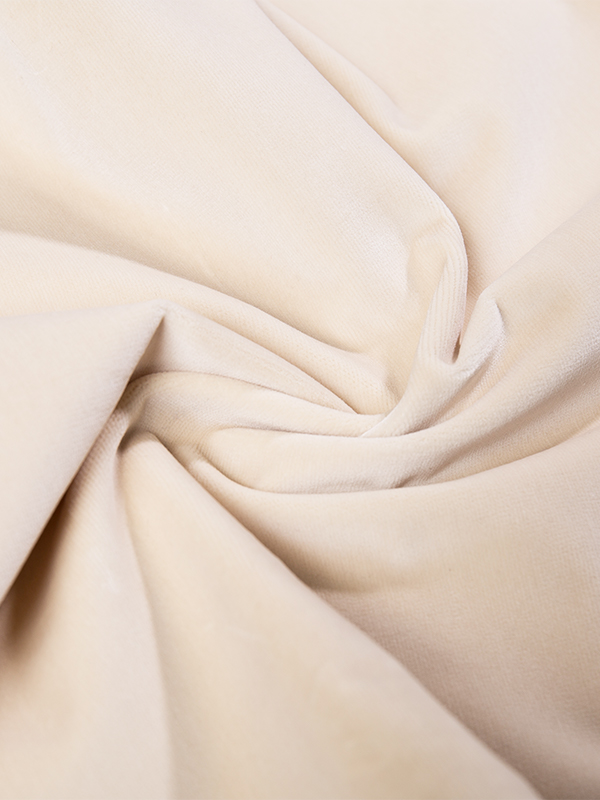
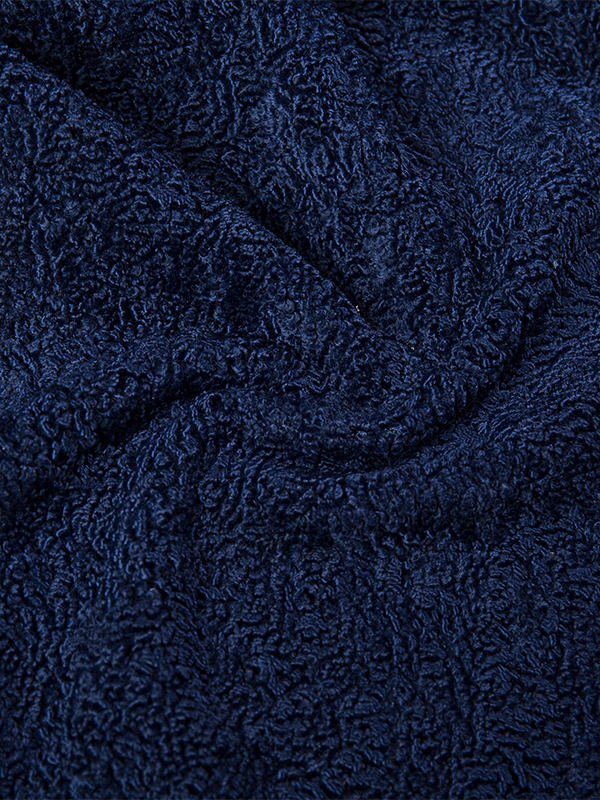
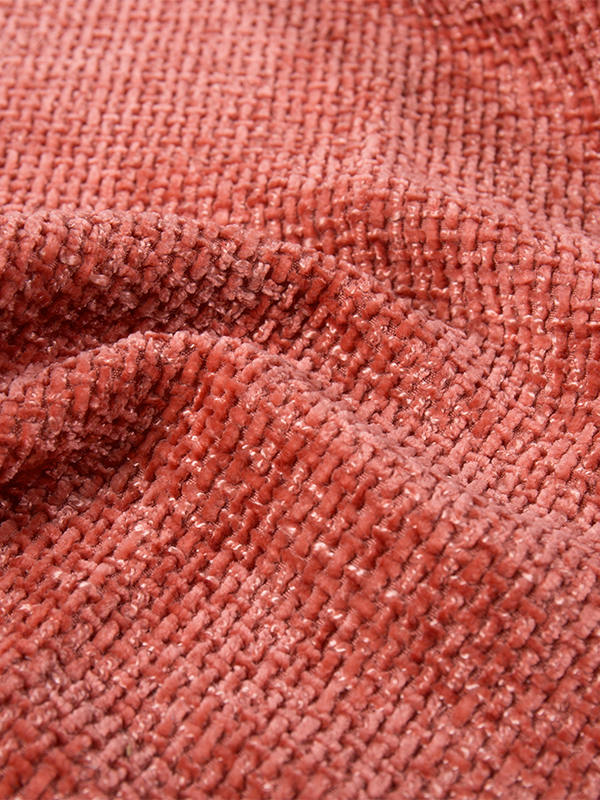
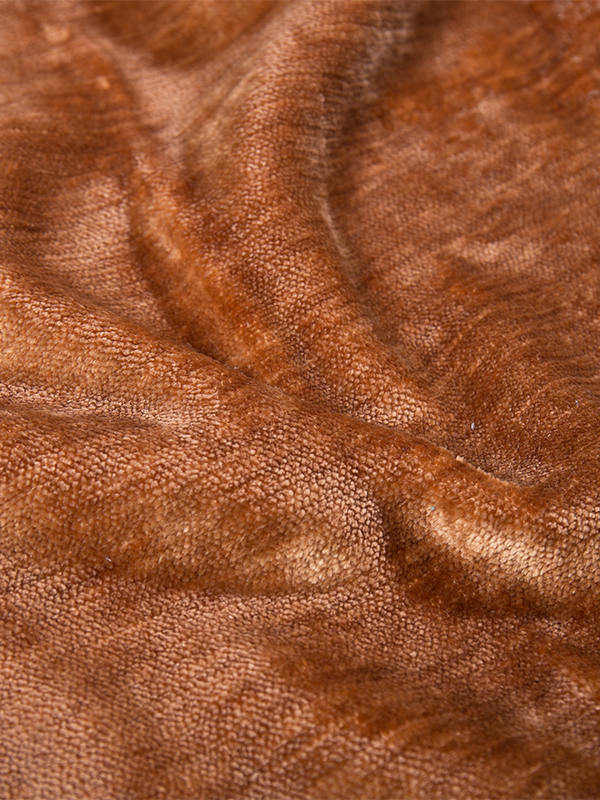
In contrast, Custom Sofa Fabric can include woven textiles, performance weaves, and engineered upholstery fabrics that do not aim for a leather look at all, but instead provide rich texture, color variety, or tailored surface effects for different design objectives.
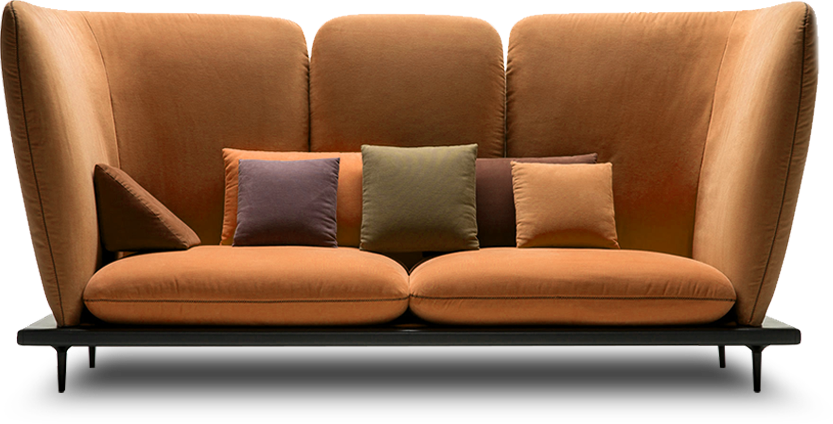
Initial Aesthetics vs. Long-Term Visual Integrity
It’s common for bonded materials to appear convincingly leather-like at initial glance, especially under showroom lighting. The uniform grain pattern and consistent colors are part of what makes them attractive to budget-conscious shoppers.
However, bonded sofa surfaces are constructed with a synthetic binding layer that lacks the natural grain depth and variability you’d see in animal hides. As a result:
The material can look overly uniform or “flat” compared to genuine leather with its subtle variations.
The synthetic topcoat often gives a slight sheen that some people describe as “plasticky.”
These visual traits mean that while Bonding Sofa Fabric can resemble leather initially, many users eventually notice differences in texture and quality, especially after everyday use.
Common User Concerns About Bonded Fabric Appearance
Many buyers report that the initial leather-like appearance doesn’t last indefinitely. Over time, bonded surfaces are prone to issues such as:
Cracking or peeling of the top layer, especially in high-traffic areas, which reveals the underlying backing material and alters the look significantly.
Fading or uneven color loss, particularly if exposed to sunlight or friction.
These changes make the sofa look “worn” much sooner than genuine leather or high-quality upholstery fabrics would. While a new bonded fabric sofa might impress in the showroom, regular use—sitting, leaning, moving—tends to highlight its limitations over months and years.
Comparing to Genuine Leather Appearance
Many consumers ask whether bonded materials can ever truly fool the eye into thinking they are genuine leather. The short answer is “it depends on expectations.” On a surface level, bonded materials with well-embossed grains and neat finishes can look surprisingly close to leather in photos or from a distance.
However, there are some tell-tale differences:
Lack of depth in grain texture: Genuine leather has natural, irregular patterns that vary across the hide. Bonded materials are machine-embossed and often appear too even.
Surface feel: Bonded fabrics tend to feel more like coated synthetic materials rather than the supple, breathable surface of real leather.
As a result, while a bonded sofa can initially satisfy aesthetic goals, it rarely sustains the same richness and visual character that genuine leather or high-end custom fabrics offer over time.
Practical Design Tips for Choosing Upholstery Look
If your priority is a leather-like appearance with better long-term aesthetics, consider these planning points:
Request large fabric samples and examine them under your room’s lighting before making a decision.
Think about whether the sofa will get daily use, which accelerates surface wear on bonded materials.
Pair bonded upholstery with cushioning or accent textiles that complement the look, softening transitions and blending textures.
Custom Sofa Fabric options—ranging from performance weaves to matte-finish synthetics—can provide more visual and tactile depth without attempting to mimic leather at all. These fabrics are sometimes more satisfying for long-term aesthetics because they are designed with durability and texture in mind.
At Haining Huayi Warp Knitting Co., Ltd., we work with customers to help them understand these differences so they can choose fabrics that meet both their visual design goals and real-world performance needs.