 English
 中文简体
中文简体 русский
 عربى
عربى Español
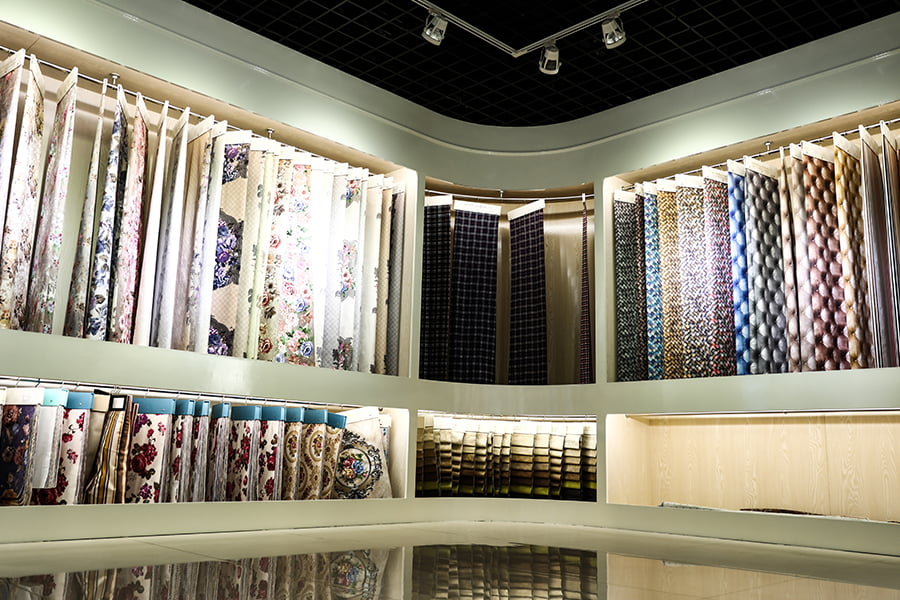
Many makers and upholsterers know that handling textile materials well before cutting can make or break a project. Users who work frequently with Print Upholstery Fabric often mention that the fabric edges tend to curl, ripple, or distort when they’re trying to cut patterns for furniture covers or decorative pieces. Similarly, those handling Polyester Warp Knit Fabric for custom covers or heavy-duty applications also find the knitting structure can make a clean cut more challenging than woven alternatives. Both scenarios spark active discussions on sewing and upholstery forums, where contributors share practical tips and better approaches to avoid frustration during cutting and finishing.
Cutting textile panels perfectly requires attention to both the fabric’s nature and the tools you use. Because knit-based materials like warp knits are held together by interlocking loops, freshly cut edges will naturally curl or roll inwards — a characteristic seen even in lighter knit fabrics such as jersey or tricot. The edge behavior is not a defect, but a structural trait that comes from the way loops relax when they’re freed from the rest of the fabric.
Why Edges Curl and How It Affects Cutting
Understanding why curling happens makes it easier to reduce its impact:
Knitted vs woven structure: Knit fabrics including Polyester Warp Knit Fabric have loops that pull unevenly at the cut edge, causing them to curl. Woven upholstery fabrics don’t curl as dramatically, but when they’re printed and cut, edges may still lift or deform if tension isn’t released primary.
Stretch and tension imbalance: Edges may roll toward the face or back side depending on knit loop distribution. This is especially visible on single knit styles, where one side carries more loop tension.
Handling before cutting: Stretching or lifting the fabric while cutting can amplify curl, making straight lines and seam allowances harder to control.
Tools and Techniques That Help
Experienced sewists and upholsterers often recommend several simple adjustments to help manage fabric curl and improve cutting quality:
Use sharp cutting tools: Whether working by hand or machine, a fresh blade reduces drag and prevents distortion at the cut edge. Dull blades pull fibers, increasing curling and unevenness.
Support and stabilise the fabric: Place weights, pattern weights, or use a cutting mat to keep the fabric flat and reduce movement while cutting.
Edge pinning: Pinning the area before cutting or sewing helps hold sections steady, reducing undesirable roll-up.
Pre-cut Stabilizers: Light spray adhesives or temporary stabilisers can help knit edges lie flatter just long enough to make accurate cuts.
People in sewing communities also frequently mention household treatments that can offer short-term edge control, such as very light starch or ironing with interfacing applied near critical cut lines — though results vary depending on the fiber content and final application.
Special Considerations for Print Upholstery Fabric
When printing graphics or patterns onto upholstery textiles, an added wrinkle (literally) is that pre-printed surfaces often have different tension or coating behavior compared to plain fabric. Curling edges may also be accentuated when the printed side and backing layers differ in their thermal or mechanical response. This can make precision cutting even more important because slight distortions will show up in the final seams or pattern matches.
Because many upholstery patterns require precise alignment — especially if there’s a repeating print — managing edge behavior before and during cutting becomes a core part of achieving professional results.
At Haining Huayi Warp Knitting Co., Ltd., we meet many professionals and hobbyists who overcome edge curling and cutting challenges by combining material knowledge with proper preparation steps, ultimately reducing waste and improving final product quality.